
Analysis: Somaliland President’s Historic Israel Visit Reshapes Horn of Africa Geopolitics, Draws Hero’s Welcome

0
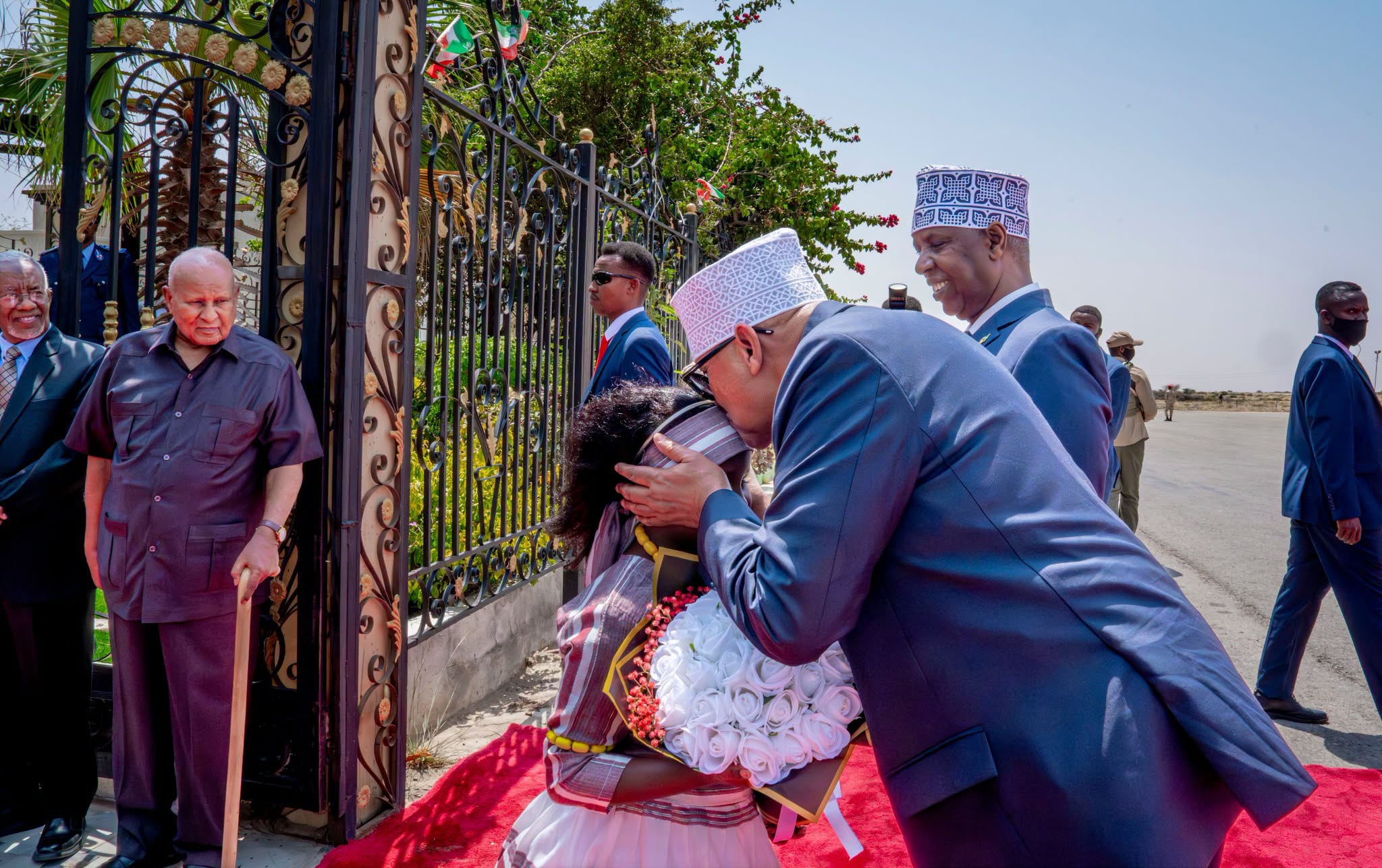
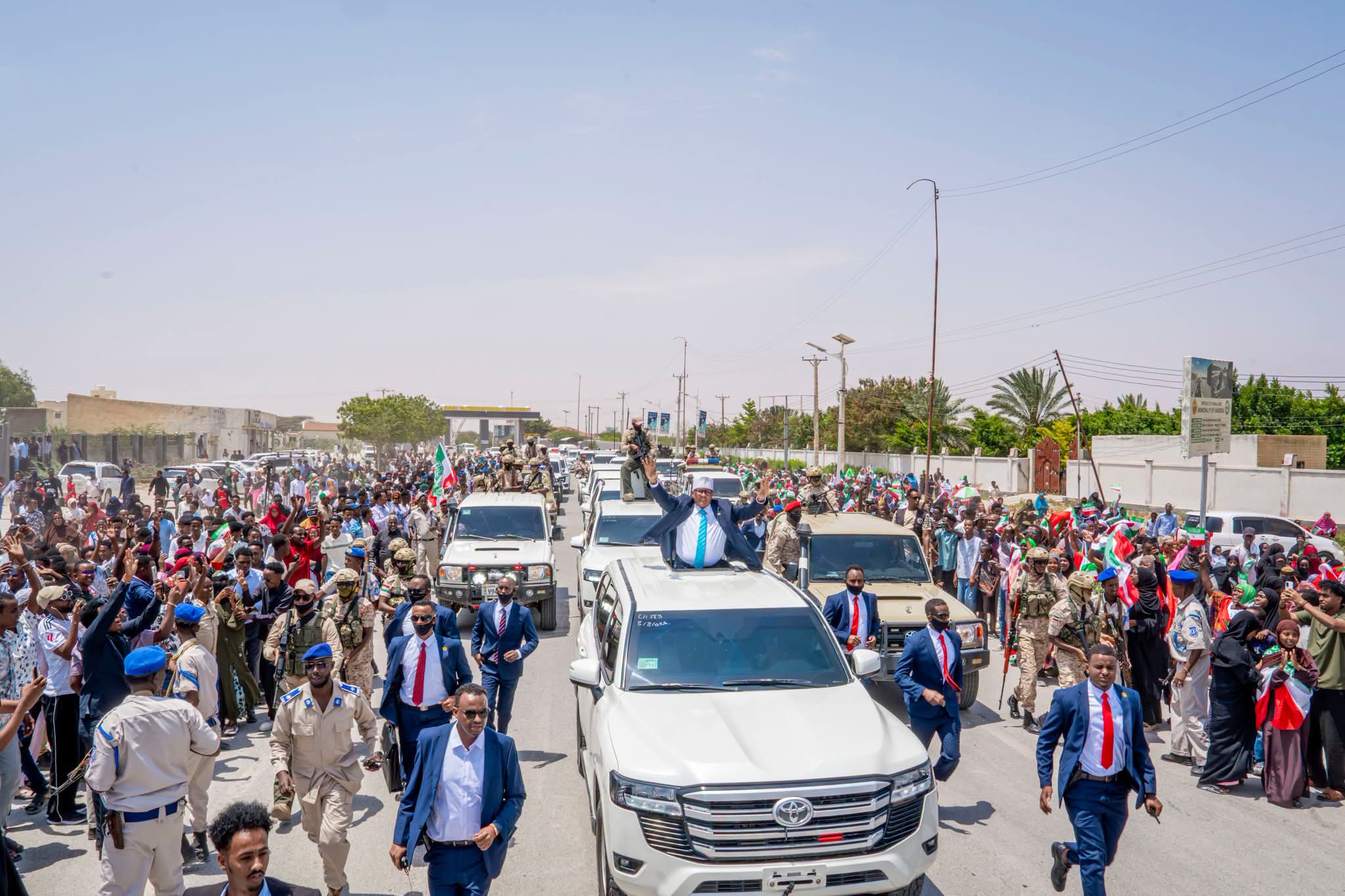
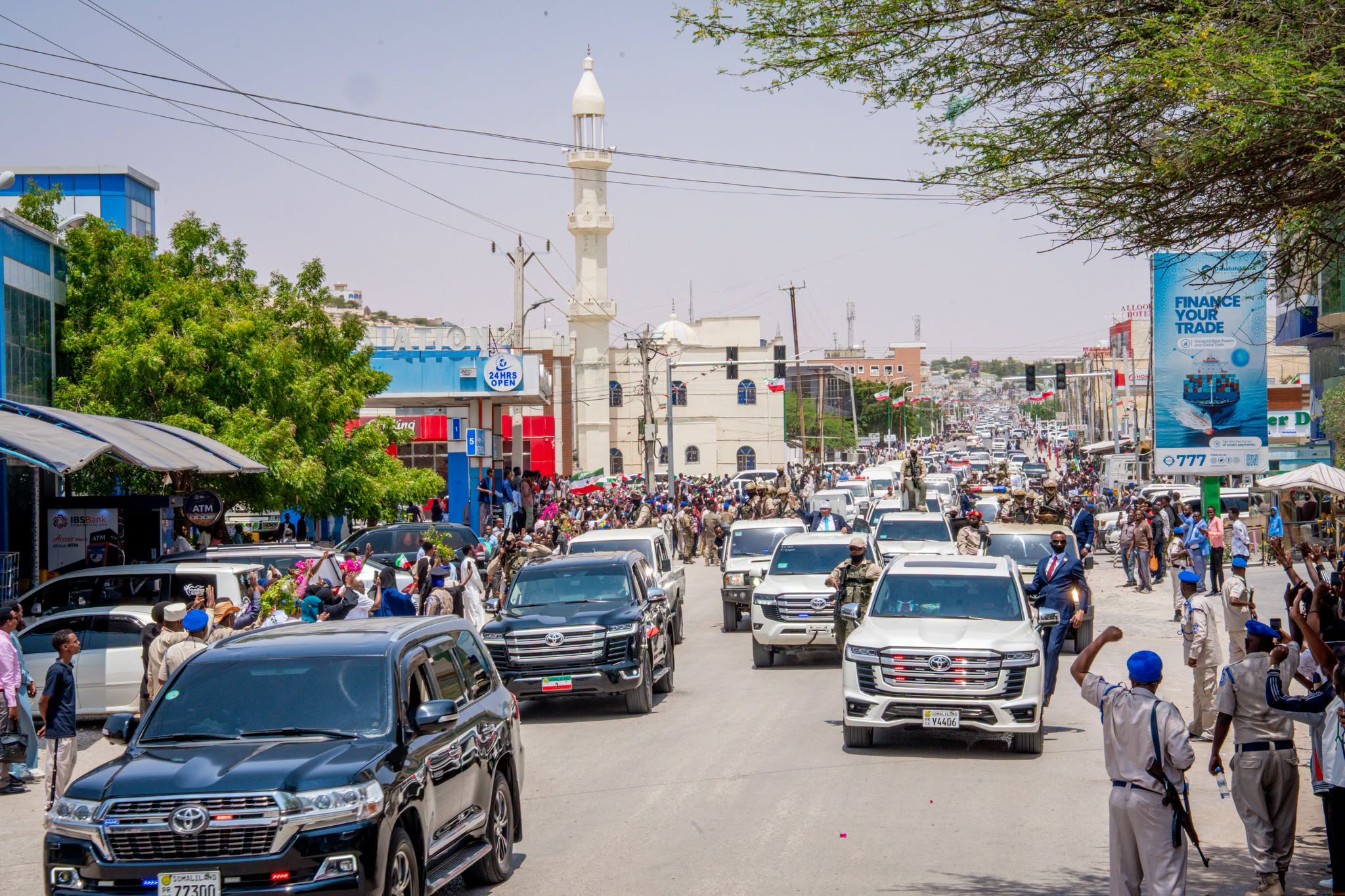
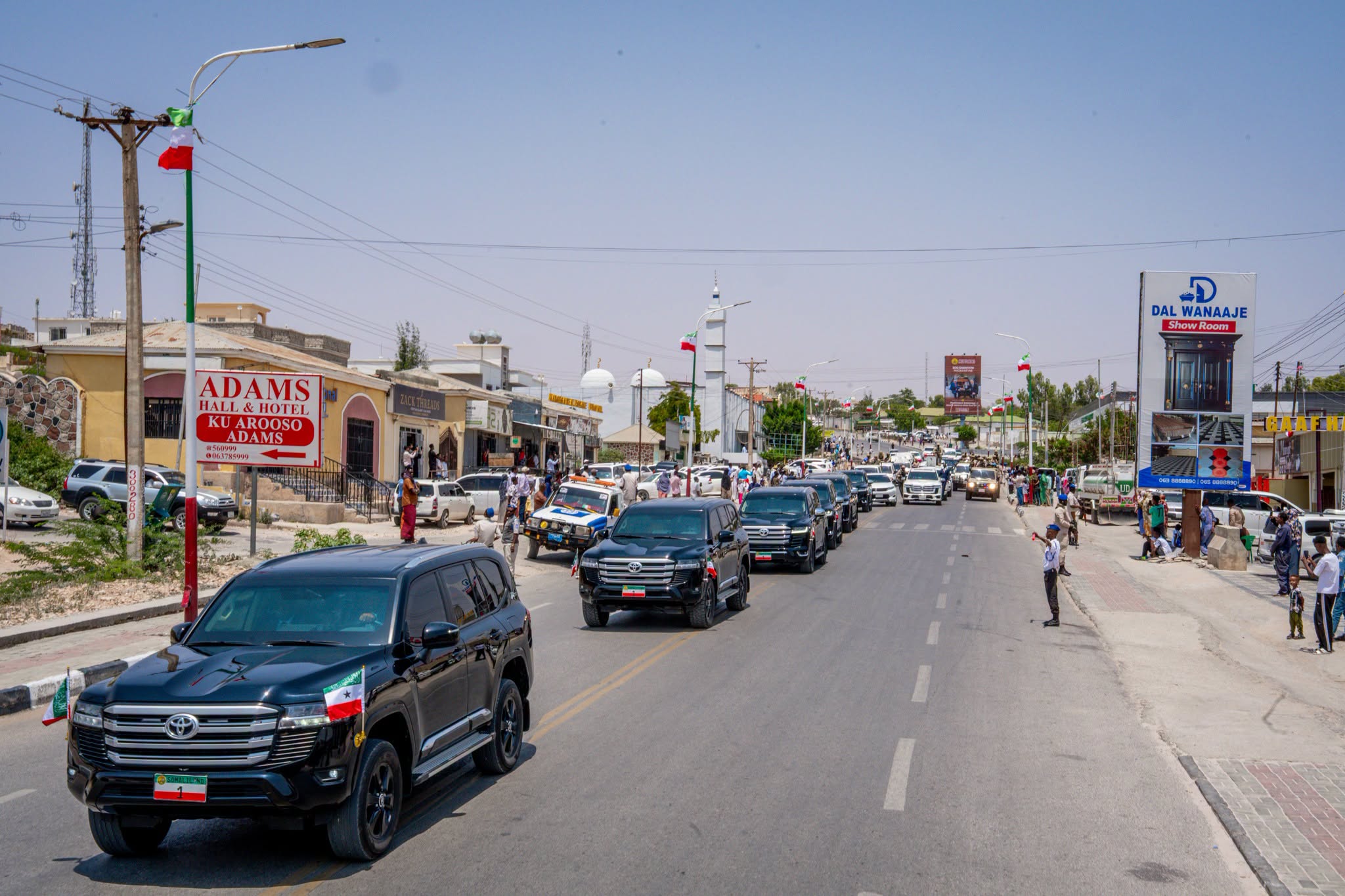
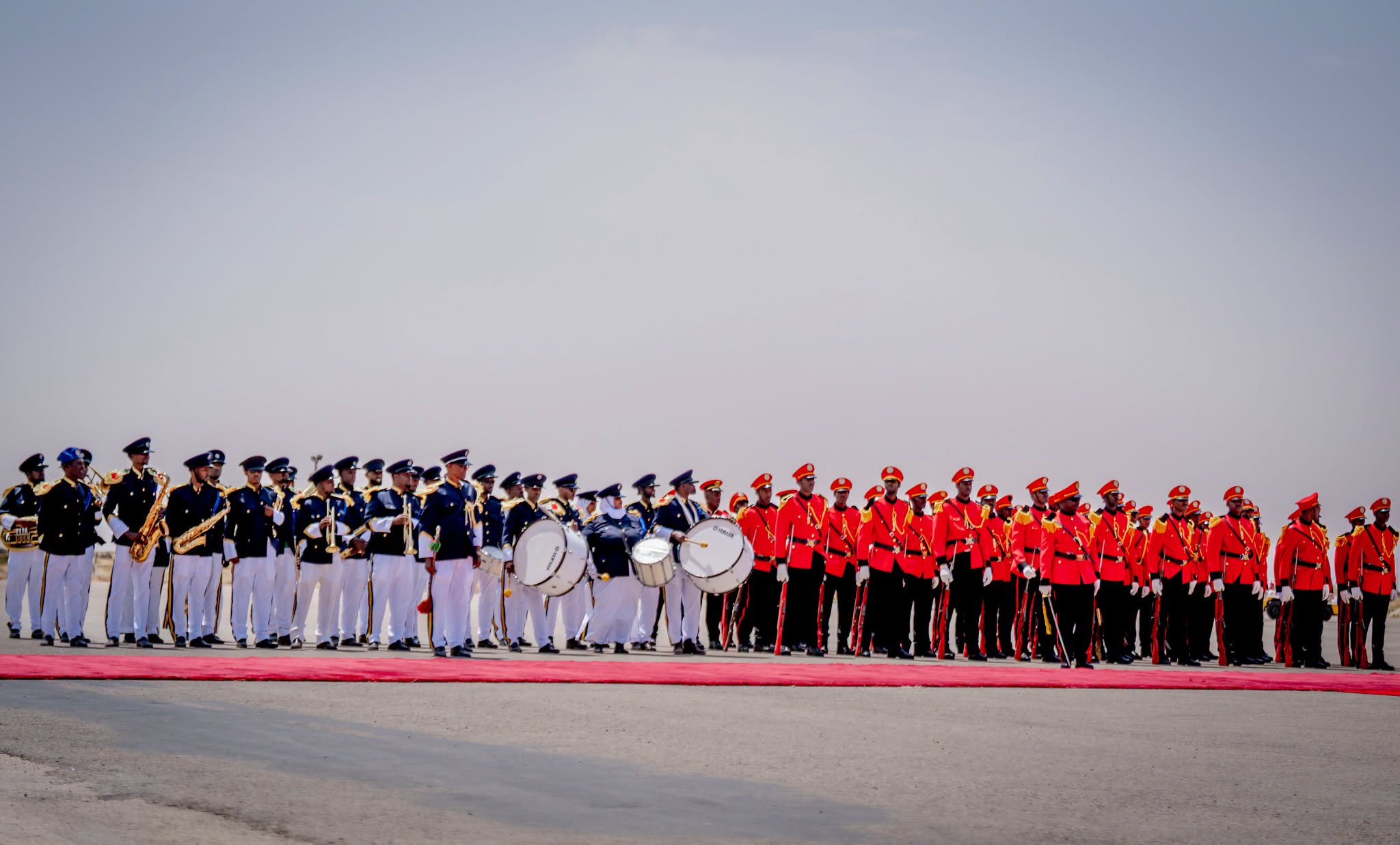
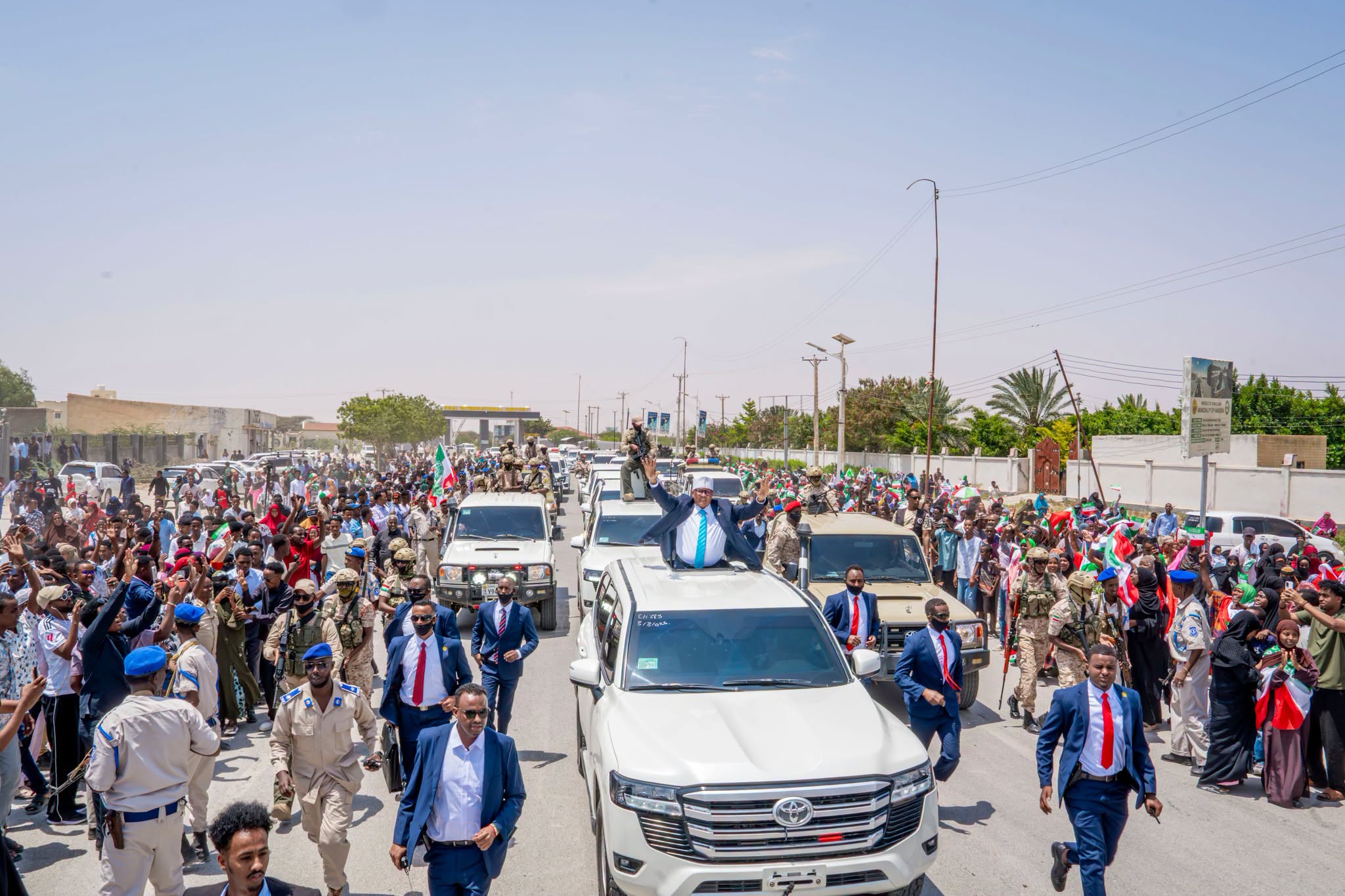
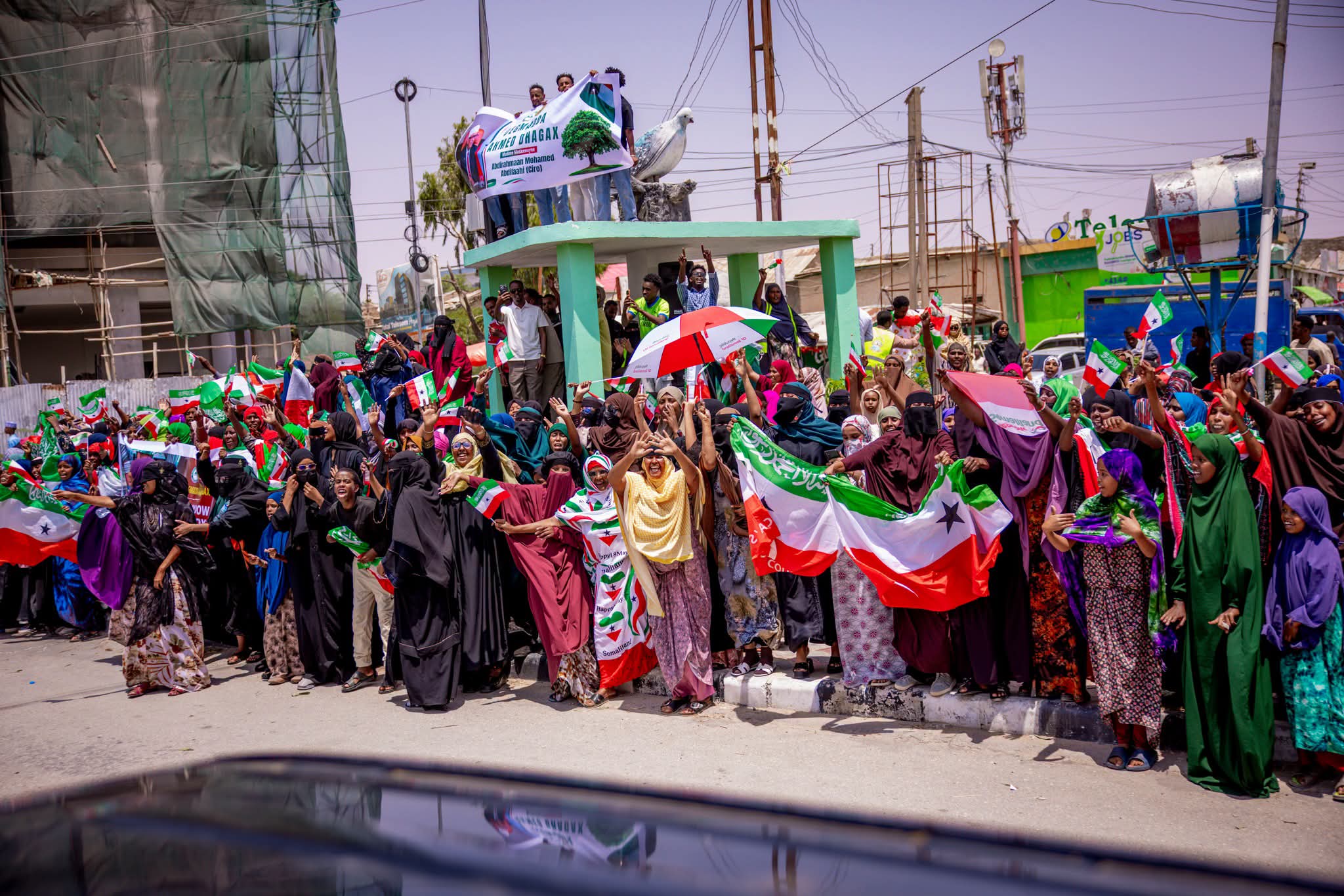
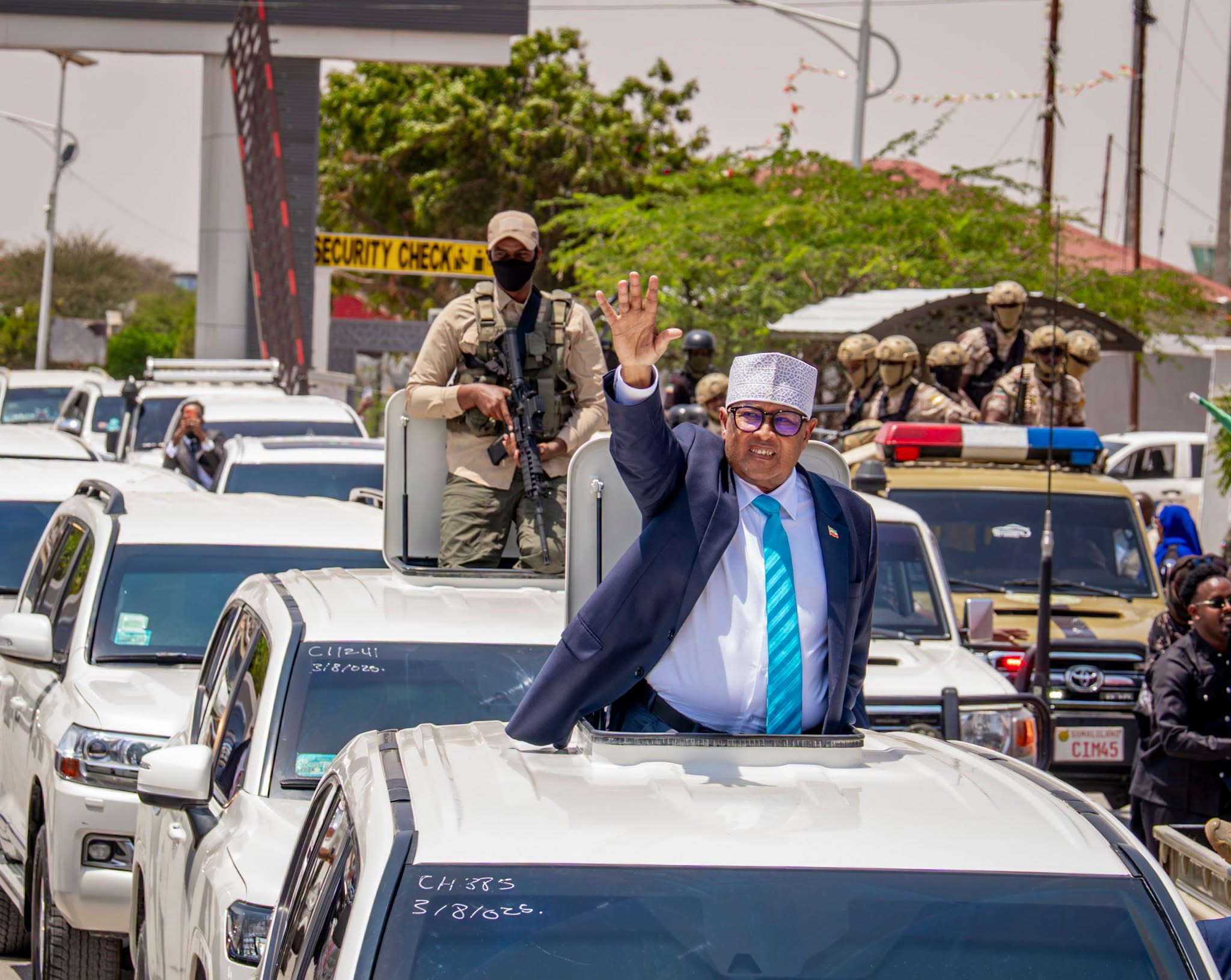
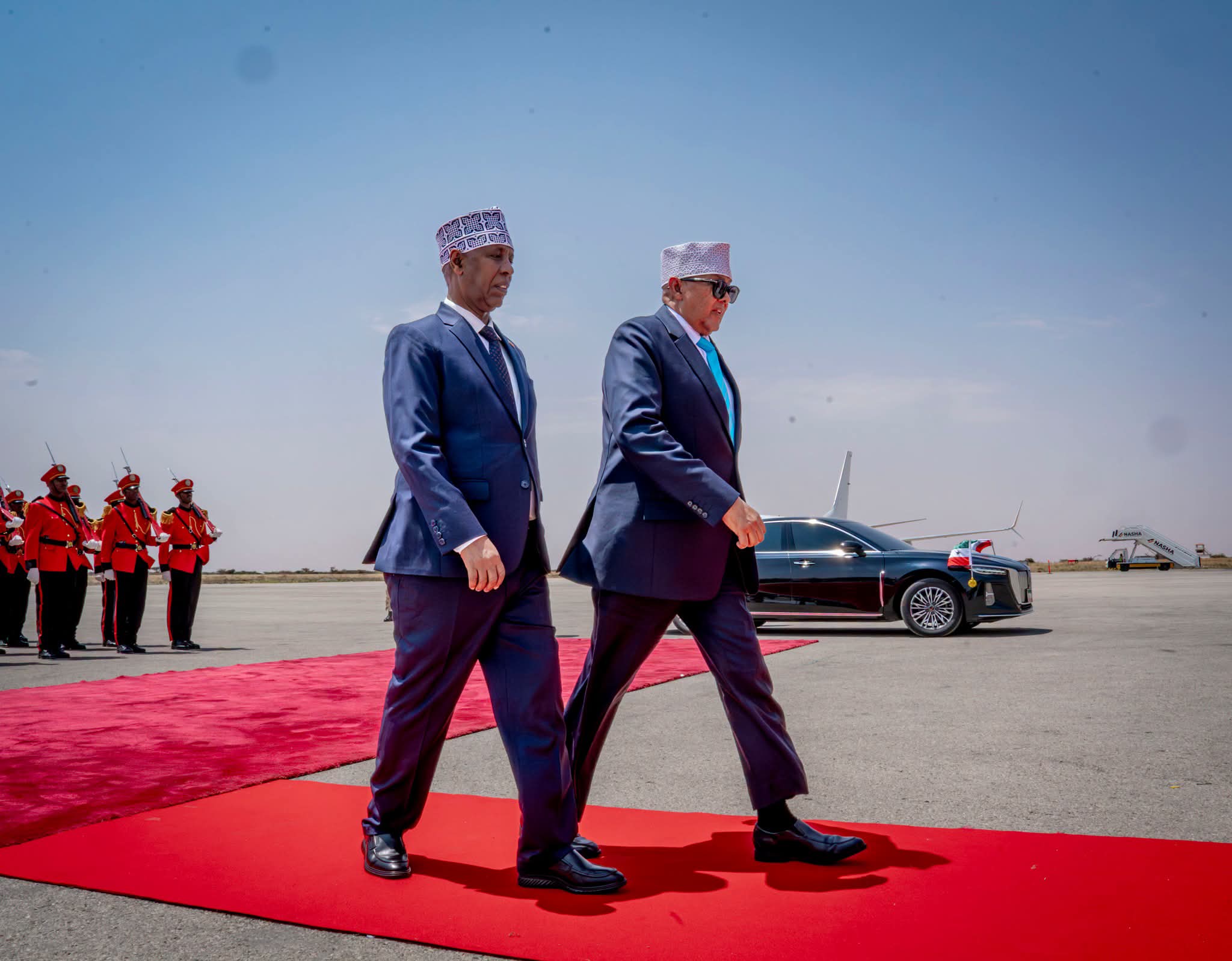
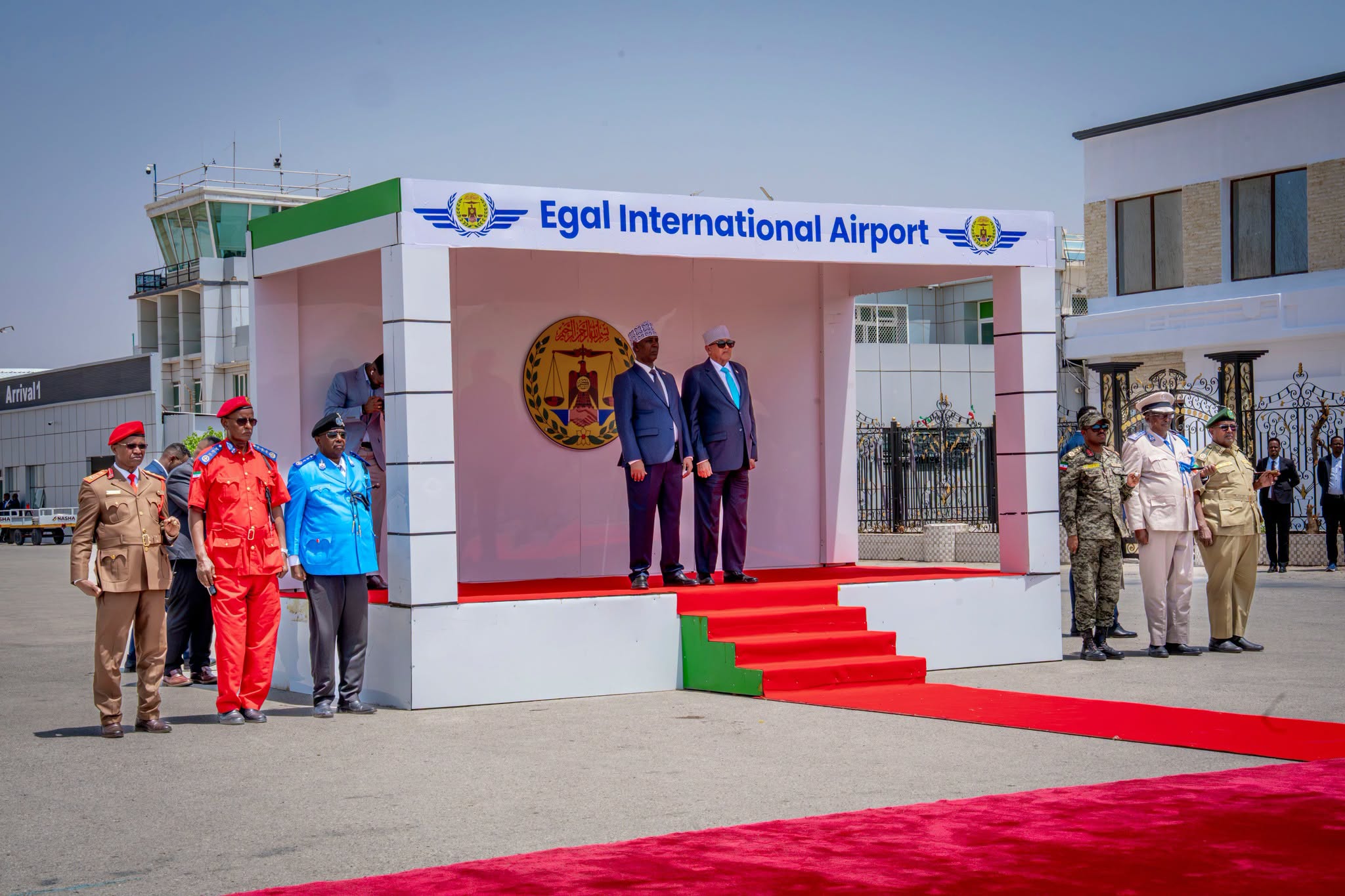
A hero's welcome in Hargeisa as President Irro returned home from his historic visit to Israel.

By: Mohamed Duale

HARGEISA, June 27 (Horndiplomat) Somaliland President Abdirahman Mohamed Abdullahi Irro returned home on Thursday to a hero’s welcome following a landmark state visit to Israel that analysts say could redefine the country’s international standing and reshape geopolitical dynamics across the Horn of Africa, the Gulf of Aden, the Bab el-Mandeb Strait and the broader Red Sea region.

Thousands of Somalilanders lined the streets of Hargeisa, waving national flags and chanting patriotic slogans as President Irro returned to the capital following what the government described as one of Somaliland’s most significant diplomatic engagements since restoring its sovereignty in 1991.

The visit came six months after Israel formally recognized Somaliland in December 2025, becoming the first United Nations member state to establish full diplomatic relations with Somaliland and opening a new chapter in the country’s decades-long quest for broader international recognition.

Addressing supporters upon his return, President Irro described the visit as a major diplomatic success that would strengthen Somaliland’s efforts to expand international partnerships and advance national interests.

“The visit was a great success for the Republic of Somaliland and further advances our national interests, diplomatic outreach and international engagement,” Irro said.

According to the presidency, the Israeli government and people expressed a genuine commitment to building a broad-based partnership with Somaliland in areas including economic development, security cooperation, agriculture, water management, investment, technology, infrastructure and institutional capacity building.

During the week-long visit, President Irro held high-level talks with Israeli President Isaac Herzog, Prime Minister Benjamin Netanyahu, Foreign Minister Gideon Sa’ar, Knesset Speaker Amir Ohana and Finance Minister Bezalel Smotrich.

The meetings culminated in the signing of a Strategic Joint Declaration of Cooperation aimed at deepening bilateral ties in trade, investment, agriculture, water management, energy, technology, innovation and security cooperation.
President Irro and his delegation also met senior executives from major Israeli companies and investors, presenting investment opportunities in Somaliland’s livestock, fisheries, mining, energy, infrastructure and blue economy sectors.

The Somaliland leader visited leading Israeli research institutions, agricultural innovation centres and companies specialising in water management, renewable energy, agricultural technology and advanced innovation, sectors Somaliland sees as critical to its long-term development agenda.

As part of the historic trip, President Irro paid tribute at Mount Herzl, visited the Yad Vashem Holocaust Memorial and planted a tree at the Groves of Nations in Jerusalem, symbolic gestures underscoring the growing relationship between the two countries.

Former U.S. Special Envoy for the Sahel Dr. J. Peter Pham said the visit could have implications extending far beyond bilateral relations.

“Despite being largely ignored by American and European media amidst U.S.-Iran talks, President Abdirahman Irro’s historic Israel visit may prove a strategic inflection point given Somaliland’s location astride vital sea lanes to the Bab el-Mandeb Strait and the Red Sea-Suez Canal,” Pham wrote on X.

Analysts say Somaliland’s strategic location along the Gulf of Aden and at the entrance to the Bab el-Mandeb Strait, a maritime chokepoint linking the Red Sea and the Indian Ocean through the Suez Canal, gives the territory growing geopolitical significance amid intensifying competition among global and regional powers in the Horn of Africa.

Located along the Gulf of Aden near the Bab el-Mandeb Strait, through which roughly one-fifth of global maritime trade passes, Somaliland occupies one of the world’s most strategically important maritime corridors linking Europe, the Middle East, Africa and Asia.

Growing instability along key maritime routes, attacks on commercial shipping and intensifying geopolitical competition have increased international interest in reliable partners capable of contributing to maritime security and regional stability.

Regional analysts say closer Somaliland-Israel relations could position Somaliland as an increasingly important strategic actor in the Gulf of Aden, the Bab el-Mandeb Strait, the Red Sea and the wider Horn of Africa region.

“Somaliland is increasingly pursuing a foreign policy driven by national interests, strategic partnerships and economic diplomacy,” said a regional political analyst. “The Israel visit demonstrates Hargeisa’s intention to diversify its international relations and position itself as a credible and reliable partner in a geopolitically sensitive region.”

Although Somaliland has yet to gain widespread international recognition, it has maintained relative stability, democratic governance and functioning state institutions for more than three decades, earning a reputation as one of the Horn of Africa’s most stable and democratic polities.

The president’s return coincided with celebrations marking the 66th anniversary of Somaliland’s independence from Britain on June 26, adding symbolic significance to a visit many Somalilanders view as a milestone in the country’s pursuit of broader international recognition.

Following his return, President Irro joined state leaders, diplomats and invited guests at the official Independence Day ceremony held at the Presidential Palace, where he reaffirmed Somaliland’s sovereignty, national unity and commitment to democratic statehood while underscoring his administration’s determination to expand international partnerships and advance the country’s diplomatic interests.

For many Somalilanders, the visit represents more than diplomacy. It signals the emergence of a more assertive foreign policy aimed at transforming the country’s strategic location, democratic credentials and international partnerships into tangible diplomatic and economic gains.

Reporting by Mohamed Duale; Editing by Horn Diplomat News Desk.

Leave a Reply