
By: Mr Awale.I. Shirwac
After 34 years of State building , Institutional and human capital development Somaliland has remained without international recognition. During this period, the country successfully prevented problems such as migration, piracy, and terrorism, but struggled to improve economic conditions, address high unemployment, rehabilitate chronic infrastructure, and enhance government services. Lacking the fiscal capacity to tackle these challenges, the absence of international recognition further exacerbated the situation. Despite these challenges, Somaliland has adopted a democratic political system, held elections, and witnessed number of peaceful transfer of powers. Situated in a strategic yet highly volatile region, Somaliland ensured the safeguarding of the 850 km long coast bordering Gulf of Aden and the borders it has with other neighbouring countries. Yet, despite these efforts, international recognition remained absent.
The six million Somaliland citizens remained resilient, believing in the statehood against all odds. Throughout the past 34 years, Somaliland citizens endured economic embargo, diplomatic isolation, community tensions, economic crises, lack of development, and the difficult situation of living in a diplomatic limbo. But that did not lead to despair and chaos; Somaliland people showed resilience and refused to give up hope. They continue to support their successive governments, democratic process, and, when needed, relying on a trusted hybrid governing system in which traditional elders supported government institutions during the period of crises.
The Guurti system, the official council of elders or the upper house of parliament, assumed the role of the institution responsible for conflict resolutions and has been instrumental in ensuring the lasting stability of this young state. However, a growing, and educated youth with limited opportunities available at home, has growingly became a significant challenge for Somaliland authorities, and without a formal recognition, and access to global markets and multilateral institutions, the government had no means to introduce policies to mitigate these growing societal challenges.
The newly elected President and his government have made the issue of gaining international recognition their priority from day one, when the new government assumed office a year ago. The current president, Mr Abdirahman M. Abdullahi (Irro), approached 40 heads of states, Presidents, Prime Ministers, and leaders, and sent each one of them a personal letter urging them to recognise Somaliland. The current government under President Irro, unlike previous administrations, adopted a new strategy of “Win vs Win” negotiations, making partnership and cooperation the centre of the government message to foreign partners and abandoning the tradition of “donor vs recipient” negotiation culture. It strongly showcased what Somaliland is offering (strategic location, infrastructure, stable country in a volatile region, natural resources, western leaning policies, and potential gateway to Africa) in exchange for international recognition.
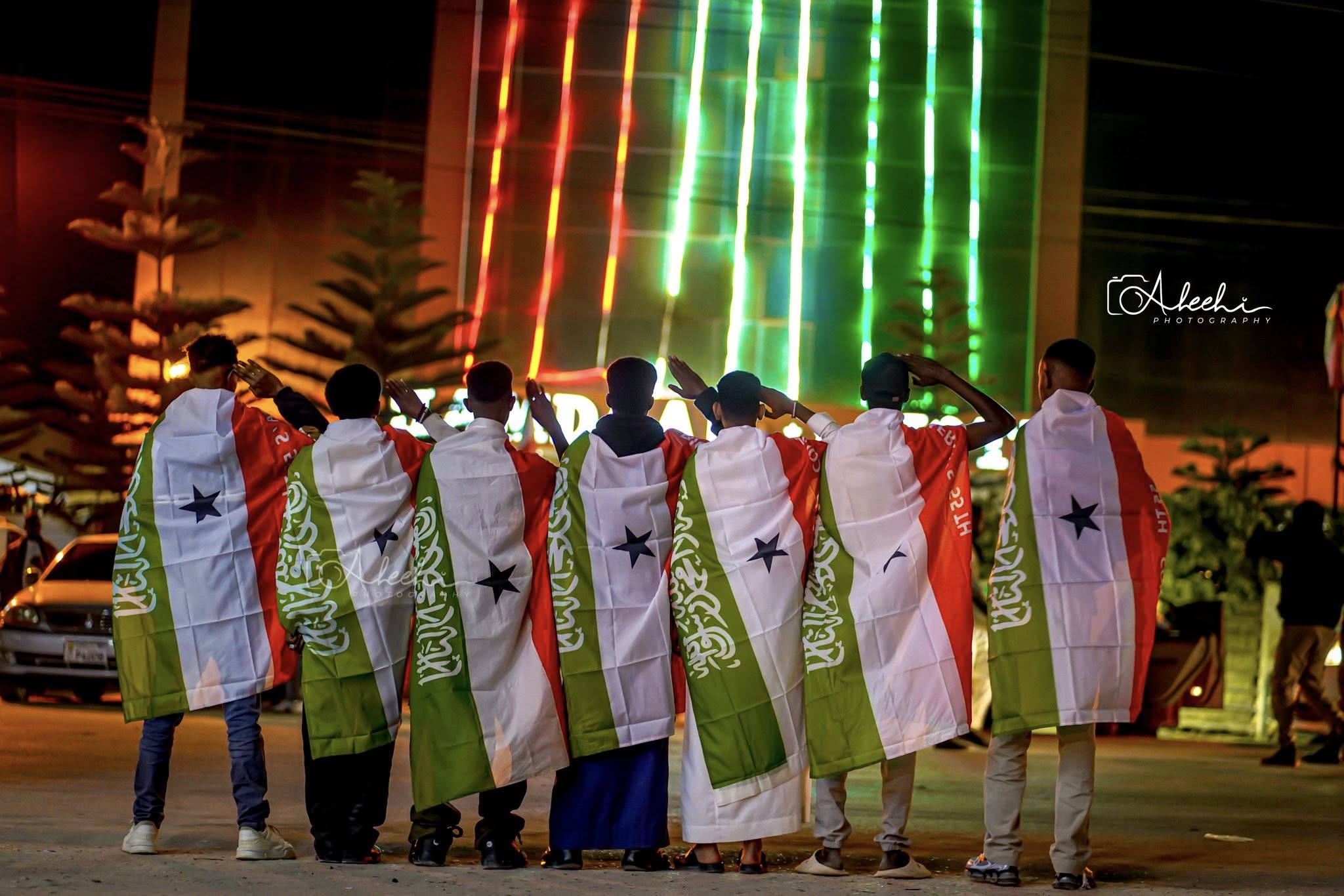
First country that responded this direct appeal from the Somaliland President became the state of Israel, which offered the long-awaited recognition, after 34 years of search and after 65 years from the first time that this young nation Republic of Somaliland gained its first recognition from Britain, Israel recognised Somaliland as an independent and sovereign nation on the 26th of December 2025.
A long and frustrating diplomatic journey.
Many countries and actors that are criticising Somaliland’s direct approach to Israel, ignore the fact that Somaliland did not prioritise Israel in its pursuit of international recognition during the early decades. Instead, Somaliland focused on engaging negotiations with Federal Government of Somalia, a country it voluntarily united with in July 1960 and withdrew voluntarily from that union in May 1991, when it reinstated its independence and statehood as independent Republic of Somaliland. Dialogue with Somalia were held in London UK, Ankara Turkey, Djibouti, all these talks ended up failure and with no results. For the past three decades, Somaliland also reached out to the African Union and several African countries, South Africa, Senegal, Kenya, Ethiopia and others, yet without pointable results.
African Union fact finding mission, which conducted a rigorous study regarding Somaliland’s quest for international recognition in 2005 concluded, The fact that the ‘’union between Somaliland and Somalia was never ratified and also malfunctioned when it went into action between 1960 to 1990, makes Somaliland’s search for recognition historically unique and self-justified in African Political history” ( African fact finding mission to Somaliland 2005). More recently Ethiopia came close to recognising the Republic of Somaliland as a sovereign and independent country in January 2024, inexchange for a proposed ‘’ Sea-Access Deal”, however, following pressure from regional blocks and from some western powers, Ethiopia decided to step back from that deal.
Throughout the past two decades Western countries including Britain, US and other countries consistently maintained that they prefer to wait until regional organisations, regional countries, and other countries grant recognition to Somaliland, implying none of them were against the quest for international recognition for Somaliland in principle.
Why Israel’s Recognition Matters
Although formally bilateral act between Israel and Republic of Somaliland, the recognition carries implications far beyond the two states. Its significance lies less in immediate material benefits than in the symbolic breach of a three-decades of international consensus of non-recognition. This is where Somaliland places its hope, the FIRST MOVER EFFECT. The expectation is that Israel’s recognition will lead to a diplomatic domino effect, encouraging countries previously afraid of the condemnation and blame, to follow suit. It is reasonable to expect that these countries will still wait and observeshort term repercussions, and reactions from countries like US before making final decisions, this could take months or longer. Somaliland believes that the US administration under President Trump is fully aware of the strategic benefits of recognising Somaliland, and its expected relationship between the US and Somaliland will improve significantly during Trump Presidency.
