
By Abdirahman Yusuf Artan, A former Member of Parliament of Somaliland
Israel recognized Somaliland on 26 December 2025, and to the surprise of Somalis, a geopolitical earthquake swept across countries on both sides of the Gulf of Aden, the Red Sea, and far beyond.
Ironically, the countries now up in arms against Somaliland’s recognition are the same ones that, until recently, dismissed it as insignificant and unworthy of attention—despite Somaliland’s relentless lobbying for recognition over the past 34 years. This disregard persisted even as Somaliland achieved two rare accomplishments in the Horn of Africa: peace and democratic governance.
Suddenly, recognition arrived from an unexpected quarter—not from fellow Africans, not from Arab neighbors, nor from fellow Muslims—but from Israel.
At present, Israel’s image—particularly that of its prime minister, whose reputation is deeply tainted by the Gaza tragedy—strongly discourages association with that state.
However, Somaliland has sought recognition for more than three decades, and when it finally came—from Israel—it presented an opportunity that could not be dismissed. The immediate response was clear: embrace it, no matter what.
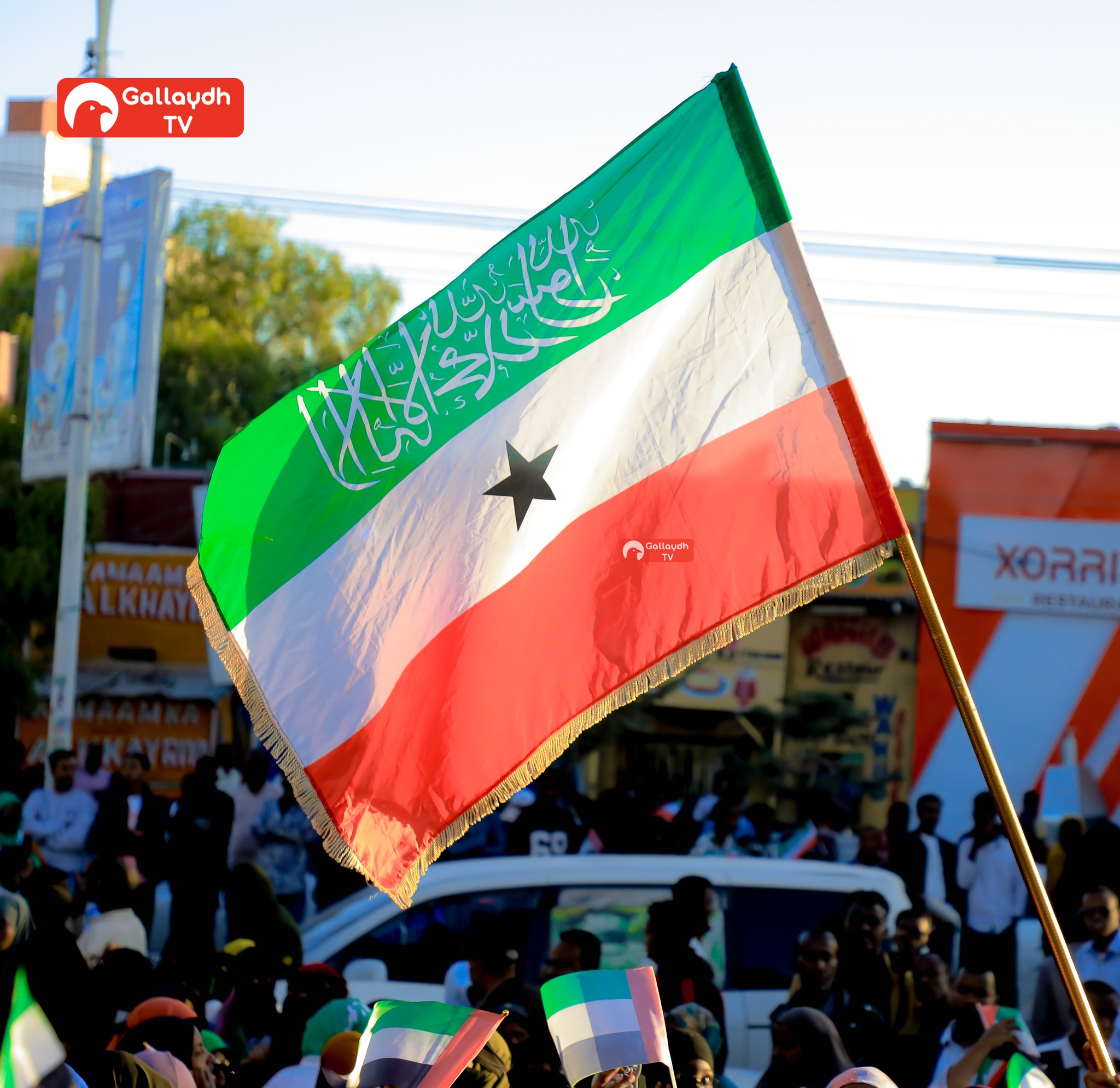
This blitzkrieg—the unexpected Israeli move—provided a powerful moral boost to a besieged people. Following the announcement, jubilant crowds flooded the streets of major Somaliland cities, while social media overflowed with emotions blending long-held frustration with renewed hope.
The Israeli flag was raised widely across Somaliland; perhaps nowhere else in the world has that flag been embraced with such open gratitude. The people of Somaliland openly and graciously expressed their thanks to the Jewish state.
Floodgates of Denunciation and Dismay
Once Israel’s recognition became public, floodgates of geopolitical concern swept the region. Countries that had long shown no interest in Somali affairs suddenly expressed deep anxiety over the move. The strategic importance of the Somali Peninsula—previously ignored or taken for granted—now resurfaced as an urgent matter.
Regional powers such as Egypt and Saudi Arabia reacted with indignation, claiming the area as their backyard. What they overlook is that Somalia’s turmoil long predates the state collapse of the 1990s. Its roots lie in the brutal civil war of the 1980s, which devastated Somaliland cities and claimed hundred of thousands of innocent lives.
After the fall of the dictatorship and the collapse of the state, Somaliland reconciled its people and restored peace, while Somalia descended into chaos. Yet none of these countries extended meaningful assistance—neither by accepting waves of refugees nor by providing humanitarian support to millions of internally displaced people, despite their vast resources. During those dark years, it was largely non-Muslim actors who came to the aid of Somalis.
The same countries that claim the region as their strategic geopolitical backyard failed to address the profound implications of events unfolding in Somalia over the past four decades. They paid little attention to Somaliland’s steady progress, despite its relative stability and democratic achievements compared to the rest of the region.
Nonetheless, Israel’s recognition triggered widespread condemnation from neighboring states, as well as regional and international organizations.
It appears as though these entities have suddenly awakened from a deep slumber, ignoring the 34-year-old decision of the people of Somaliland to reassert themselves as a separate and independent political entity.
The loudest objections come from self-styled custodians of Somali unity—the very powers that, in Somalia’s darkest moments, displayed blatant indifference toward the suffering of its people.
Not long ago, these same actors launched a crusade to block even the idea of an MOU between Somaliland and Ethiopia, mirroring the current outrage over Israel’s recognition.
Among the condemning powers is Turkey. To its credit, Turkey responded to southern Somalia’s humanitarian crisis and made efforts to mediate between Somaliland and Somalia. However, these commendable initiatives were abandoned after Turkey secured lucrative unilateral concessions from the Somali Federal Government, including oil exploration rights and extensive control over Somalia’s marine resources.
Countries such as Egypt and Saudi Arabia largely kept Somalia off their radar—except when Somaliland took steps to consolidate its independence.
The emerging unholy alliance against Israel’s recognition of Somaliland risks further destabilizing the Horn of Africa. Some voices have gone as far as suggesting that terrorist organizations be encouraged to wage so-called holy war against Somaliland.
It must be stressed that the countries aligning with Somalia’s Federal Government are pursuing their own national interests—just as Israel is pursuing its own.
Had these Muslim-majority countries truly wished to help Somalia, they had ample opportunity to do so. Instead, they only react when a rival power steps into a space they themselves abandoned.
Imperatives Arising from Somaliland’s Recognition
Somaliland has finally attained its long-sought recognition and hopes that other countries will follow suit. There is no return to the status quo, as President Irro emphasized during the announcement.
In a gesture of goodwill, the president also appealed to Somalia’s Federal Government to work toward a future in which Somaliland and Somalia coexist as two brotherly neighbors—drawing on their shared faith, culture, language, and economic ties to prosper together.
As for the regional powers now aligning with Somalia, it must be underscored that they are driven solely by their own interests.
Somalia, for its part, should cease antagonizing Somaliland, as continued hostility will only deepen divisions between the two peoples and allow external actors to exploit their differences for selfish ends.
About the Author

Abdirahman Artan is a historian and cultural researcher at the National Museum of Somaliland. He is a former member of the Somaliland House of Representatives and a former peace and development researcher at the Academy for Peace and Development. He is also a playwright and the author of several books, plays, and articles on Somali history, culture, politics, and social issues, with a focus on the Horn of Africa.
Email:cycartan@outlook.com