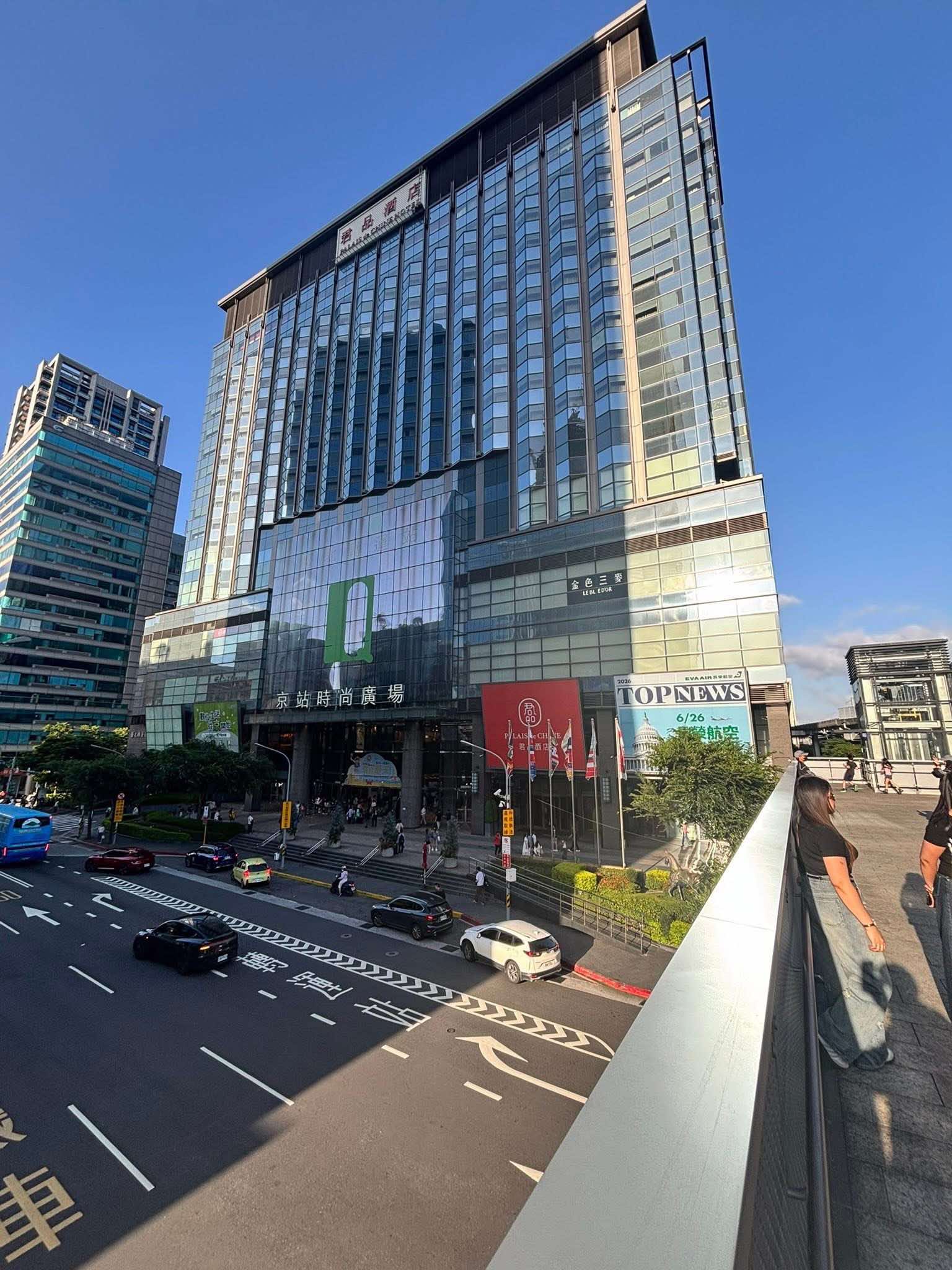
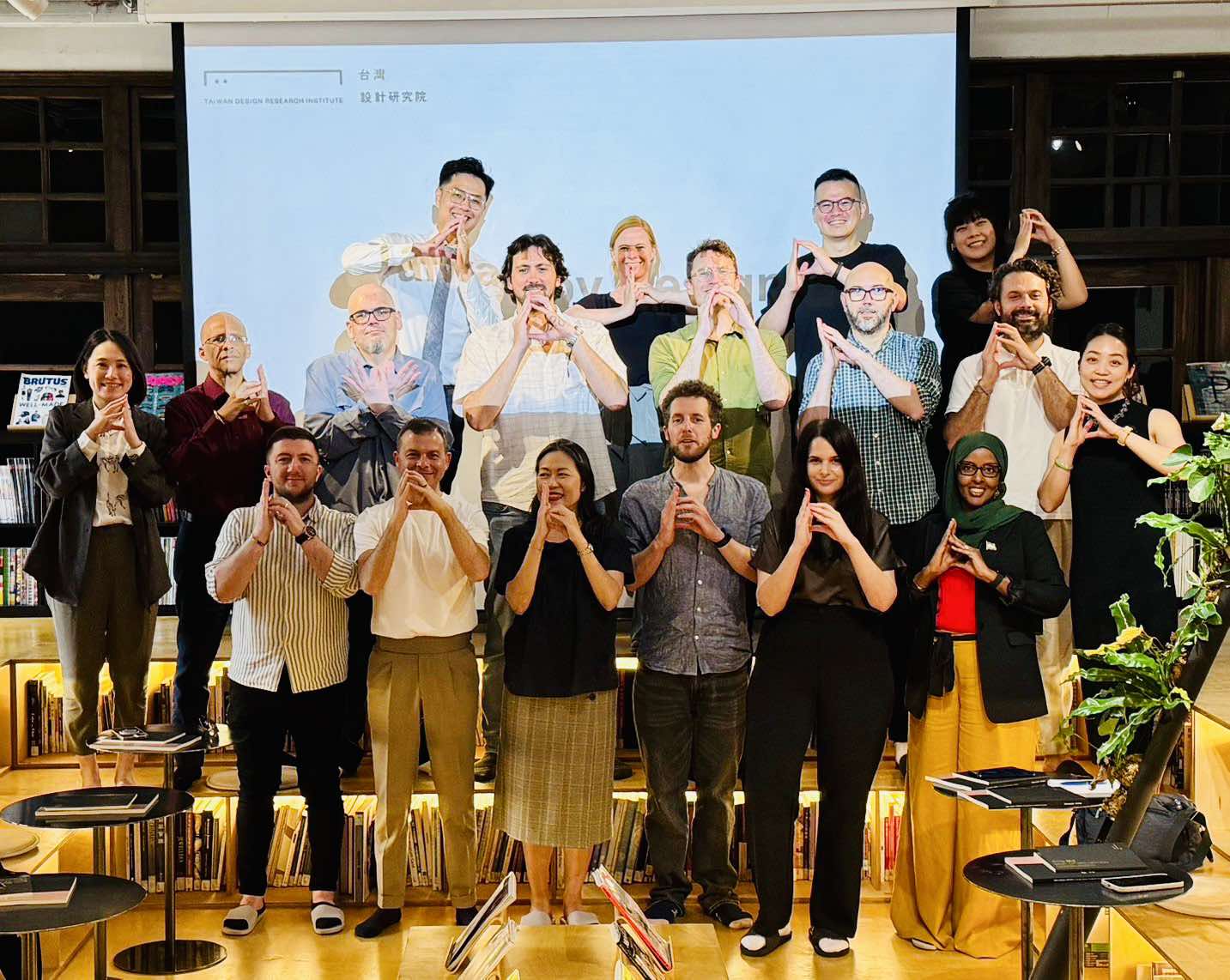
I was among fifteen international journalists invited by the Ministry of Foreign Affairs of Taiwan to participate in the 2026 International Press Group on Taiwan’s Political and Economic Development. The delegation brought together journalists from the United States, France, Canada, Germany, Italy, Belgium, Australia, Israel, Thailand, Kosovo, and the Republic of Somaliland.
For five intensive days in Taipei, the delegation engaged with some of Taiwan’s most important national institutions. We met senior government officials, policymakers, innovators, researchers, and diplomats, including deputy ministers from the Ministry of Foreign Affairs. The programme was rigorous, intellectually engaging, and strategically organised to expose delegates to Taiwan’s political resilience, economic transformation, technological advancement, and democratic development.
The Taiwanese officials we encountered displayed exceptional diplomatic discipline, confidence, and national pride. They answered difficult questions openly and gracefully while demonstrating an unwavering commitment to defending their country, preserving their democracy, and strengthening their place in the international community. Beyond policy and politics, what stood out most was the civility, humility, and collective national spirit visible throughout Taiwanese society.
Yet, as a journalist from Somaliland, my greatest interest was not merely Taiwan’s military preparedness or economic success. My focus was on something deeper: how inclusive democracy and a unified national identity have enabled Taiwan to transform itself into one of the world’s most advanced and respected societies.
Having spent more than a decade advocating for women’s political participation and social inclusion in Somaliland, including serving as Lead Gender Advisor at Somaliland’s House of Representatives, I continuously asked myself an important question throughout this visit:
How did Taiwan succeed in creating a democratic system where women are not symbolic participants but genuine partners in nation-building?
This question became increasingly important as we toured institution after institution. One of Taiwan’s most admirable qualities is the collective participation of its citizens in advancing national development. Democracy in Taiwan does not appear to be confined to elections alone; it is embedded in institutions, public service, innovation, and national culture.
In many of the institutions we visited, women occupied meaningful professional and leadership roles. Initially, I wondered whether these positions were merely cosmetic. However, the deeper we travelled into Taiwan’s institutional landscape, the clearer the answer became.
One of the most revealing moments came during our visit to the Taiwan Space Agency (TASA), the institution responsible for Taiwan’s space affairs and technological advancement. Established in 1991 under Taiwan’s National Science and Technology Council, TASA represents one of the country’s most strategic scientific institutions.
To my surprise and admiration, seven of the ten senior management officials who received the international delegation were women. The meeting itself was led by the Deputy Director-General, Ms. Chung-Huei Vicky. These women were not ceremonial figures; they were scientists, engineers, decision-makers, and leaders shaping Taiwan’s future in science and technology.
For me, this was one of the clearest demonstrations that Taiwan’s democracy is genuinely inclusive.
Another remarkable encounter took place at the Taiwan Design Research Institute (TDRI), Taiwan’s national design and innovation institute established under the Ministry of Economic Affairs in 2020.
TDRI revealed another dimension of Taiwan’s national strategy: the deliberate use of design, innovation, and creativity to strengthen national identity and improve public life.
Taiwan does not treat design as decoration. It treats design as a strategic national instrument.
Through TDRI, Taiwan integrates design thinking into industrial innovation, transportation systems, public services, digital transformation, environmental sustainability, urban planning, branding, and international image-building. The institution brings together engineers, designers, universities, businesses, and government agencies to create practical solutions that improve citizens’ daily lives while strengthening Taiwan’s competitiveness globally.
Once again, women were visibly present throughout the institution as designers, researchers, engineers, presenters, and senior professionals. The environment reflected a society that values competence, education, and contribution over gender barriers.
The lesson became unmistakably clear: Taiwan’s extraordinary progress is not the achievement of men alone, nor of a ruling elite isolated from society. It is the result of a collective national effort in which women and men participate side by side under one national identity and one democratic vision.
Taiwan’s strength lies not only in its economy or technology, but in its ability to unite its people around a shared national purpose while allowing diverse voices to participate in shaping the nation’s future.
This is where Somaliland must pay close attention.
The Republic of Somaliland has achieved remarkable accomplishments under extremely difficult circumstances. It has built peace, stability, democratic elections, and functioning institutions without international recognition. Yet Somaliland still faces serious internal challenges related to political inclusion, social fragmentation, clan division, and the limited participation of women and young professionals in national leadership.
No nation can achieve its full potential while excluding large segments of its population from meaningful participation.
Inclusive democracy is not a Western slogan; it is a strategic necessity for national development, international legitimacy, and long-term stability.
Taiwan demonstrates that when citizens, regardless of gender or background, feel represented within national institutions, they become active stakeholders in defending and developing their country. Inclusion creates ownership. Ownership creates patriotism. Patriotism strengthens national resilience.
Similarly, a unified national identity is essential for Somaliland’s future. Taiwan’s people may hold diverse political opinions, but they share a strong sense of belonging to one Taiwan. That shared identity strengthens their institutions and protects their democracy.
Somaliland must continue building one national identity that rises above tribal, regional, and political divisions. The nation’s future should not belong to a small political class or to one segment of society. It must belong equally to all Somalilanders; women and men, youth and elders, intellectuals and entrepreneurs alike.
My visit to Taiwan was truly eye-opening. I did not merely witness technological advancement or economic success; I witnessed a nation that has invested in its people, trusted its women, strengthened its institutions, and united its citizens around a common national vision.
That is the true foundation of Taiwan’s prosperity.
My hope is that Somaliland will embrace similar principles of inclusive democracy, institutional development, and collective national identity so that our nation, too, can achieve even greater progress, international respect, and lasting prosperity alongside our great ally, Taiwan.
About The Author
Salma A. Sheikh currently serves as the Head of the Gender Advisory Office at the House of Representatives of the Republic of Somaliland. She is also the founder and Chief Editor of The Somaliland Review, Somaliland’s first female-owned media organization and a quarterly English-language news magazine dedicated to politics, diplomacy, culture, and national affairs.
The views expressed in this article are the author’s own and do not necessarily reflect the Horndiplomat editorial policy.
If you want to submit an opinion piece or an analysis, please email it to Opinion@horndiplomat.com. Horndiplomat reserves the right to edit articles before publication. Please include your full name, relevant personal information, and political affiliations.