

By: Mohamed Duale
ADDIS ABABA, June 1 (Horn Diplomat) – Millions of Ethiopians headed to polling stations across the country on Monday as voting began in Ethiopia’s 7th General Election, a nationwide vote seen as a major test of the country’s democratic institutions and political reforms.
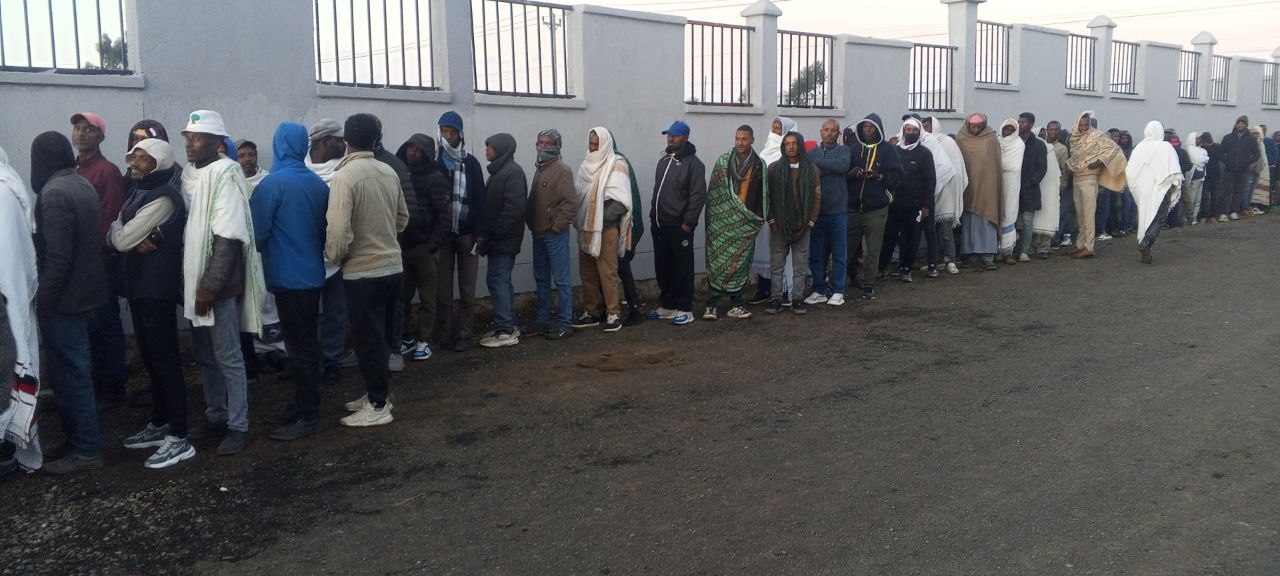
From the bustling streets of Addis Ababa to the historic cities of Bahir Dar, Harar and Gondar, and from the growing commercial hubs of Adama, Hawassa and Arba Minch to communities across the Somali, Afar and Oromia regions, voters gathered before dawn to cast their ballots in one of Africa’s largest electoral exercises.
Long queues formed outside polling stations as citizens waited to participate in the election, which will determine the composition of Ethiopia’s House of Peoples’ Representatives and shape the country’s political direction for the next five years. More than 50 million registered voters are eligible to take part in the vote, according to the National Election Board of Ethiopia (NEBE), making it one of the continent’s largest electoral mandates.
The opening of polls followed months of voter registration, political campaigning, candidate nominations, public debates and nationwide logistical preparations led by NEBE and other state institutions. Electoral materials were distributed across thousands of polling stations in advance of voting day.
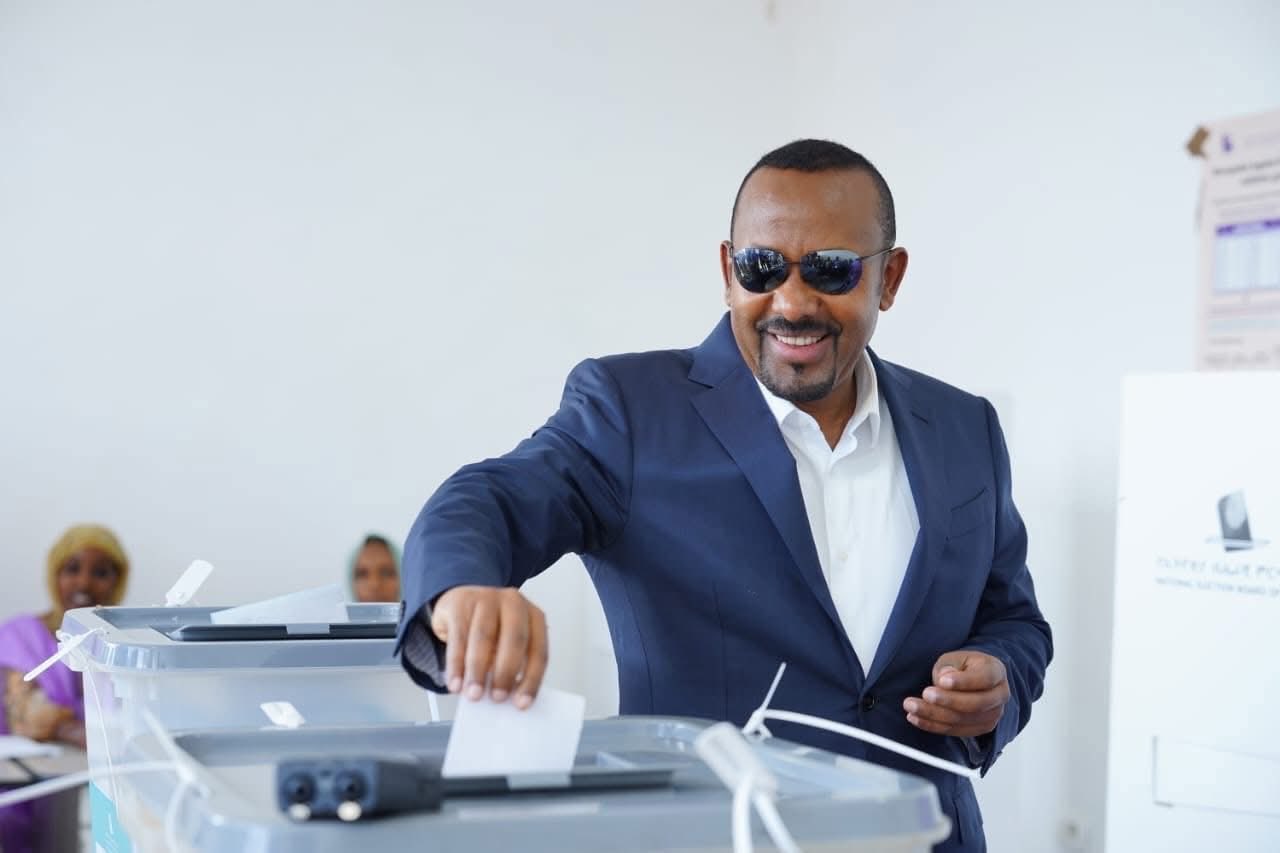
Prime Minister Abiy Ahmed cast his vote in Oromia Region and expressed confidence in the electoral process, describing the election as another step in Ethiopia’s democratic journey. The ruling Prosperity Party is widely expected to secure a majority in parliament.
Observers from across Africa and the international community monitored the vote, with the African Union Election Observation Mission expressing optimism about the conduct of the process. Former Kenyan President Uhuru Kenyatta, who is leading the AU mission, said voting was progressing smoothly and emphasized the significance of a successful election for the continent.