A proper entry point into this discussion is to define the scientific meaning of human civilization. This concept has been articulated by Professor Murad Wahba, Professor of Philosophy at Ain Shams University in Egypt, as a historical transition from myth and legend to rationality. In concrete and practical terms, this transition entails the recognition and equal treatment of all human beings as free and equal members of society, regardless of their differences. It also requires a commitment to the public good and engagement in political and social life in ways that respect the fundamental rights and dignity of all individuals.
States that practically embody these principles qualify as participants in the mainstream of modern human civilization, while those that fail to do so remain outside it. Within this framework, the contrast between Israeli society and most societies in the Arab and Islamic world particularly with regard to democratic values and their practical application becomes evident.
Israeli society has largely integrated into the mainstream of modern human civilization. Its political and social systems are centered on modern rules and institutions, where dominant modes of thinking are science-based and largely free from traditional or dogmatic reasoning. By contrast, in much of the Arab and Islamic world, prevailing modes of thought remain predominantly traditional and are often governed by religious fundamentalism. This has constrained the full development of democratic governance, individual freedoms, and rational public discourse.
That said, it is important to acknowledge the ongoing though slow efforts toward modernization in several Arab and Islamic countries. Notable examples include the United Arab Emirates, Saudi Arabia, Bahrain, Tunisia, and Egypt, where reformist initiatives aimed at curbing political Islam and promoting modernization have emerged. These efforts, despite their limitations, deserve recognition for attempting to redirect political and social development toward a more rational and modern trajectory.
However, despite these reformist gestures, with the notable exception of the UAE, many of these same states have engaged in political actions that undermine democratic achievements elsewhere—most strikingly in the case of the Republic of Somaliland. This contradiction was clearly illustrated by the outcome of the recent meeting of the Organization of Islamic Cooperation held in Saudi Arabia, which sought to condemn Israel’s recognition of Somaliland. The voting outcome revealed deep divisions: while 22 member states supported the condemnation, 35 states opposed it. This outcome indicates that a significant bloc within the Islamic world did not align with efforts to delegitimize Somaliland’s political trajectory.
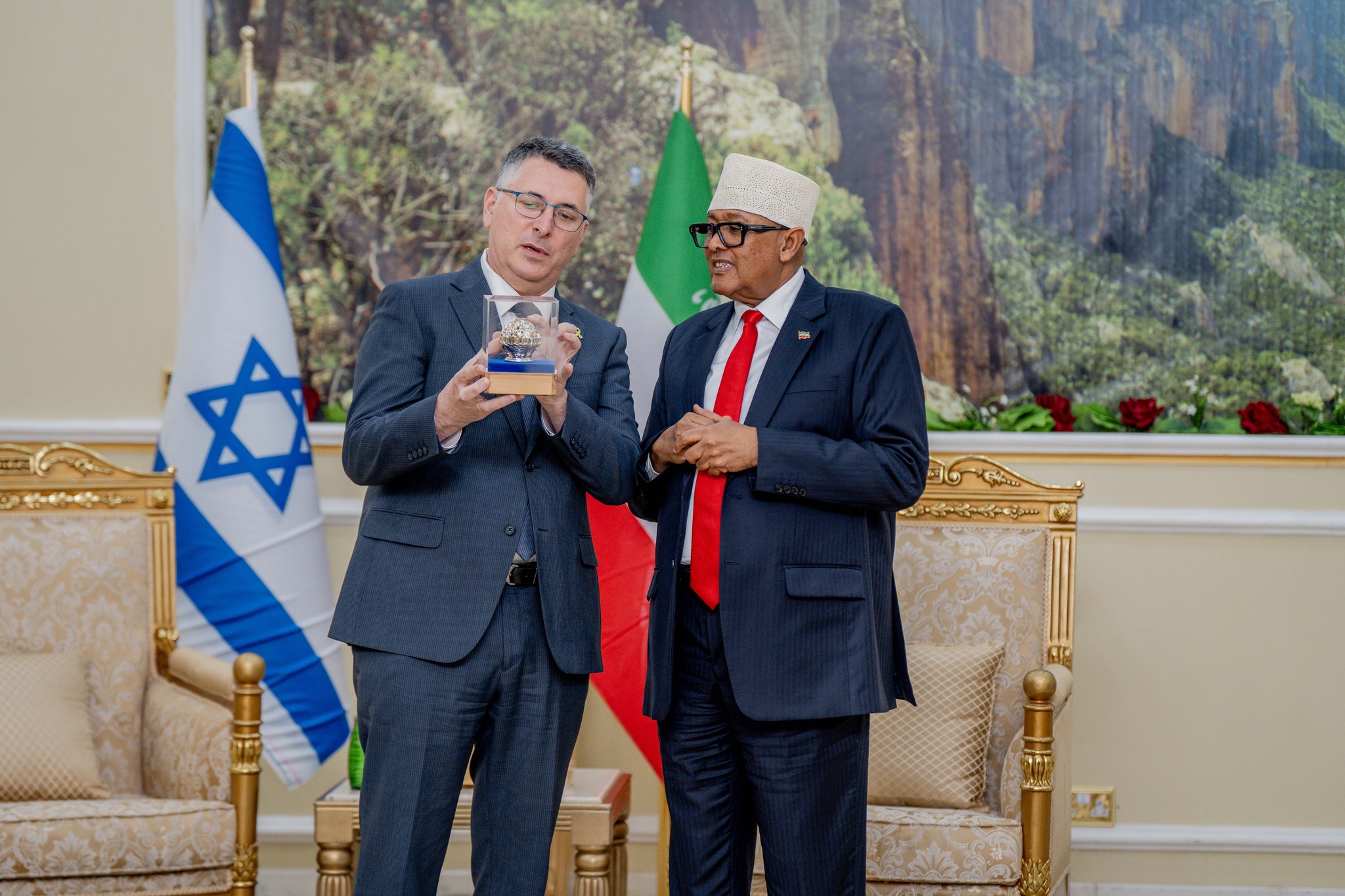
This division underscores a broader historical trend: the direction of history favors democratization, modernization, and rational governance. In this context, Israel’s recognition of the Republic of Somaliland aligns with these global trends of political evolution and institutional legitimacy. Nevertheless, meaningful integration into the mainstream of modern civilization requires confronting a deeper ideological challenge—namely, the crisis produced by Islamic radicalism and its manifestations, including political extremism and terrorism.
Moving forward necessitates a clear distinction between deliberate, strategic reform and reactive governance driven by short-term events and everyday political pressures. The absence of a coherent long-term vision in many Arab and Islamic societies is largely rooted in an ideological framework that conceptually rejects rational engagement with social transformation and practically resists renewal. This ideological rigidity continues to function as a stumbling block to innovation and reform, even in states led by reform-oriented leadership such as the UAE, Saudi Arabia, and Tunisia.
The central question, therefore, is where to go from here. The answer lies in the need for an alternative interpretation of Islam—one that challenges the dogmatic traditions associated with Wahhabism and the Muslim Brotherhood. These traditions draw heavily on the intellectual legacy of Abu Hamid al-Ghazali and Ibn Taymiyyah (1263–1328), whose influence has shaped a theological worldview resistant to philosophical reasoning and modern rationality.
In response to this impasse, Professor Murad Wahba has strongly advocated for a return to the Ibn Rushd (Averroes, 1126–1198) interpretation of Islam, which emphasizes the compatibility of reason, philosophy, and religious faith. Wahba argues that this intellectual tradition represents an indispensable alternative to Wahhabism and Islamist ideology, offering a pathway toward enlightenment, renaissance, and integration into modern human civilization. While current reform efforts in the Arab and Islamic world are important, Wahba stresses that they remaininsufficient without a fundamental rethinking of religious interpretation that confronts traditional dogmatism at its roots.
According to this perspective, Ibn Rushd’s rationalist approach provides the philosophical foundation necessary for continuous innovation, individual freedom, and the protection of human rights within an advanced global system grounded in secular governance and interconnectedness. It is within this intellectual and civilizational context that Somaliland’s political trajectory becomes particularly significant.
Somaliland’s commitment to state-building, internal democratization, and the pursuit of international legitimacy places it closer to Israel—one of the established centers of modern human civilization—than to many states within its immediate regional and cultural environment. This alignment reflects not merely a diplomatic choice, but a broader civilizational orientation toward rational governance, political pluralism, and modern statehood.
About Author
Adam Muse Jibril is a former diplomat and scholar who has served as the Somaliland Representative to the United Kingdom, Ethiopia, and the African Union (AU). A prolific author, he has published numerous articles focusing on Horn of Africa politics, democratization, and regional security
The views expressed in this article are the author’s own and do not necessarily reflect the Horndiplomat editorial policy.
If you want to submit an opinion piece or an analysis, please email it to Opinion@horndiplomat.com
Horndiplomat reserves the right to edit articles before publication. Please include your full name, relevant personal information and political affiliations