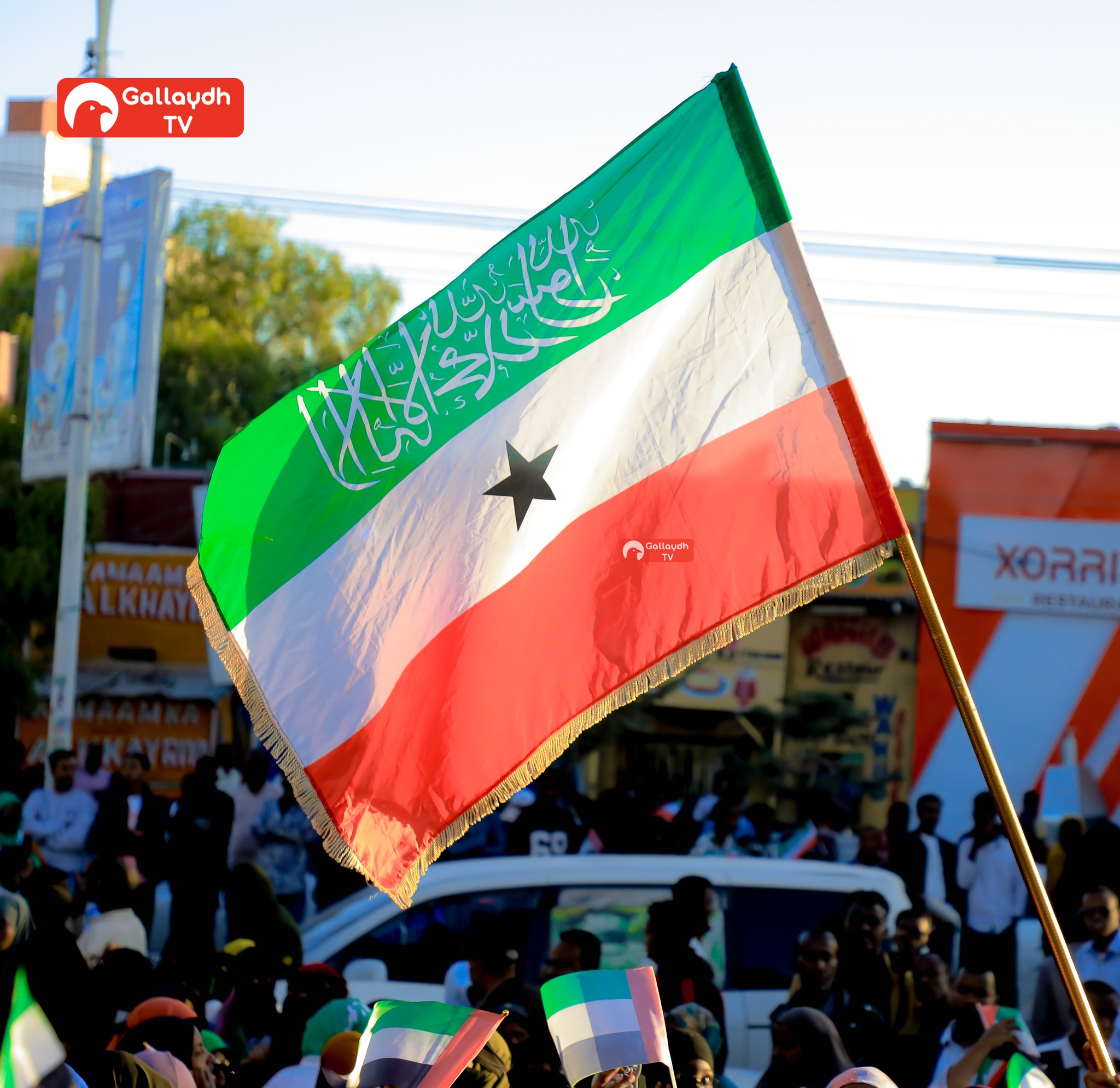
Since last week of December 2025, when the State of Israel re-recognised the Republic of Somaliland, a number of regional and Arab states have openly opposed this development. Notably, many of these same actors have historically posed the greatest political and diplomatic challenges to Somaliland over the past decades. While some present themselves as neutral or even friendly, others have explicitly declared their intention to prevent Somaliland from attaining international recognition.
In the results of Israel’s decision, it’s opposition has taken several forms. Some states have intensified efforts to destabilize Somaliland internally, while others have sought to exert diplomatic pressure on countries perceived to be considering similar steps. This raises a central question; why does the Republic of Somaliland’s re-recognition provoke such resistance?
Several key factors help explain this opposition;
First, the Republic of Somaliland stands out as a genuinely democratic polity in a region where democratic governance remain non-existent. It’s leaders are chosen through competitive, free and fair elections. Democratic practices in Somaliland dates back in 1950s, during the British protectorate, when it’s first legislative body was elected. Since, the introduction of multiparty system in Somaliland two decades back, the country has conducted nearly ten nationwide, one-person-one-vote elections. By contrast, many of the countries opposing Somaliland’s re-recognition lack democratic systems altogether, with some having been ruled by the same leadership for decades without meaningful electoral competition.
Second, Somaliland has emerged as a rare example of peace, stability, and effective state-building achieved with minimal external financial support. It’s peacebuilding and governance professes have been largely locally driven and locally funded, fostering strong domestic ownership and legitimacy. This model contrasts sharply with state-building efforts elsewhere in the region, including Somalia, that rely heavily on external intervention and assistance.
Third, Somaliland’s strategic geographic location significantly elevates it’s geopolitical importance. Situated along a critical corridor linking the Indian Ocean to the Redsea via Bab el-Mendab strait, Somaliland occupies a position central to global trade routes and regional security architecture. For some opposing states, Somaliland’s control over and stability in this strategic space is perceived not not as an asset to regional security, but as a potential challenge to their own economic interests.
Ultimately, however, the core reason for opposition to Somaliland’s re-recognition is neither Security-based nor rooted in other African interest. Rather, it reflects a deeper ideological contest. The Republic of Somaliland’s democratic governance represents a direct challenge to authoritarian systems prevalent in parts of the region and beyond. In this sense, the resistance of Somaliland’s re-recognition is part of broader struggle between authoritarianism and democracy in East Africa and Middle East.
As a stable, democratic, and self-governing polity, the Republic of Somaliland embodies values aligned with the free and democratic world. Full international recognition would not only acknowledge historical and legal realities, but would also serve as a wise and principles response to the growing geostrategic influence of authoritarian governments in the region.
About the Author:
Amb. Barkhad M. Kaariye, PhD – The former Charge d’affaires of the Republic of SomaliAffa’s Embassy to Ethiopia (2019-2024). He is now serving as the Secretary of Foreign Affairs of KAAH Party in Somaliland. He can be reached out to bkaariye104@gmail.com
The views expressed in this article are the author’s own and do not necessarily reflect the Horndiplomat editorial policy.
If you want to submit an opinion piece or an analysis, please email it to Opinion@horndiplomat.com
Horndiplomat reserves the right to edit articles before publication. Please include your full name, relevant personal information and political affiliations