
By: Ahmed I Abdi
Introduction
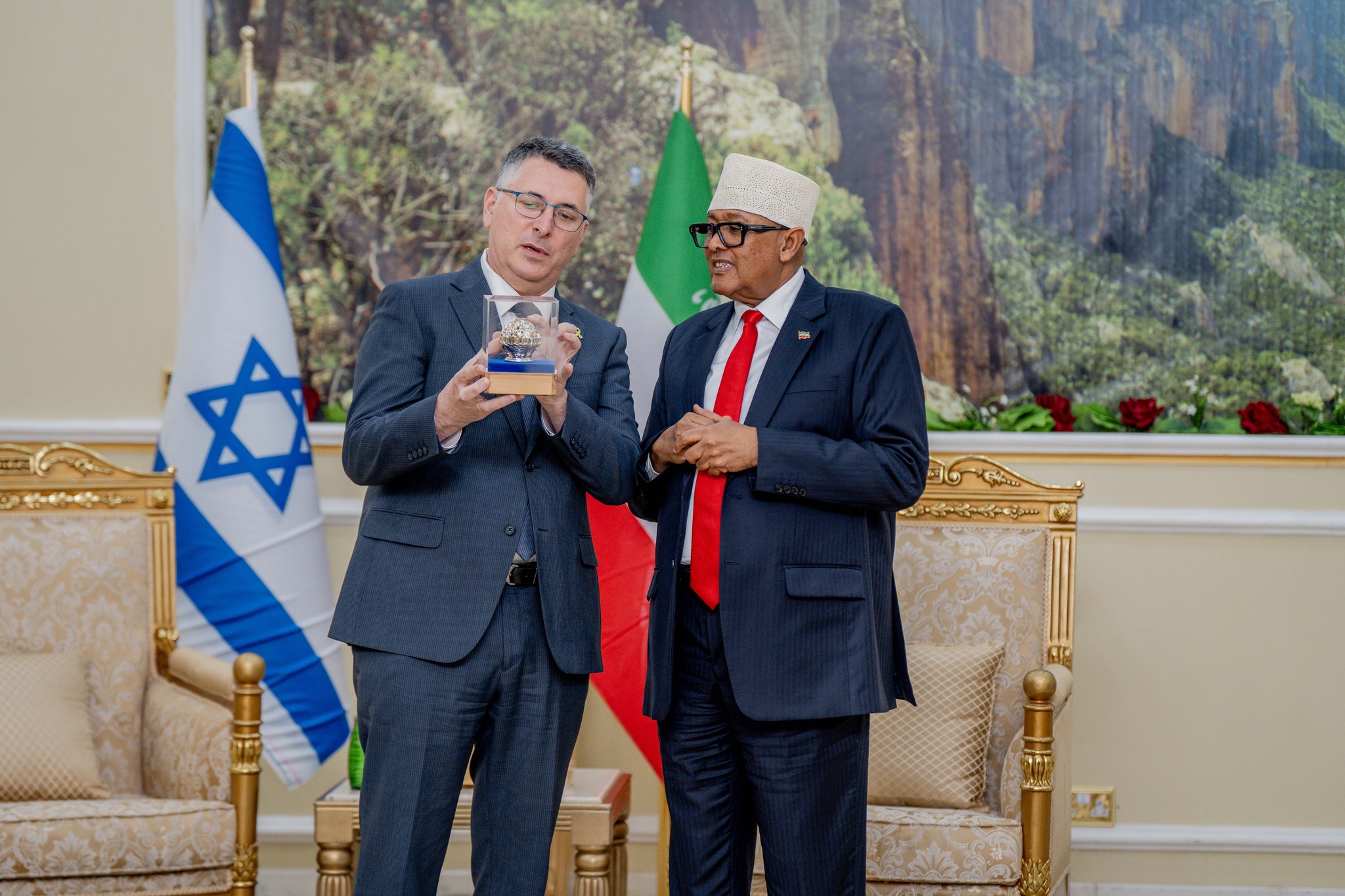
The Republic of Somaliland has pursued international recognition since regaining sovereignty in 1991. Despite maintaining peace, democratic governance, and institutional continuity for more than three decades, Somaliland remained diplomatically unrecognized by any United Nations member state until Israel’s formal recognition on 26 December 2025.
This recognition represents a historic turning point with profound implications beyond symbolic diplomacy. It directly affects Somaliland’s economic prospects and infrastructure development, which have historically been constrained by the lack of legal international status.
Recognition as an Economic Turning Point
International recognition plays a decisive role in shaping a country’s economic trajectory by influencing investor confidence, access to finance, and participation in global economic systems. Israel’s recognition provides external validation of Somaliland’s statehood, governance capacity, and political stability. This validation reduces perceptions of political and sovereign risk that have long discouraged foreign direct investment (FDI), long-term infrastructure financing, and formal trade agreements. Moreover, it establishes a precedent that signals to international investors, development partners, and multinational corporations that Somaliland is gradually entering formal economic networks!
Historically, Somaliland’s economy has relied on livestock exports, diaspora remittances, and small-scale trade and services. While these sectors have sustained resilience, they have limited structural transformation and industrial diversification. Israel’s recognition has the potential to improve investor confidence, encourage joint ventures, and promote technology-driven economic diversification. Israeli firms, recognized for innovation in agriculture, water management, logistics, fintech, and advanced technologies, may increasingly view Somaliland as an emerging frontier market with strategic geographic advantages, particularly its proximity to major shipping routes. This engagement could stimulate private-sector-led growth in sectors relying on technical expertise and innovation rather than heavy industrial infrastructure!
Recognition also facilitates the negotiation of bilateral trade agreements, investment protection frameworks, and technical cooperation arrangements, enabling Somaliland to pursue formal trade relations with Israel and potentially attract additional partners encouraged by this diplomatic precedent. It introduces Somaliland into new trade and investment corridors linking the Horn of Africa with the Middle East and Western markets while reinforcing its credibility as a responsible trading entity capable of enforcing contracts, regulating commerce, and safeguarding investments!
Investors and financial institutions respond strongly to signals of stability. Israel’s recognition signals that Somaliland possesses effective governance, durable institutions, and control over its territory. This encourages risk analysts to reassess Somaliland’s country’s risk profile and enables financial institutions to consider it as a potential frontier market. Recognition opens avenues for bilateral financial cooperation, including regulatory dialogue between central banks. Israeli banks and fintech firms could serve as early financial gateways, facilitating trade finance, letters of credit, project finance, and modern cross-border payment systems, including mobile wallets and digital platforms!
Infrastructure is central to Somaliland’s long-term economic transformation. Roads, ports, energy systems, water infrastructure, and telecommunications underpin productivity, trade, and competitiveness. Lack of recognition historically constrained access to large-scale infrastructure financing, multilateral development projects, and long-term planning partnerships. Israel’s recognition creates new opportunities for bilateral infrastructure cooperation, particularly in sectors where Israel has global expertise, such as agriculture, water management, biotechnology, renewable energy, and human capital development!
The Port of Berbera in the Sahil Region is Somaliland’s most strategic economic asset. Ongoing expansion, supported by DP World, aims to transform Berbera into a major regional maritime and logistics hub serving Somaliland and landlocked Ethiopia. Israel’s recognition, and the potential for additional recognitions, enables more predictable planning for trade corridors, transport networks, and regional connectivity, strengthening Somaliland’s role as a transit economy in the Horn of Africa. Furthermore, Israel’s expertise in water recycling, desalination, efficient irrigation, and renewable energy offers Somaliland practical solutions to chronic challenges in water scarcity and energy access, supporting urban development, agricultural productivity, and industrial growth!
Conclusion
Israel’s recognition of the Republic of Somaliland represents a pivotal moment in its long-standing pursuit of international legitimacy and economic development. More than a diplomatic gesture, it functions as a strategic enabler, reshaping how Somaliland is perceived in international economic, financial, and investment circles. By enhancing investor confidence, reducing perceived political risk, and opening pathways for infrastructure cooperation, the recognition strengthens Somaliland’s capacity to attract private-sector participation and foster bilateral development in critical sectors such as ports, transport, water and energy systems, agriculture, and digital infrastructure!
If Somaliland leverages this momentum through sound economic policy, institutional strengthening, and strategic investment planning, it can translate political stability into tangible economic progress and long-term infrastructure development. In this context, Israel’s recognition is not an endpoint but a foundational step toward broader economic integration and enduring development! It is a catalyst for sustainable economic growth and infrastructure modernization!
Ahmed I Abdi , BBA Finance, MSc Banking, CIFP, Financial and Politics analyst
X Account @Ahmed I Abdi