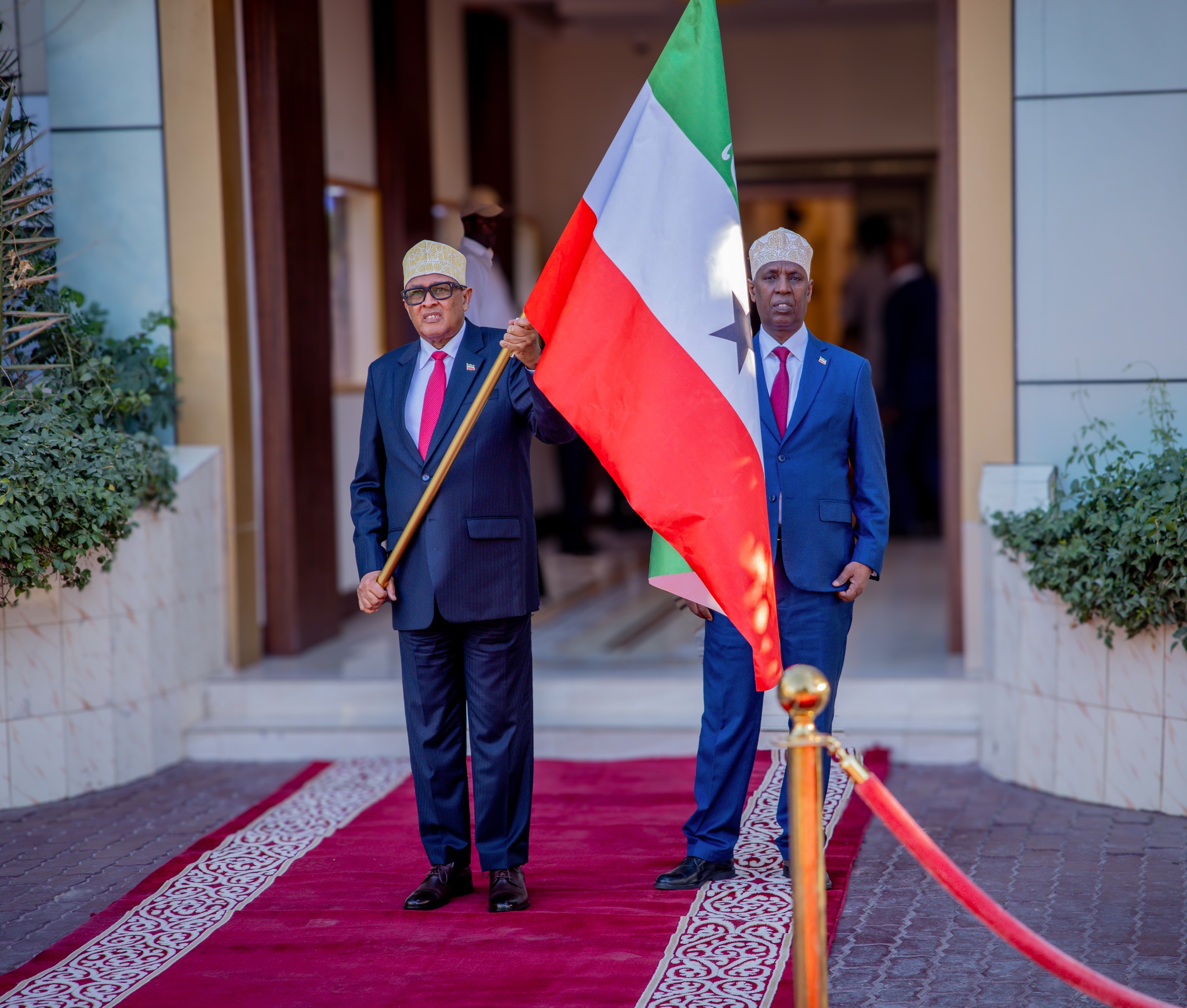
For the people of Somaliland, recognition has never been about a single announcement or a dramatic turning point. It has been a long and patient journey shaped by sacrifice, reconciliation, and the quiet rebuilding of a state when few believed it possible.
Israel’s decision to formally recognise Somaliland as an independent and sovereign state is therefore not a surprise to those who have followed Somaliland’s path closely. It confirms what has existed in practice for more than three decades: a functioning and peaceful polity that governs itself, secures its territory, and enjoys the consent of its people.
Israel was among the countries that recognised Somaliland’s independence in 1960, when Somaliland briefly emerged as a sovereign state following the end of British rule. That sovereignty was not lost through collapse or conquest, but through a voluntary union with Somalia that was never fully ratified and ultimately failed. The consequences of that failure are well documented.
Seen in this context, Israel’s recognition today is not the creation of something new. It is the restoration of a historical and legal reality that was interrupted, not extinguished. This distinction matters. It places Somaliland’s case firmly in the realm of restoration rather than secession, a point often blurred in international debate but well grounded in law and history.
For Somalilanders, this moment carries deep meaning. It validates decades of restraint, discipline, and belief in institutions rather than force. It honours communities that chose reconciliation over revenge, ballots over bullets, and governance over dependency.
Recognition does not change who Somaliland is. It does not suddenly create stability, democracy, or institutions. Those were built long ago, without recognition and often without external support. What recognition changes is alignment between reality on the ground and how the world chooses to engage with it.
For the younger generation in particular, this moment sends a quiet but powerful signal. It shows that patience matters, that civic responsibility counts, and that consistency, even when ignored, can still shape history.
Israel’s decision also carries a broader message for the international system. For years, global policy has struggled with a contradiction: rewarding fragile arrangements with endless attention while overlooking a peaceful, self governing society that meets every criterion of statehood. Somaliland challenges the assumption that recognition must follow conflict, crisis, or collapse. It offers a different model, one where legitimacy is earned through performance, consent, and time.
Recognition does not undermine regional stability. On the contrary, it reinforces the principle that peace, accountability, and effective governance still matter. In a region too often framed through instability, Somaliland has demonstrated that another path is possible.
This moment should not be mistaken for an endpoint. It is a signal to other states, institutions, and partners that the long standing policy of deferral deserves reconsideration. History suggests that recognition rarely moves all at once. It begins with one decision that allows others to reassess quietly. Israel’s step may prove to be such a moment.
For Somaliland, the responsibility ahead remains unchanged. It must continue to govern responsibly, engage calmly with its neighbours, and present its case with the same discipline that carried it this far. The difference today is simple but profound: the world has begun to listen.
Bashe Awil Omar is a diplomat and politician. He served as the Somaliland Representative to the UAE (from 2015-2018) and Kenya (from 2018-2021).
The views expressed in this article are the author’s own and do not necessarily reflect the Horndiplomat editorial policy.
If you want to submit an opinion piece or an analysis, please email it to Opinion@horndiplomat.com. Horndiplomat reserves the right to edit articles before publication. Please include your full name, relevant personal information, and political affiliations.