

By: Mohamed Duale
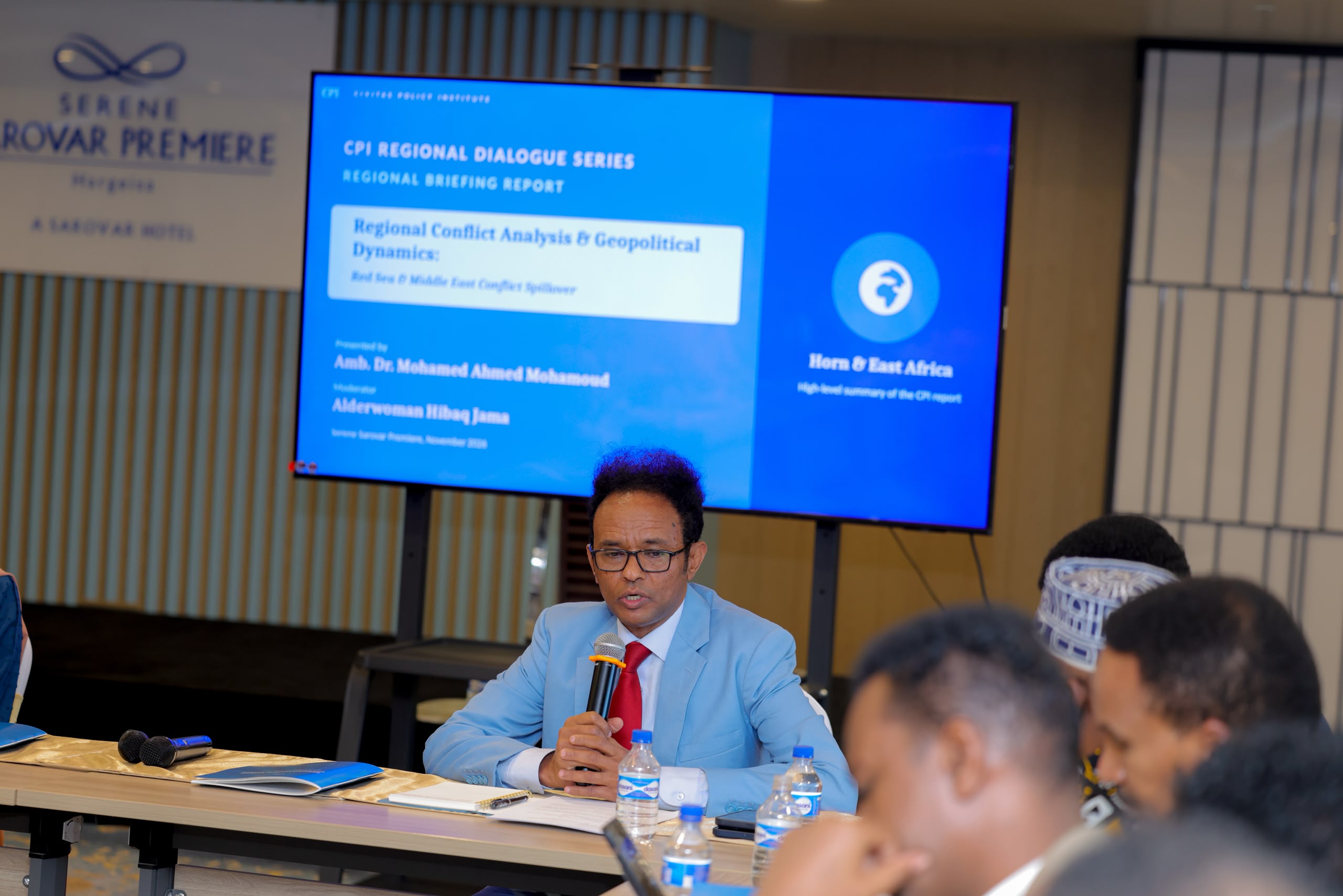
HARGEISA, Somaliland, Nov. 24 (Horndiplomat) — Israel’s recognition of Somaliland has intensified the geopolitical importance of the Horn of Africa region, and Somalia’s alliances are very upset about countering this strategic alliance between Somaliland and Israel. This recognition has also raised regional dynamics, with new alliances emerging in recent months, the head of the Civitas Policy Institute said at a roundtable regional briefing discussion in Hargeisa.
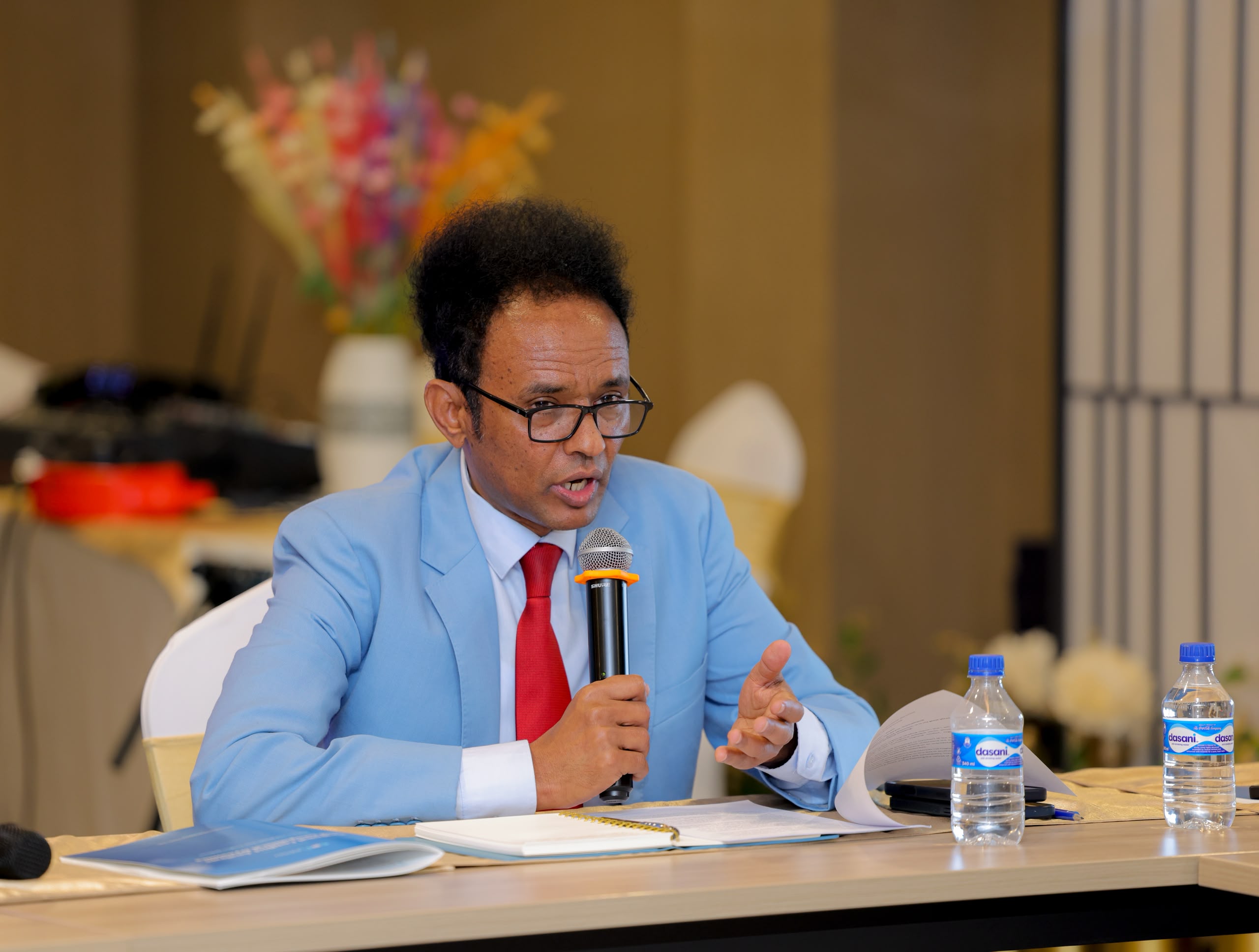
Amb. Mohamed, executive director of the Nairobi-based institute, described the recognition as “a major breakthrough in the regional and global geopolitical dynamics.” He said Somaliland was stepping up efforts to secure recognition from other countries after years of talks with Somalia failed to produce a comprehensive agreement.
“The political dispute between Somaliland and Somalia has become a major regional flashpoint, with each side building alliances that draw in a widening circle of external actors and proxy conflict,” Mohamed said in his remarks at the regional briefing meeting.
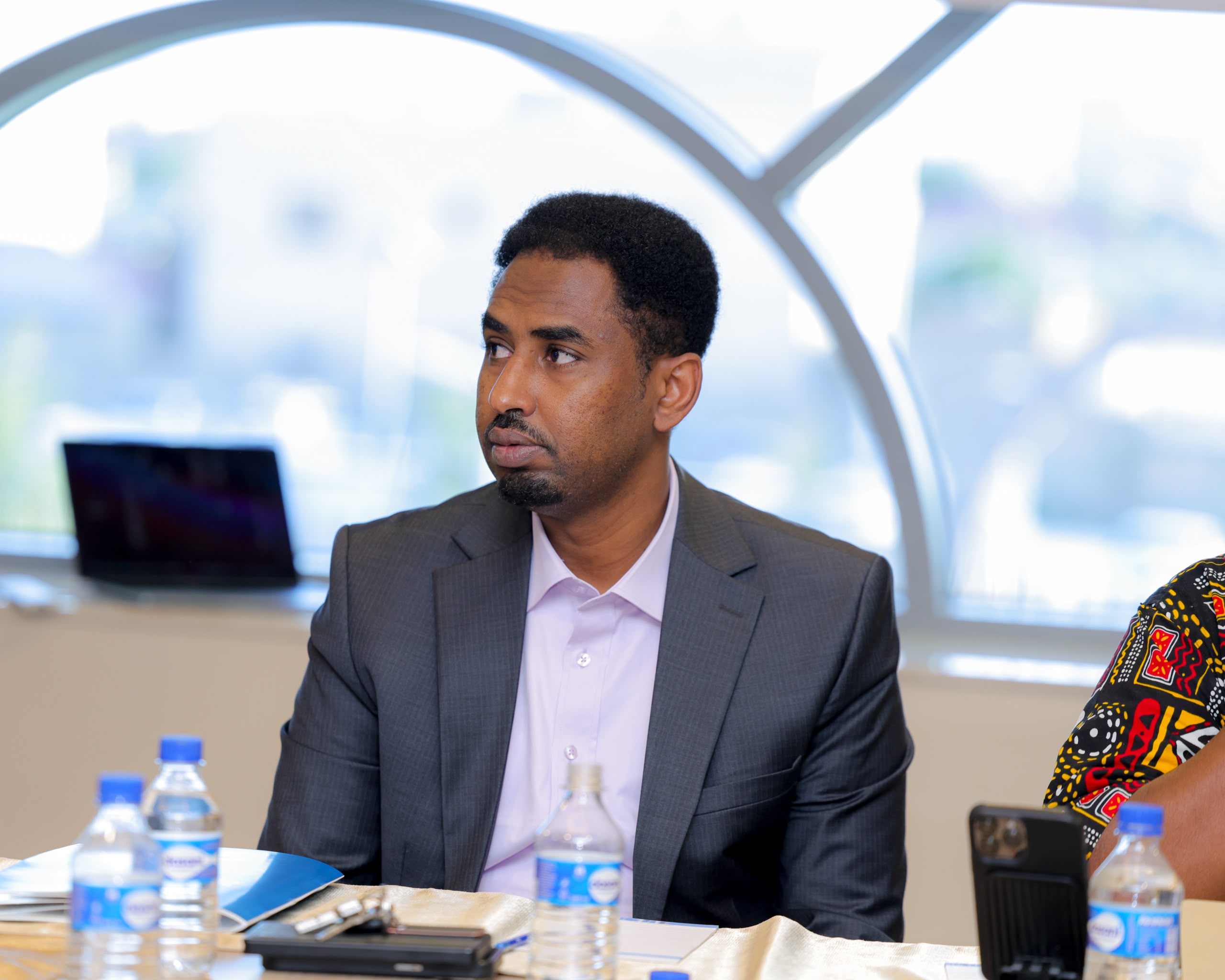
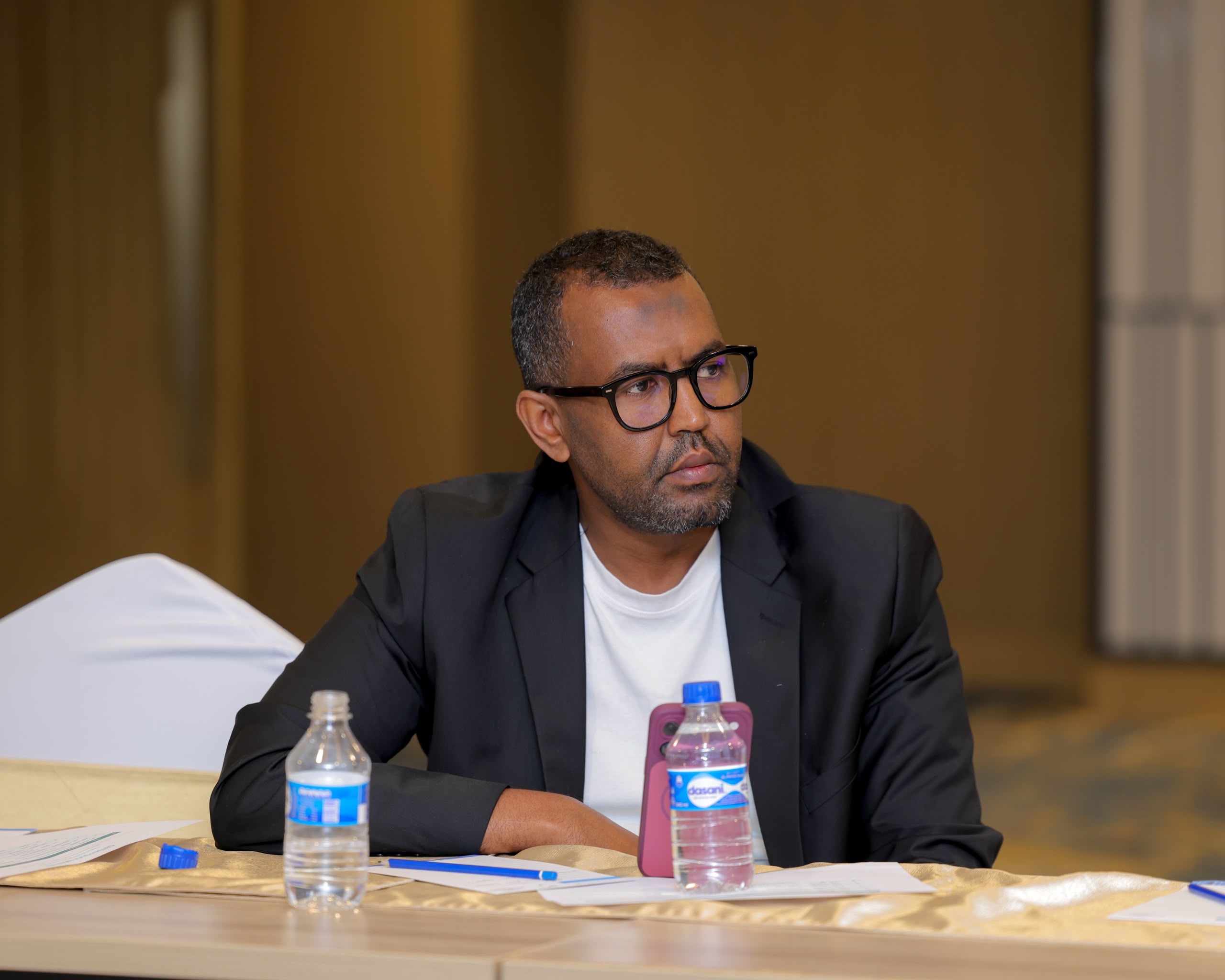
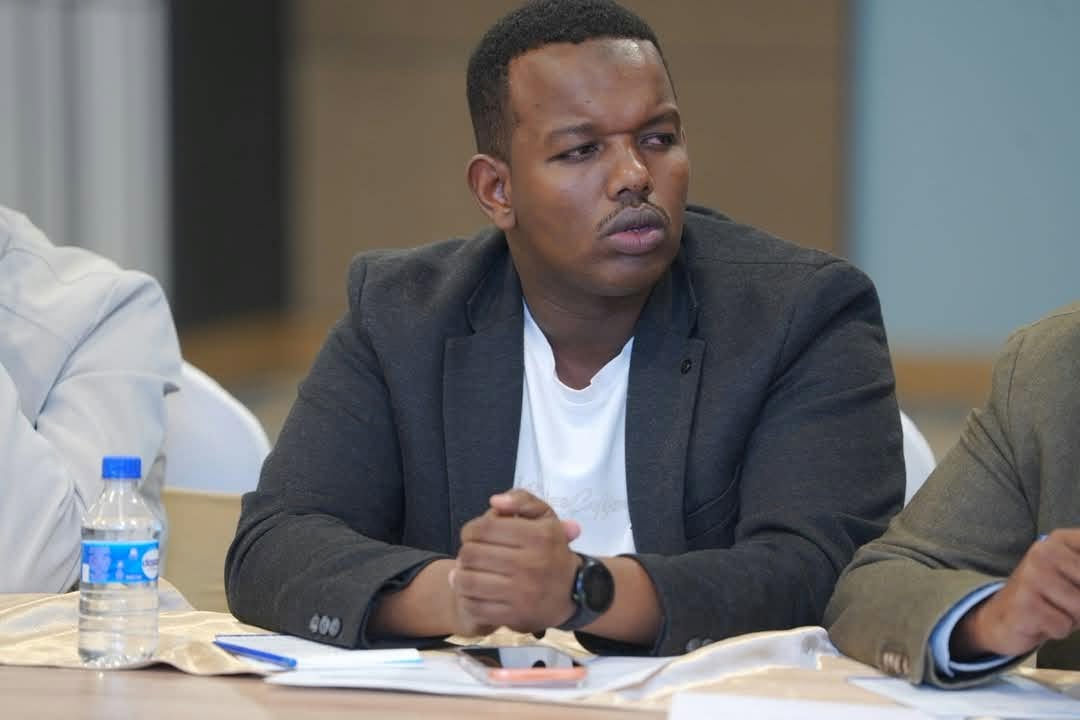
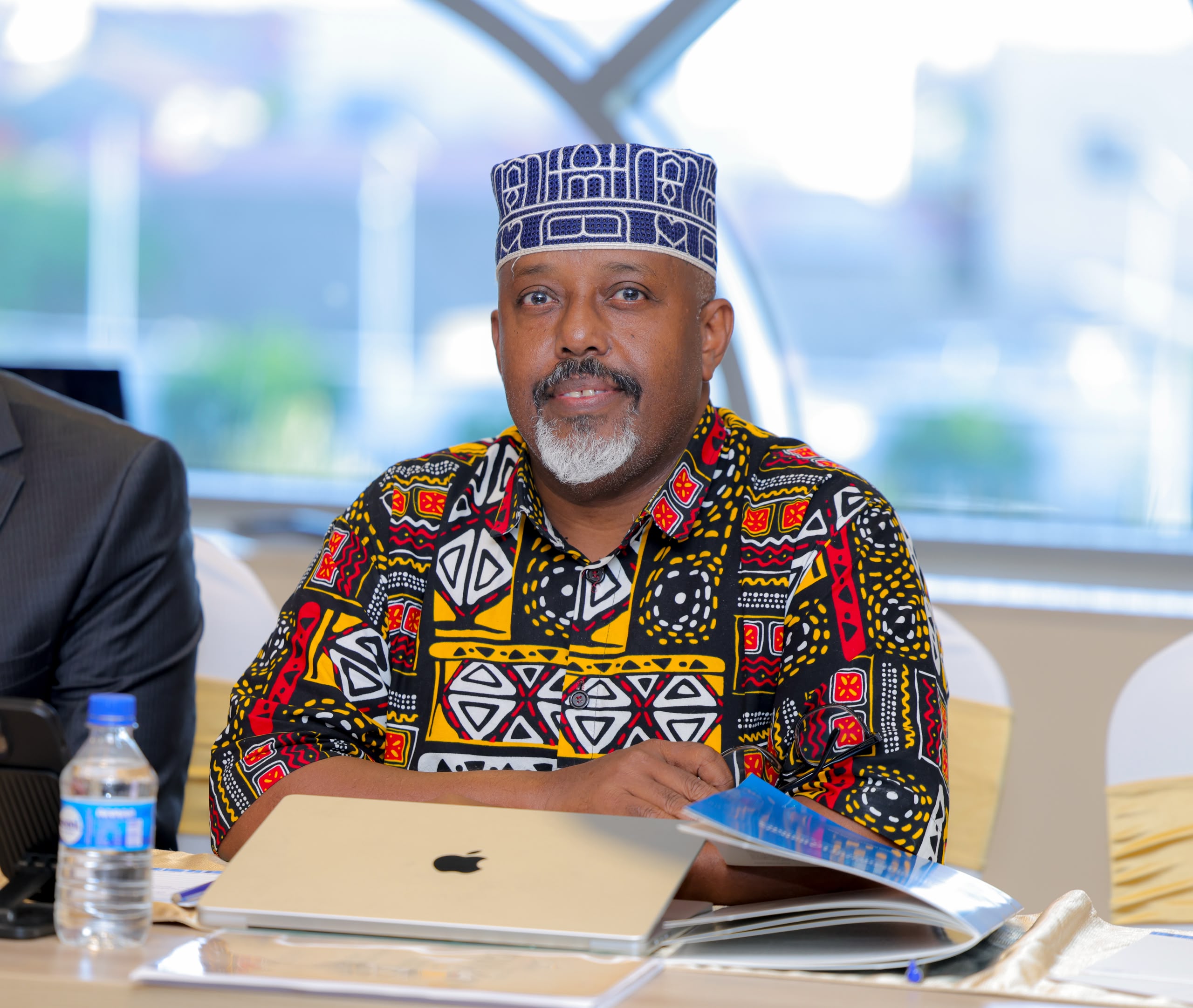
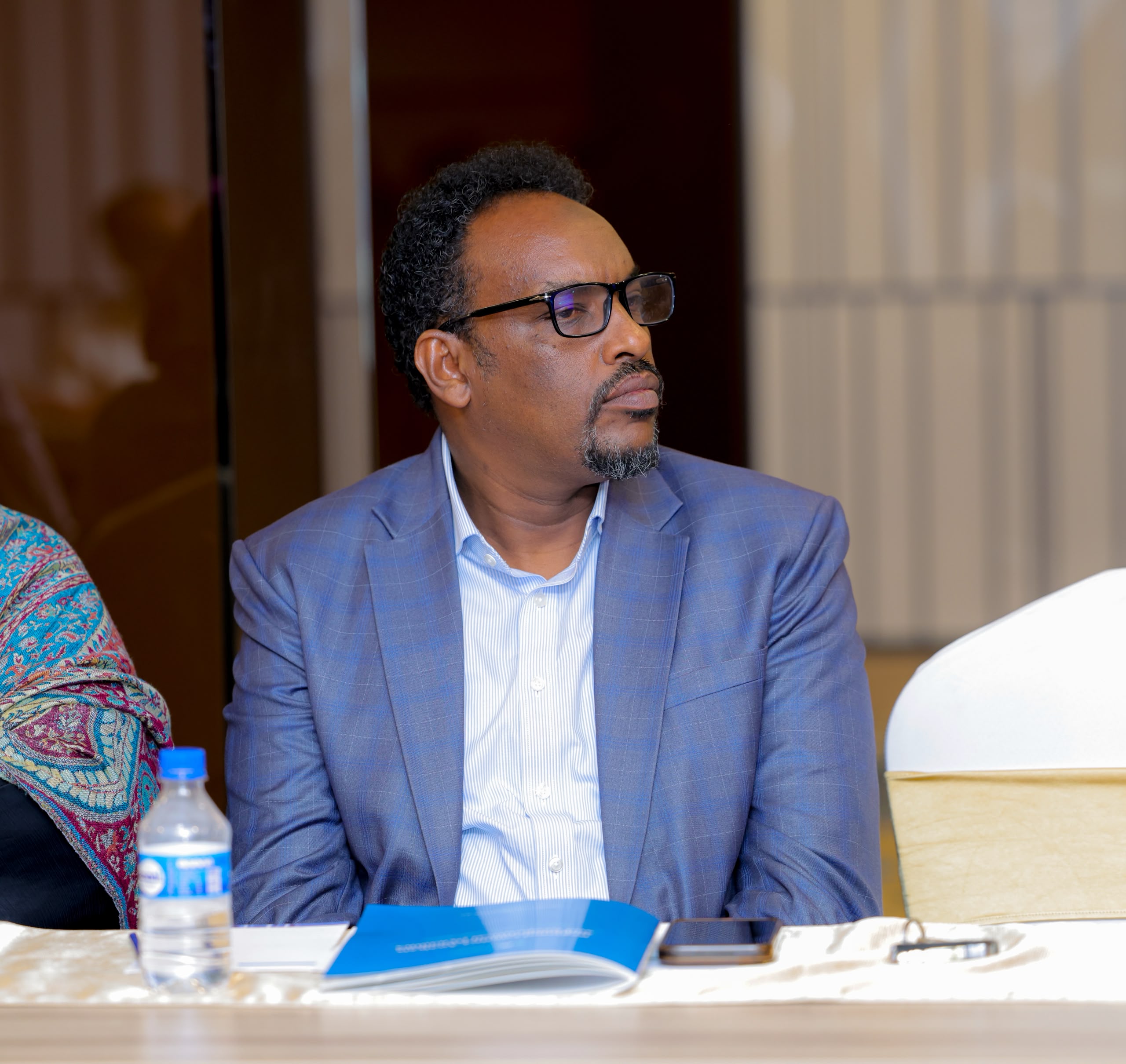
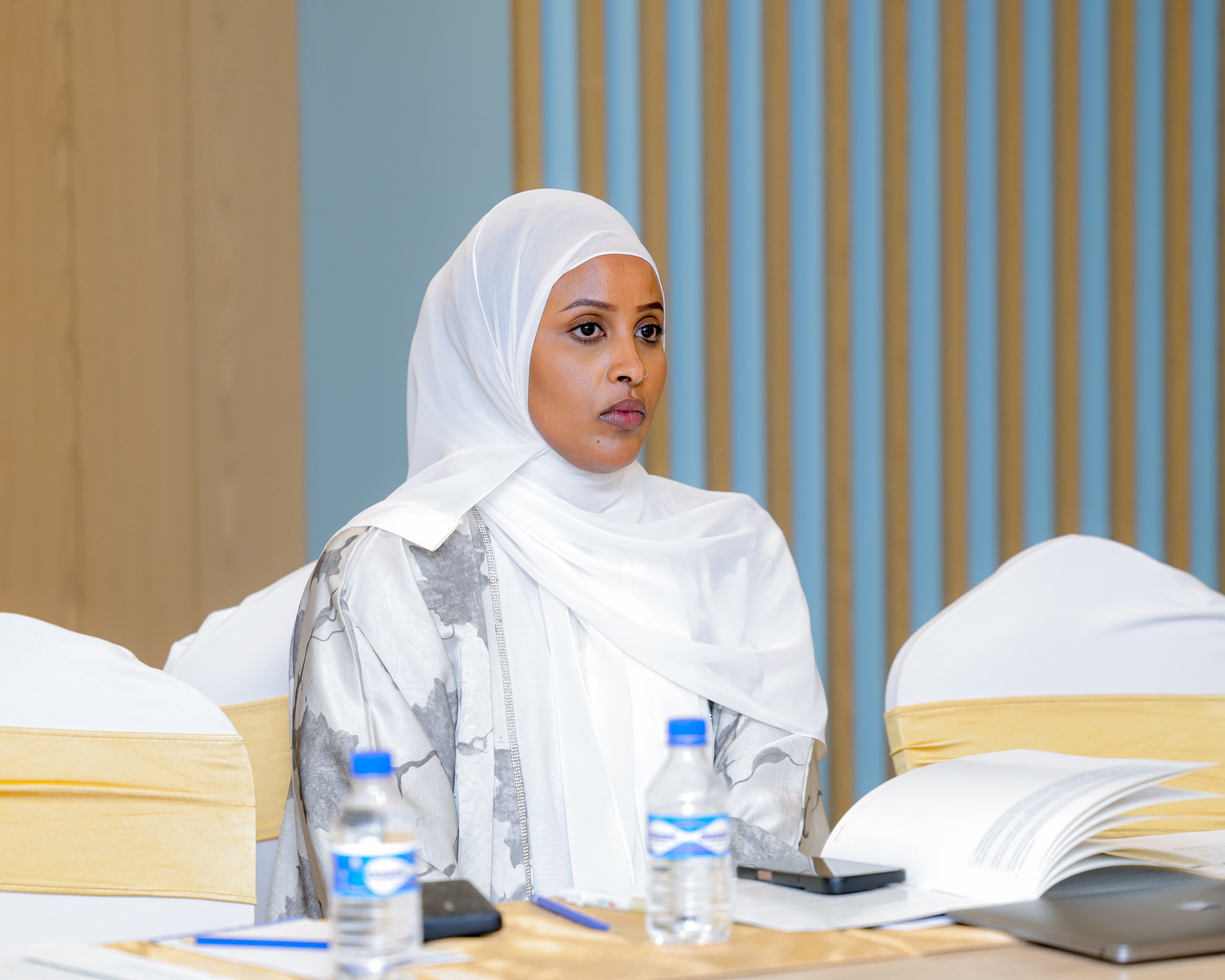
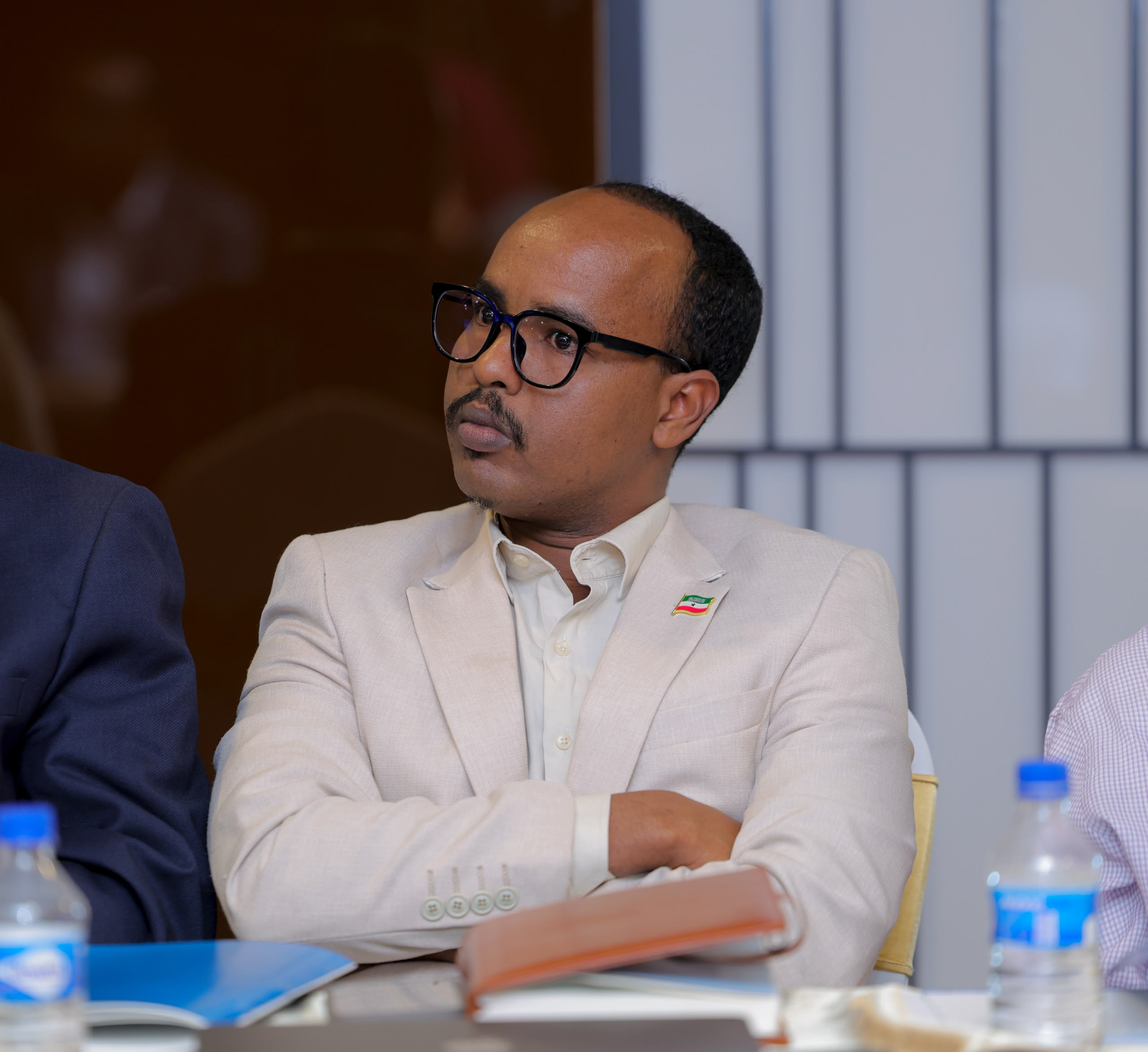
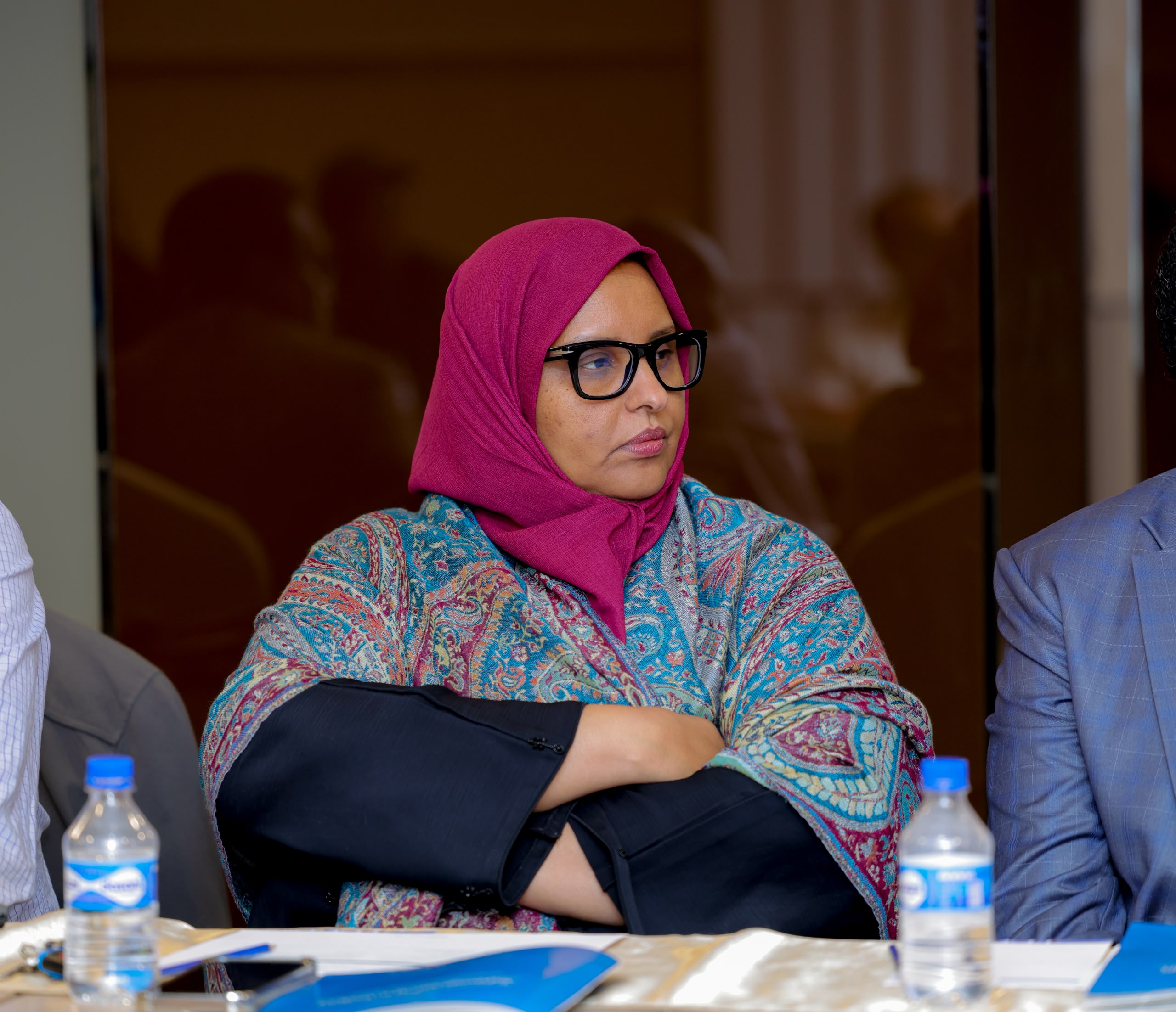
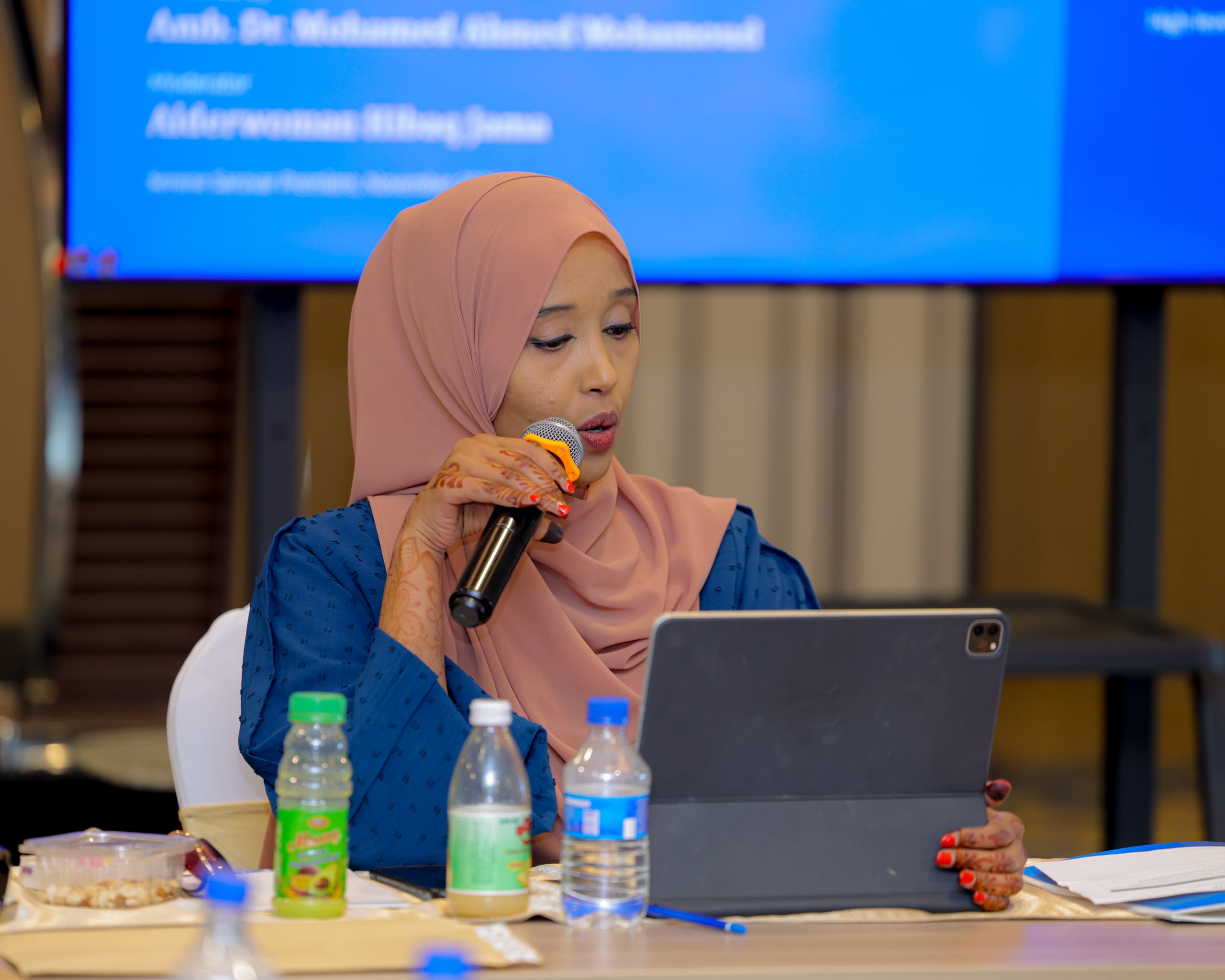
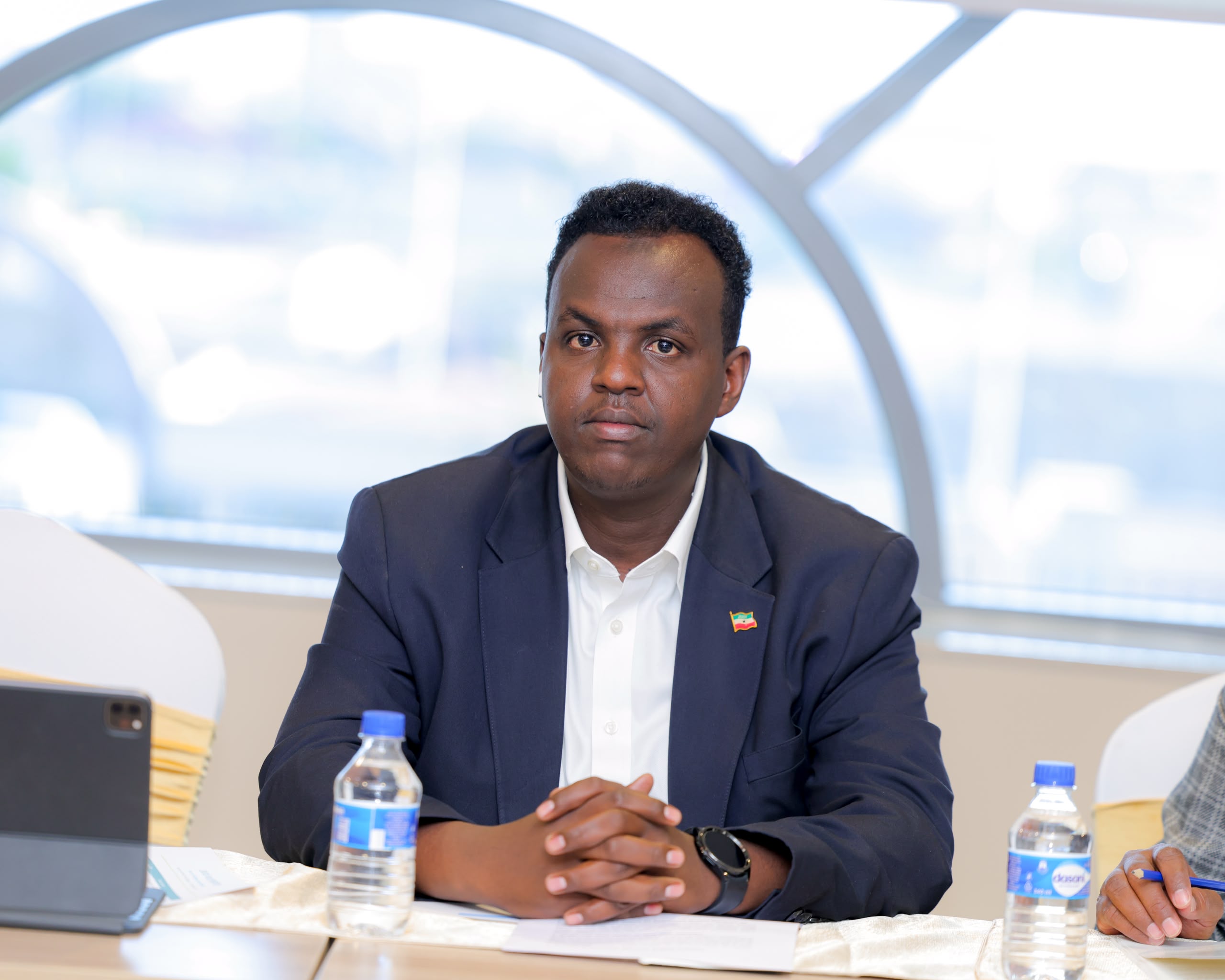
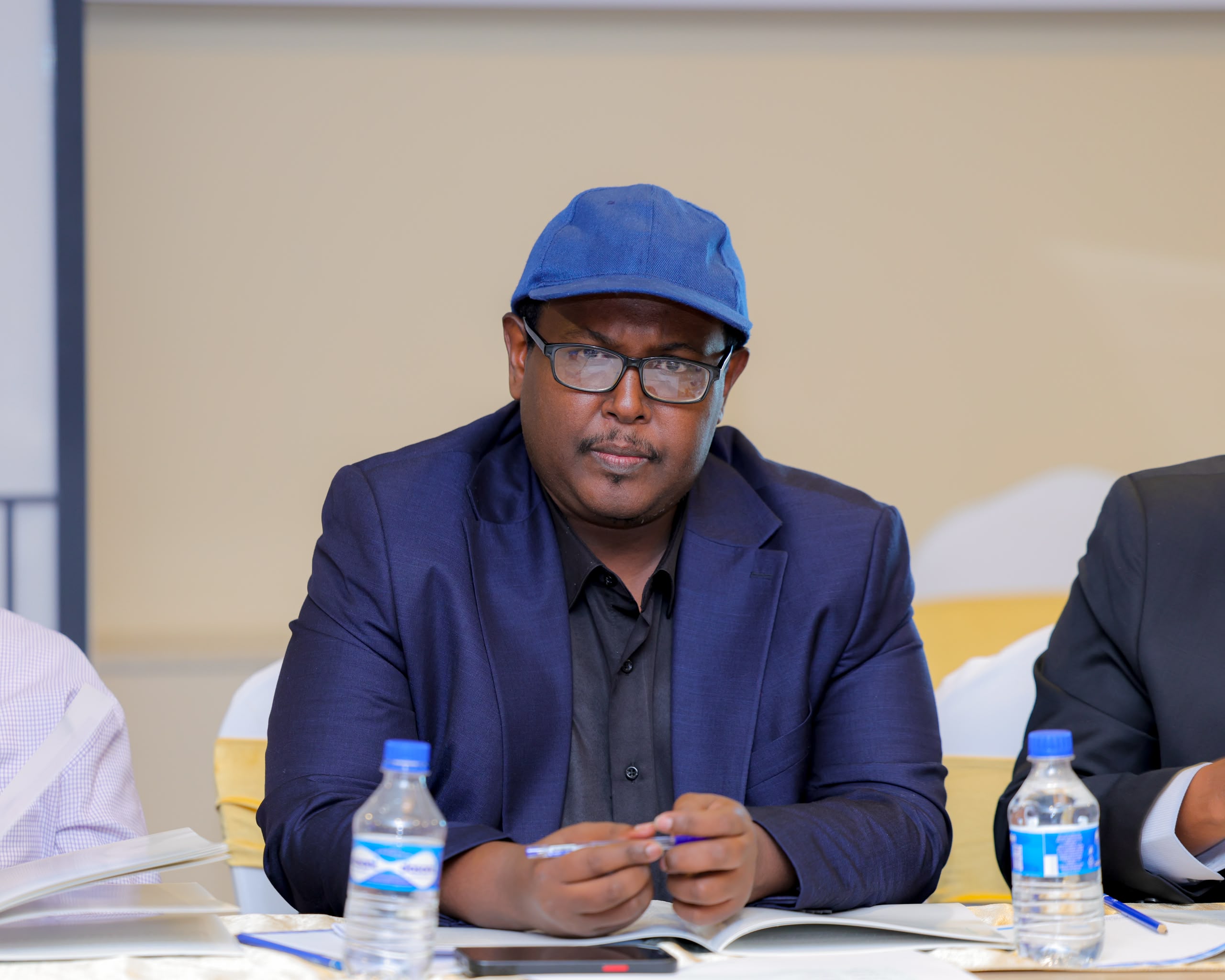
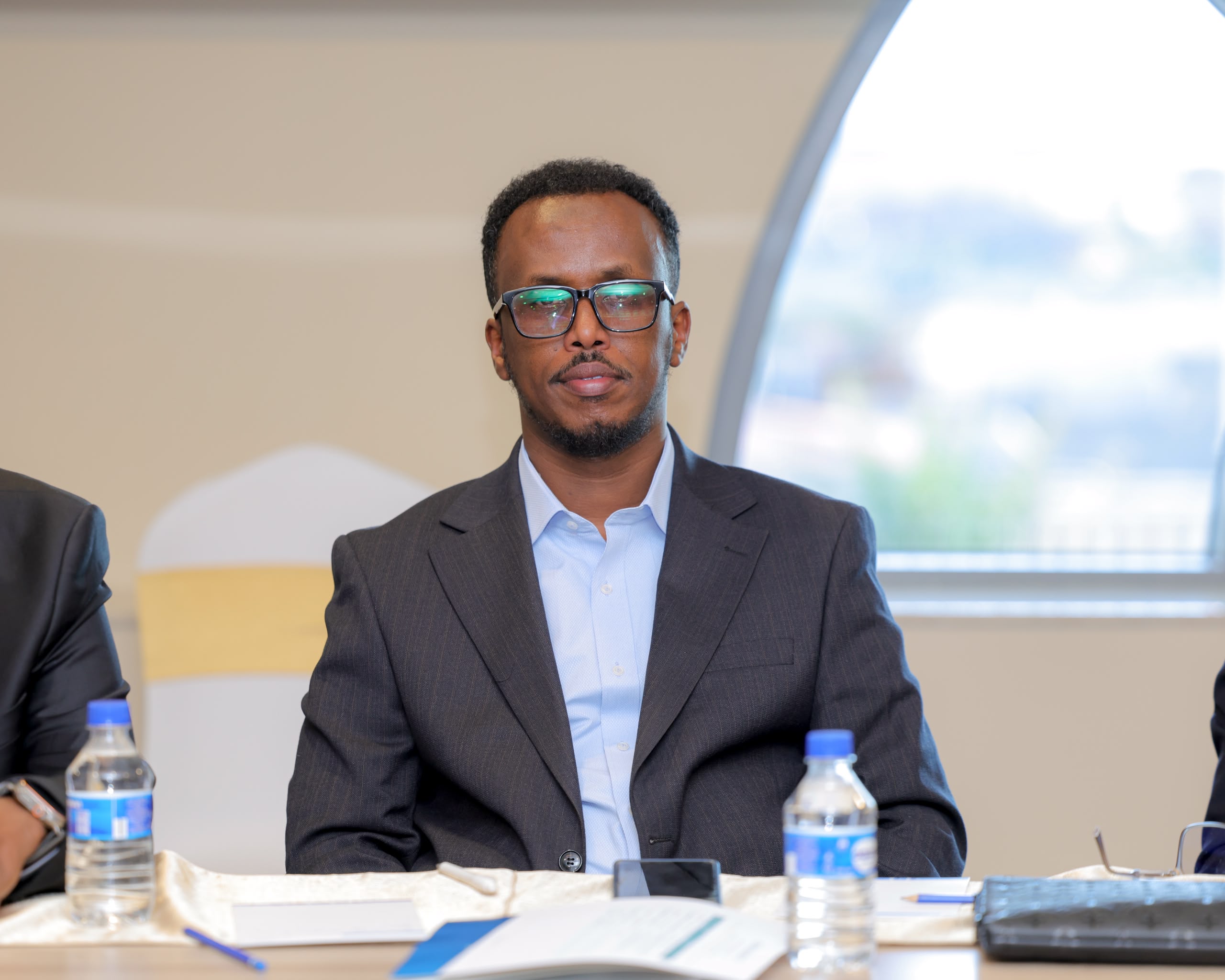
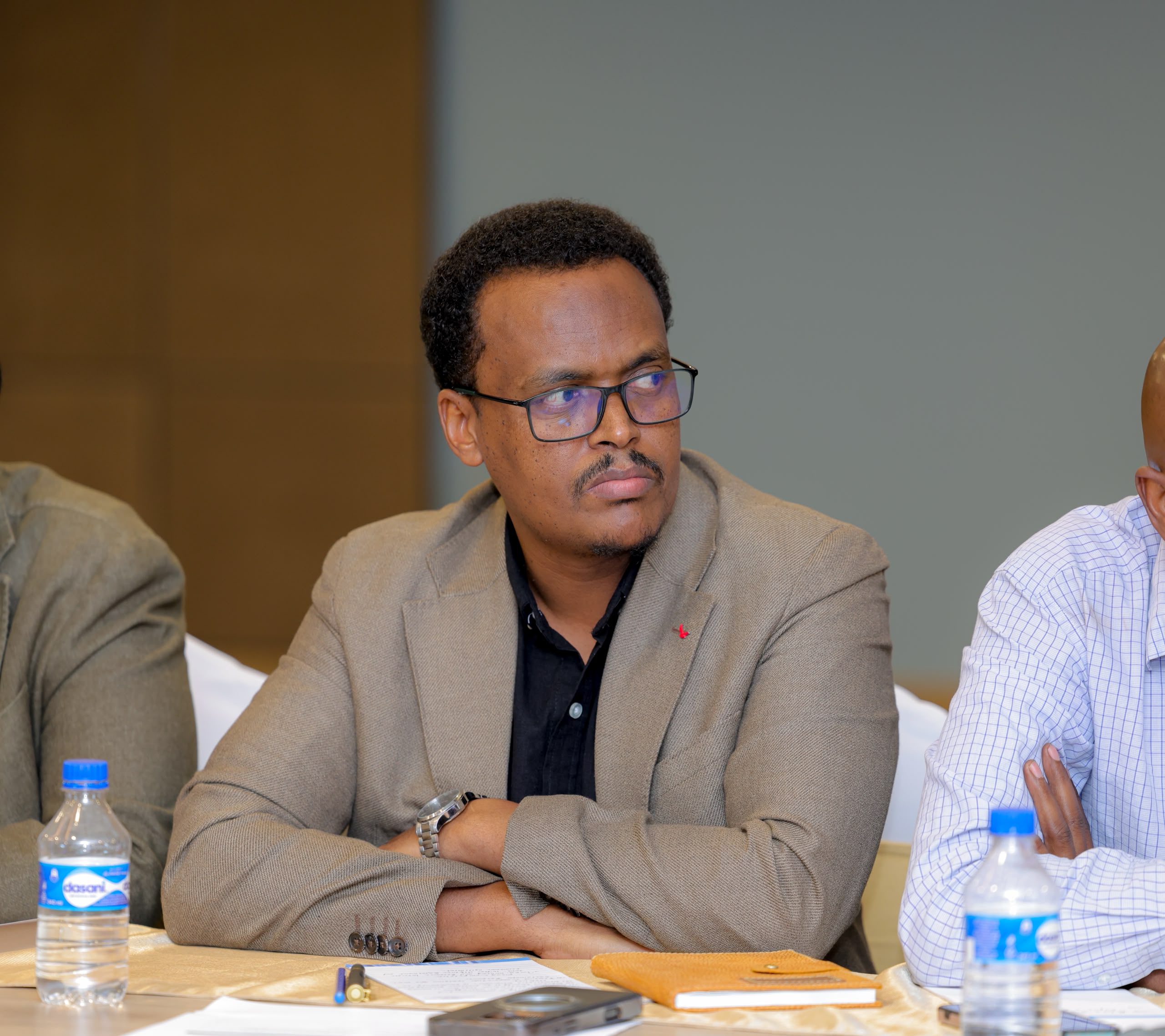
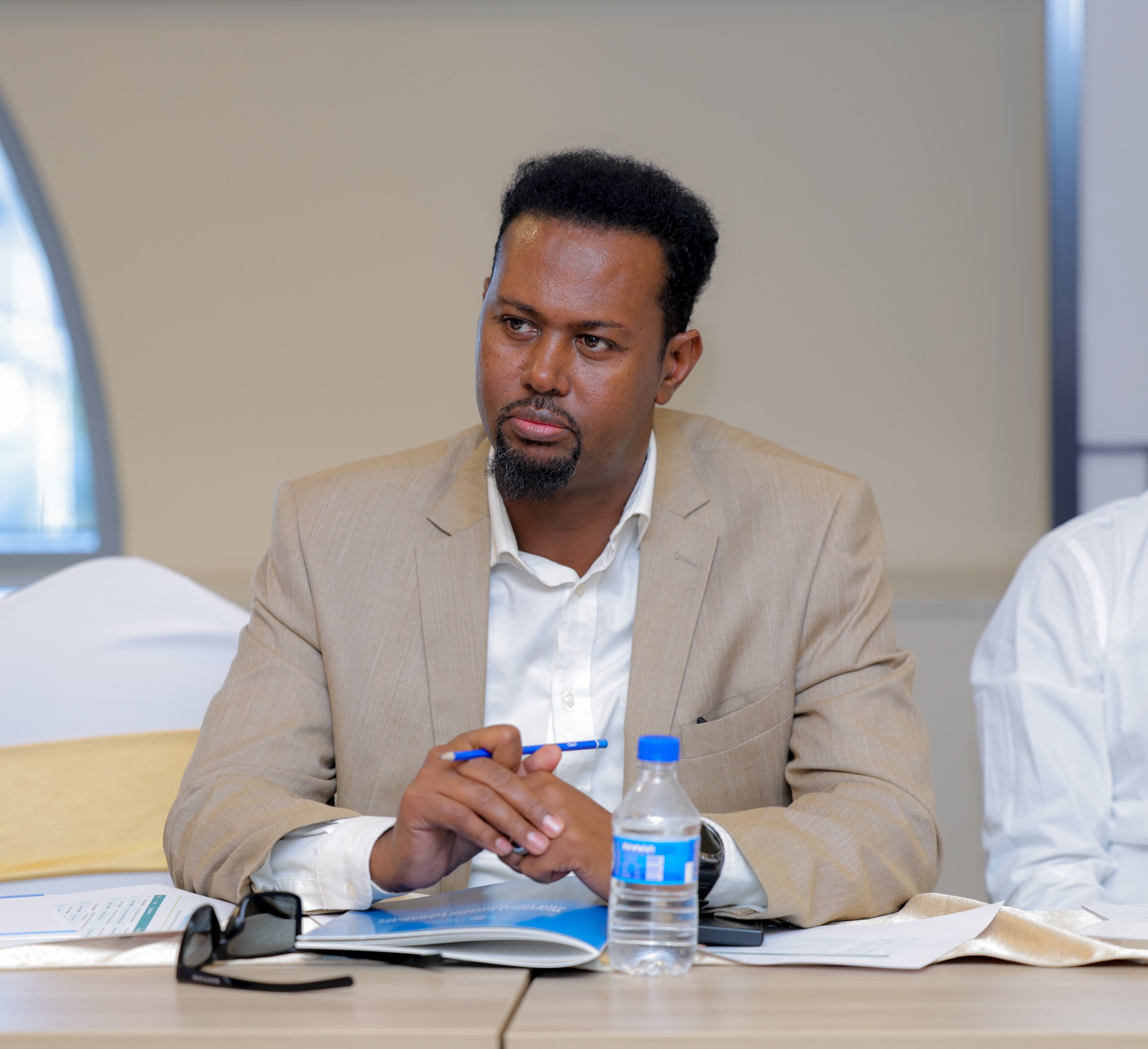
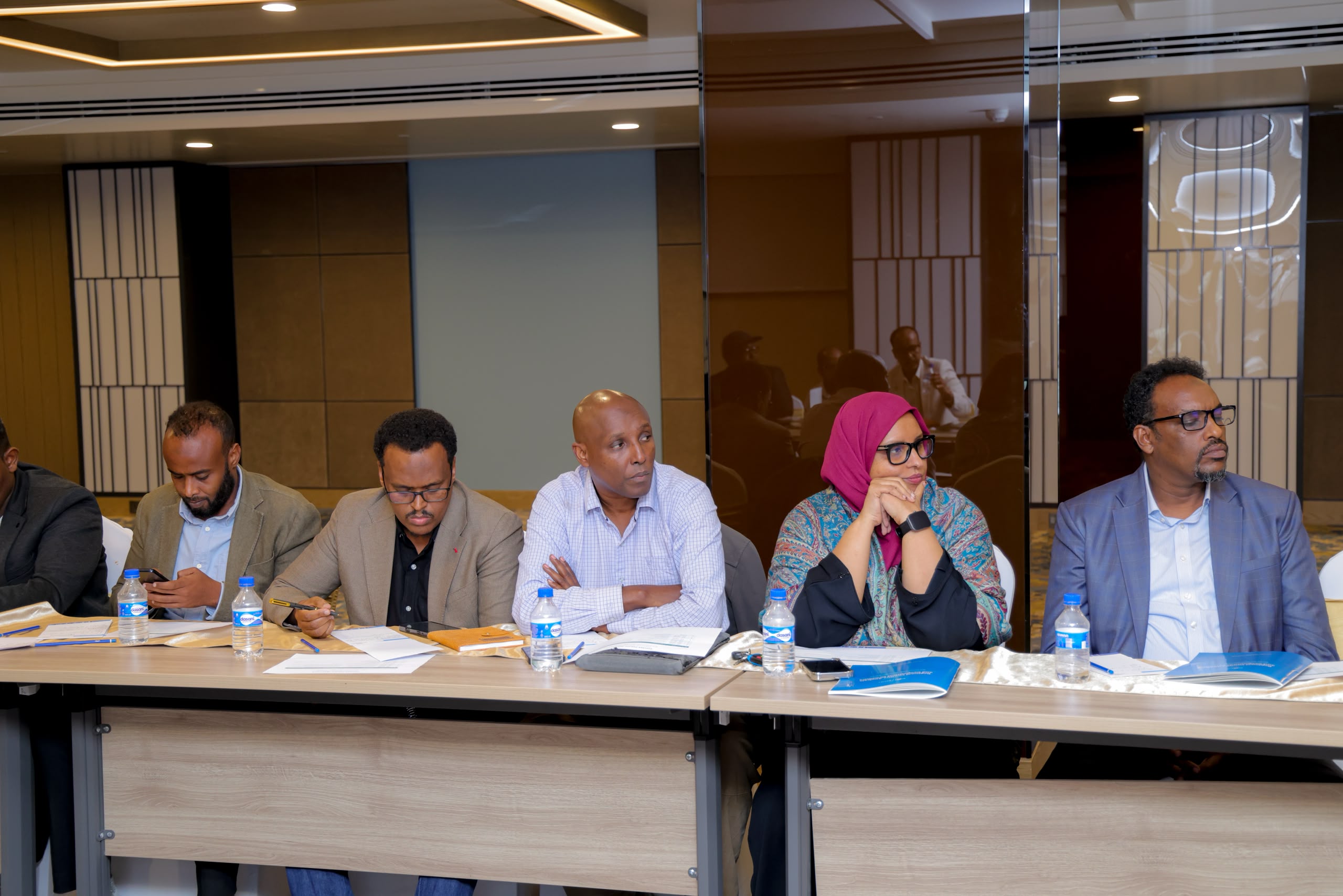
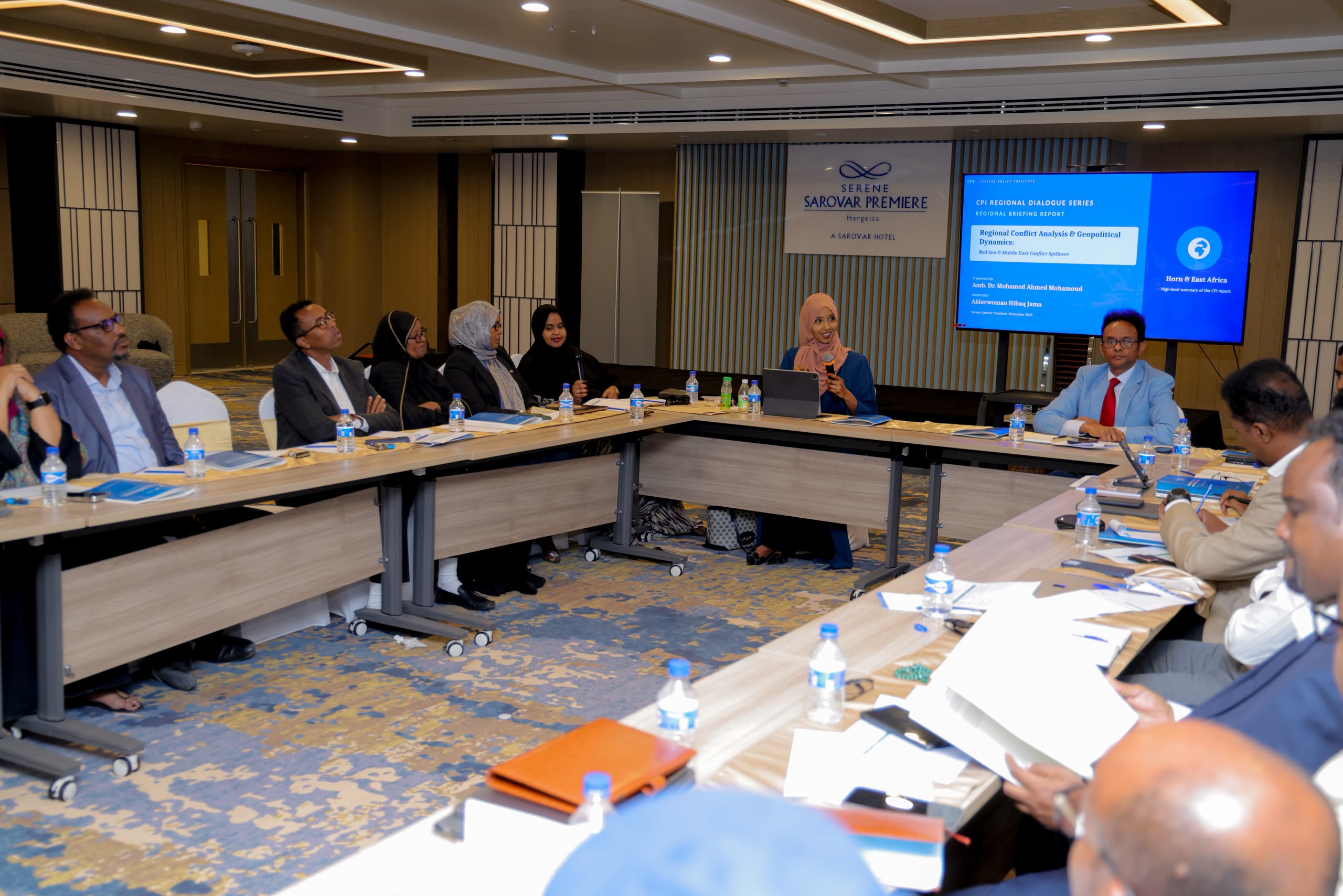
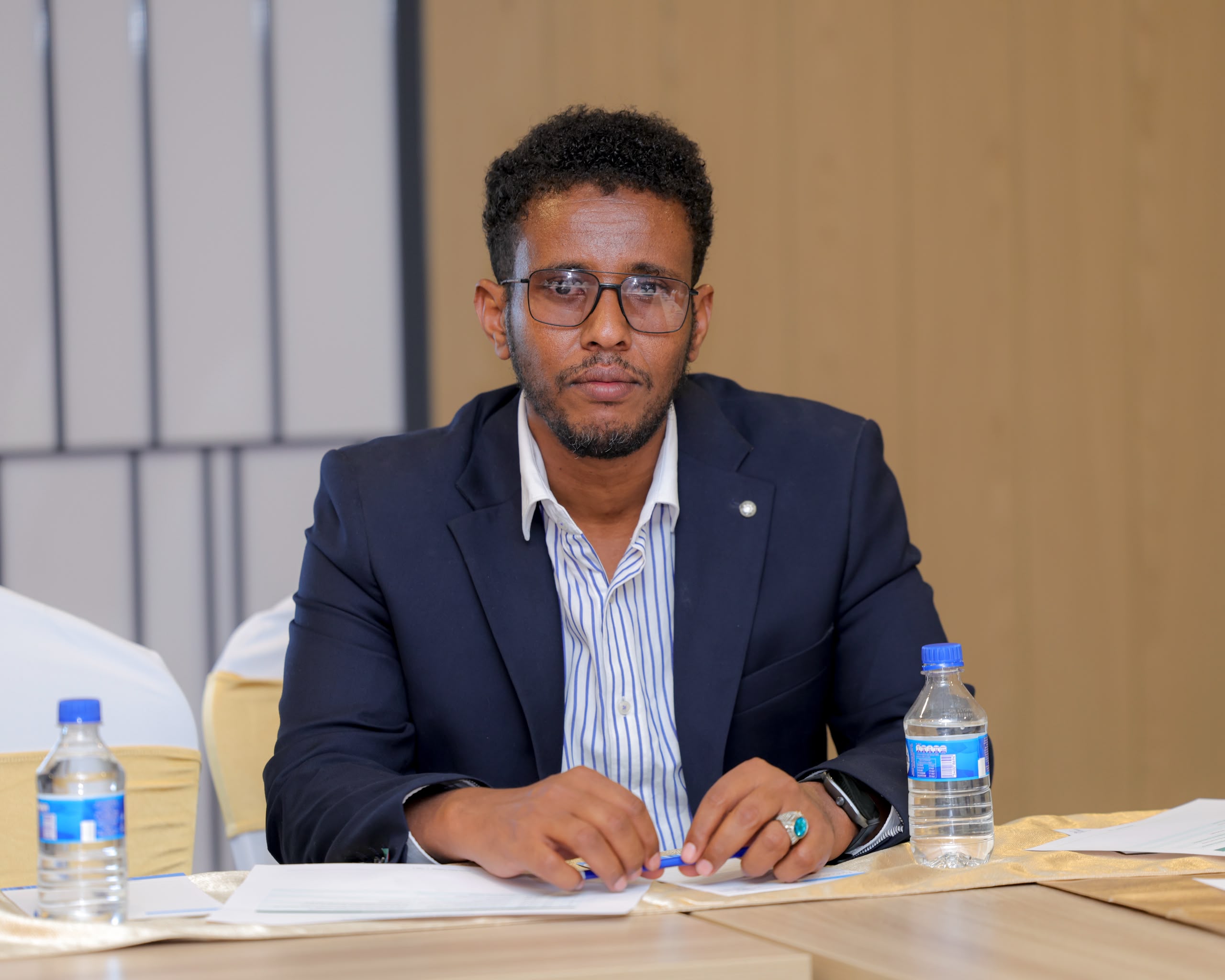
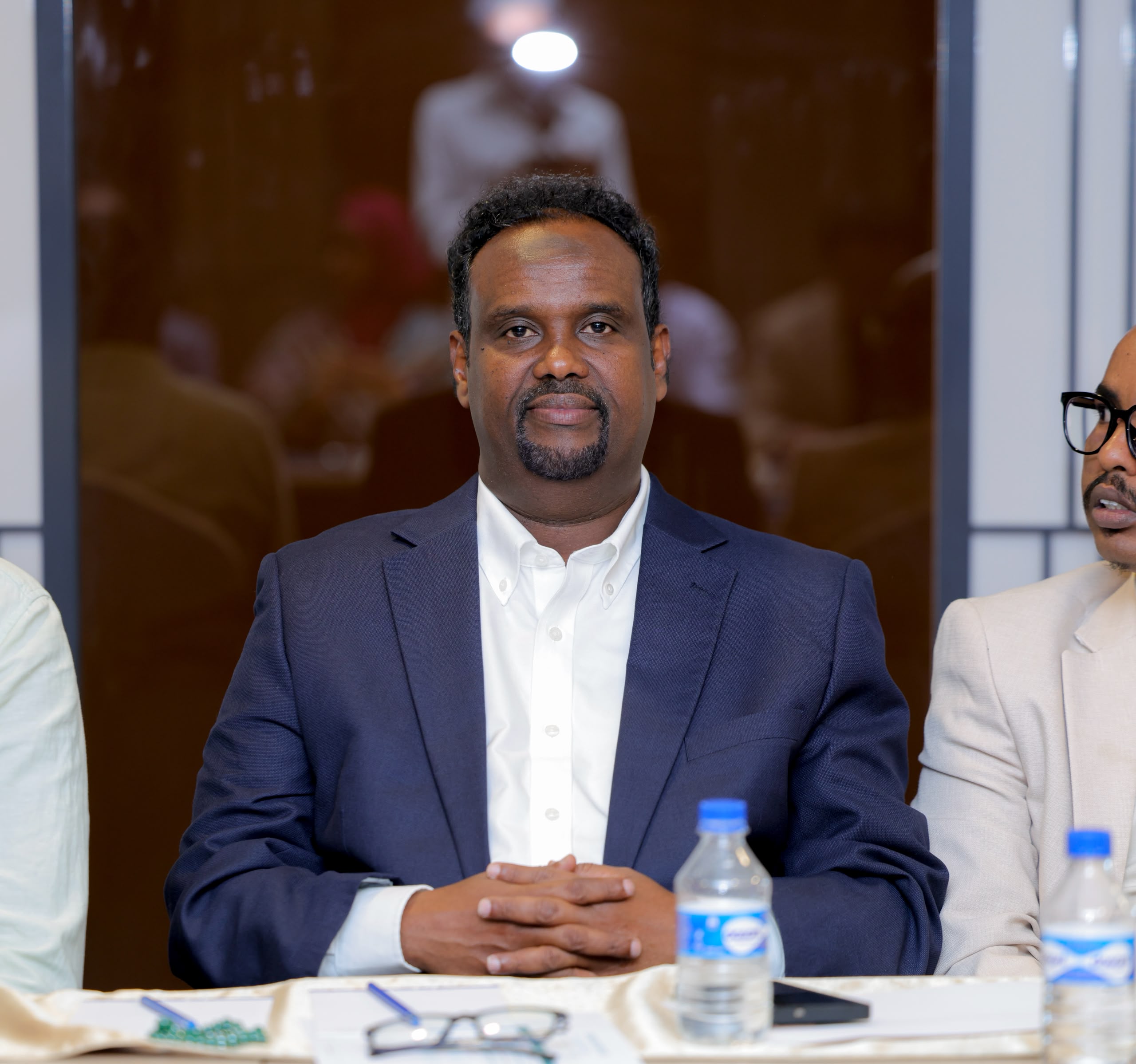
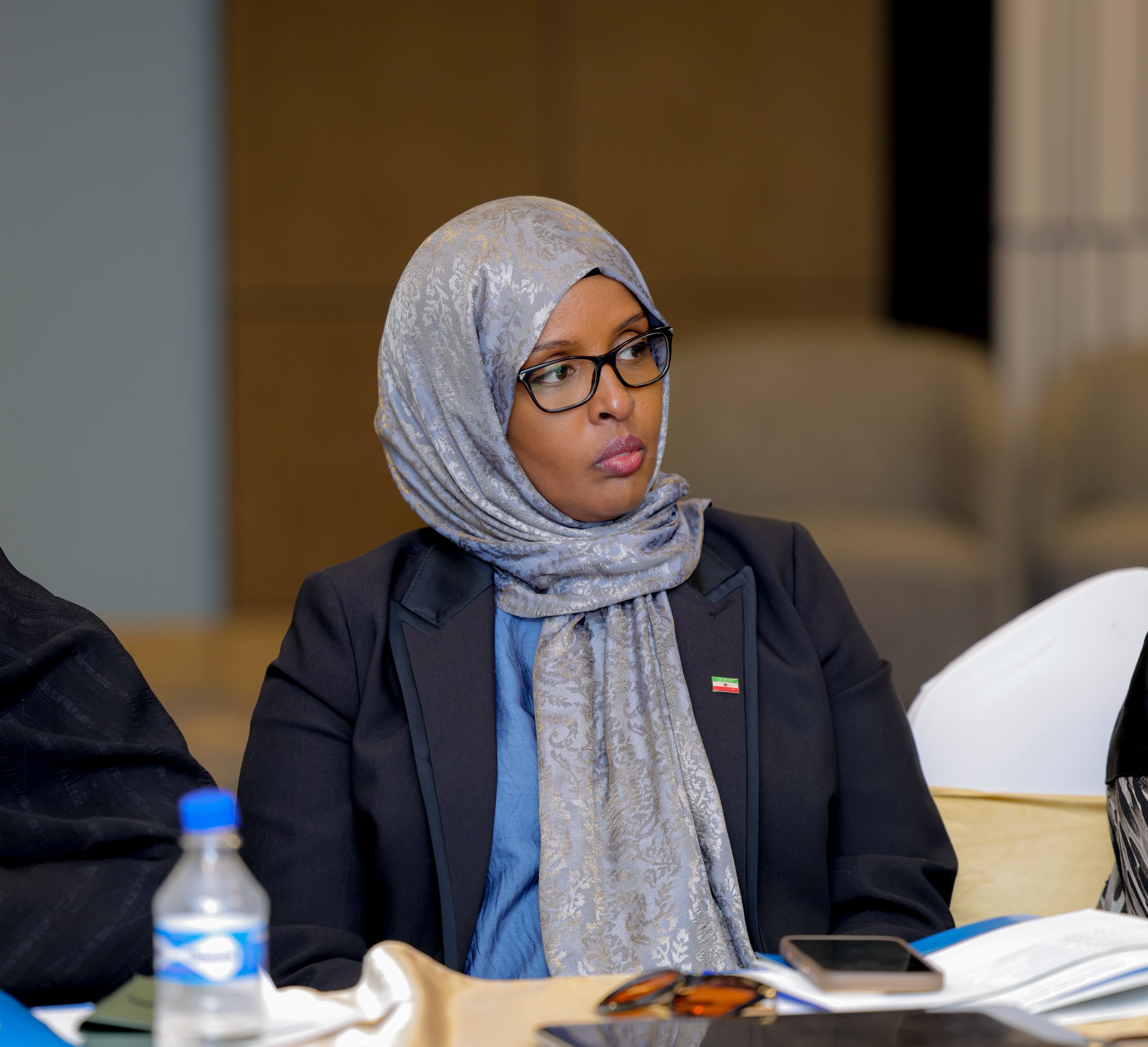
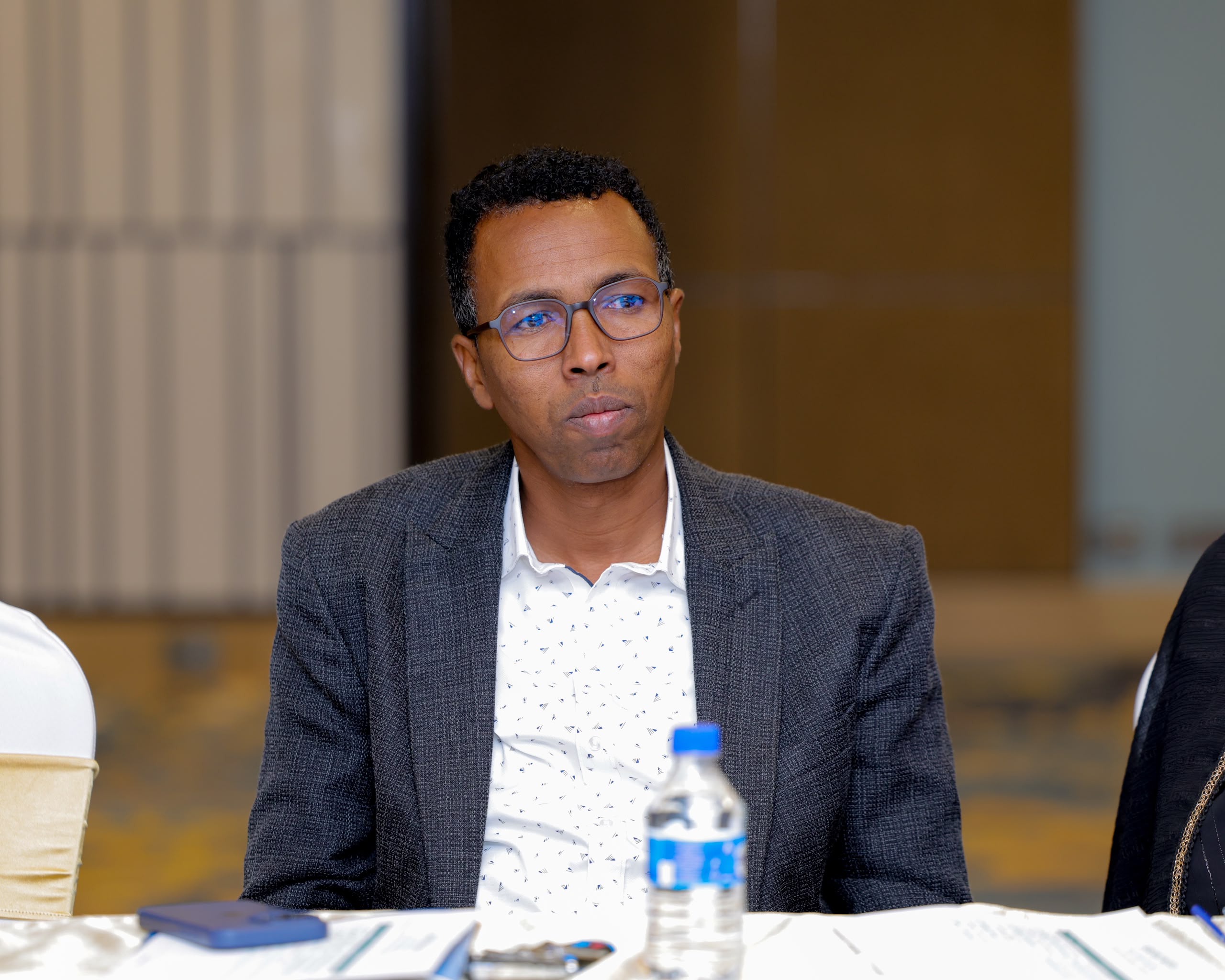
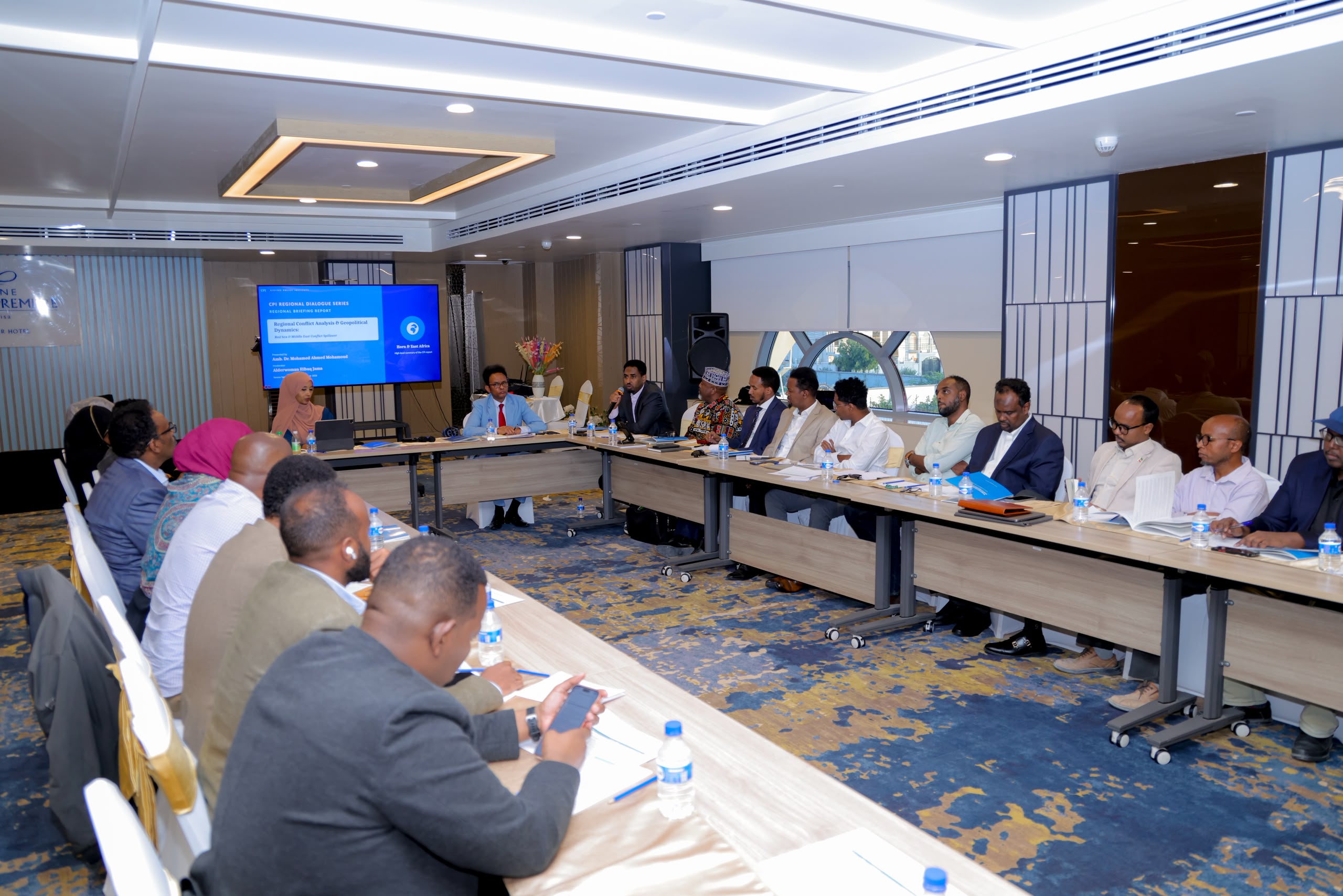
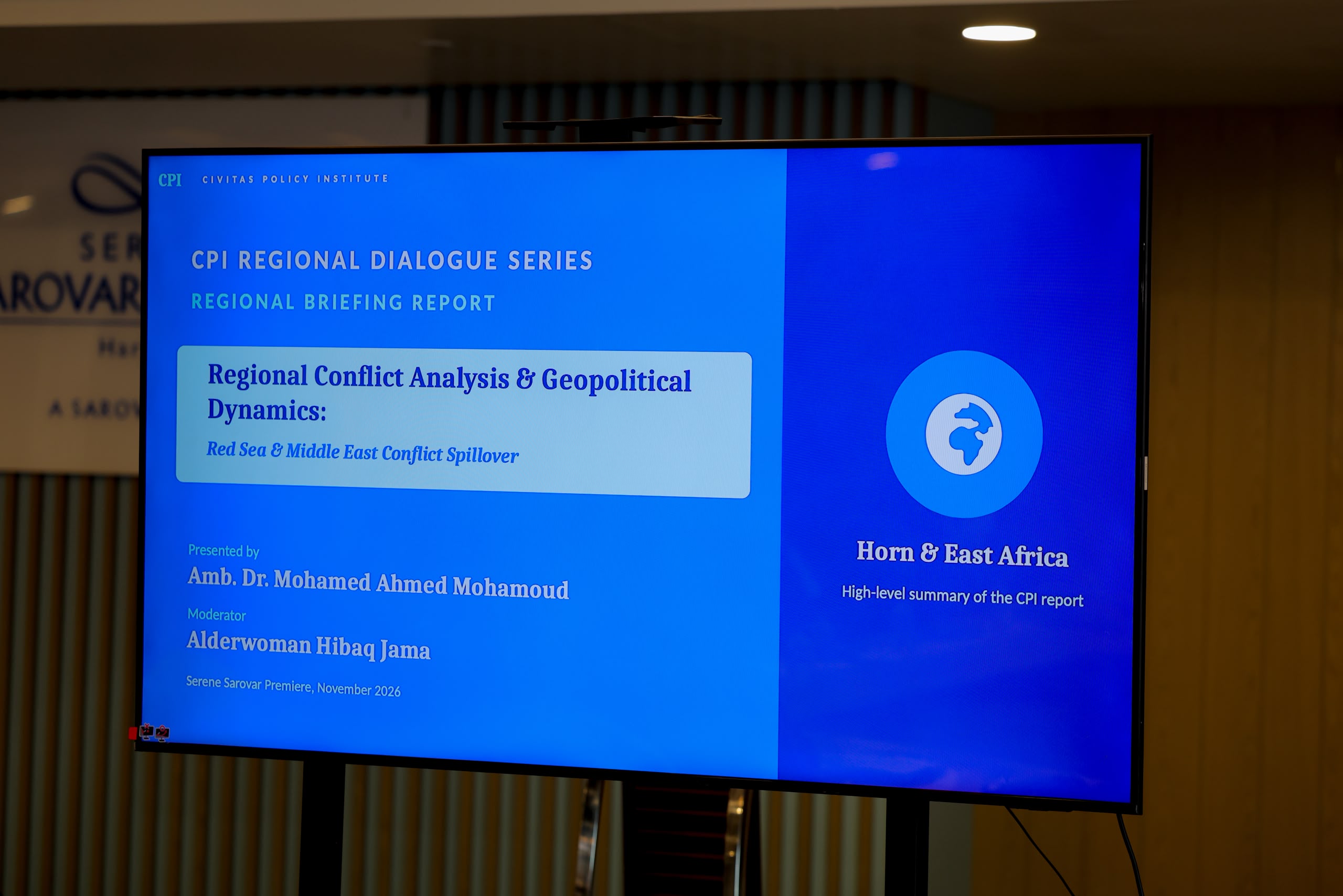
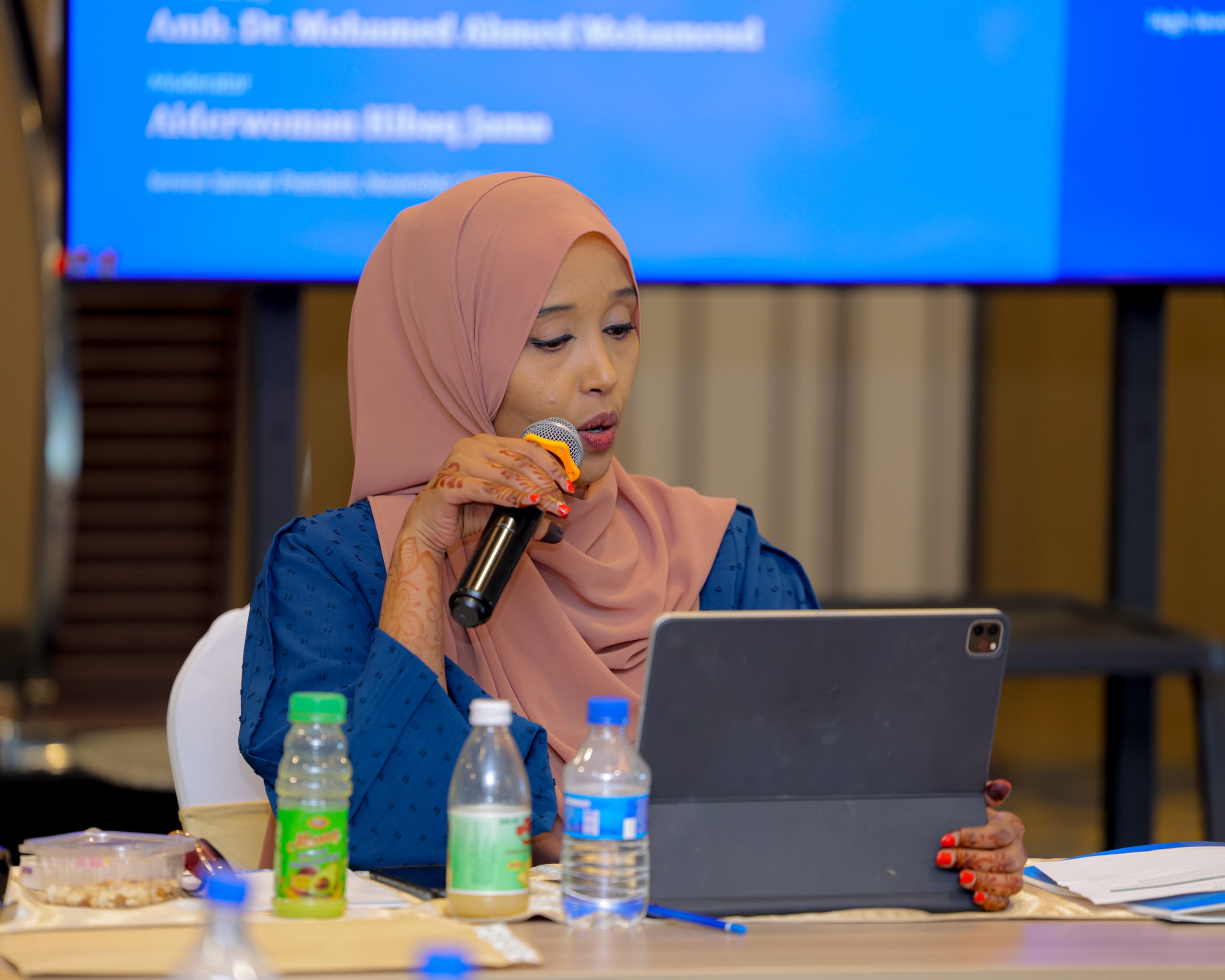
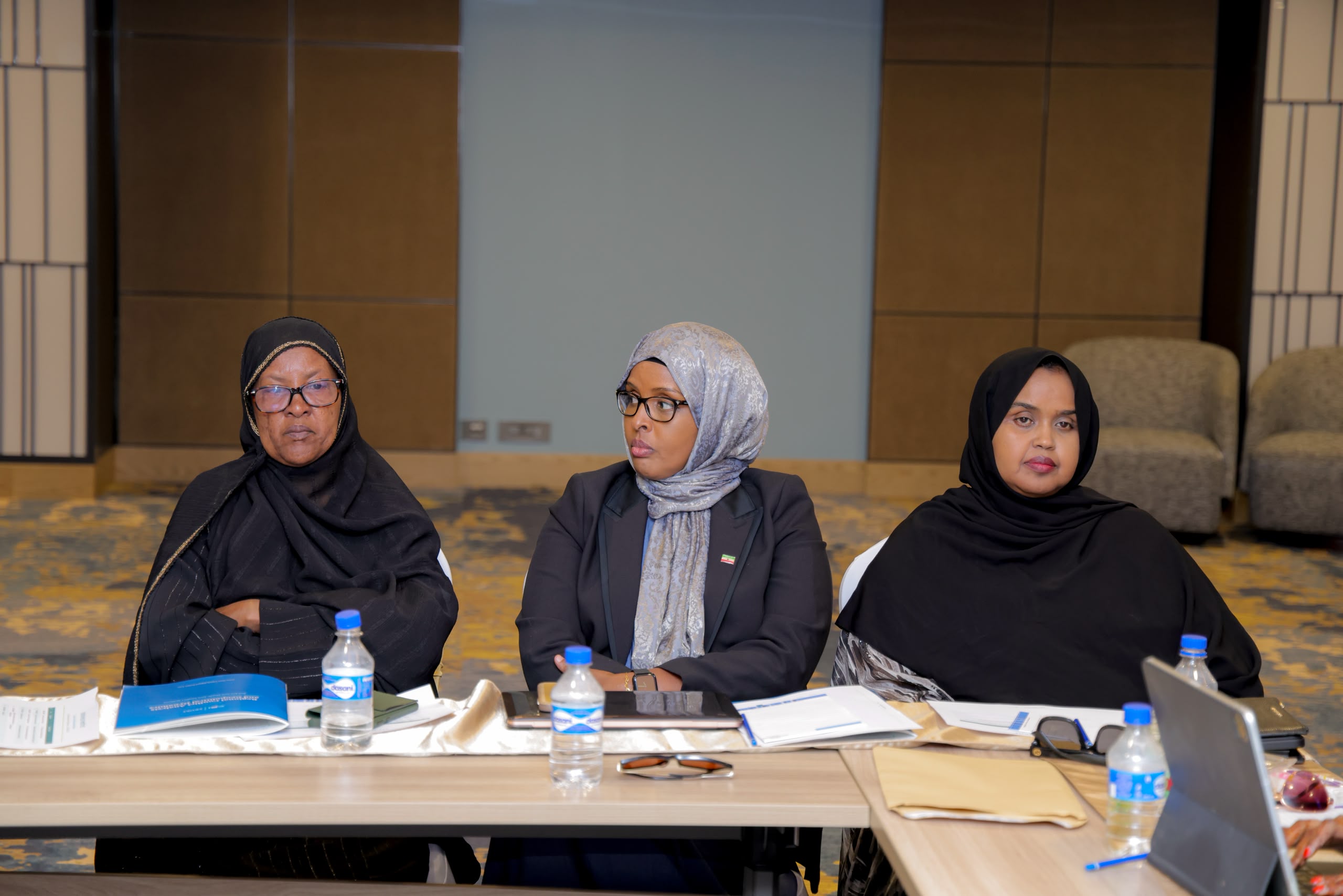
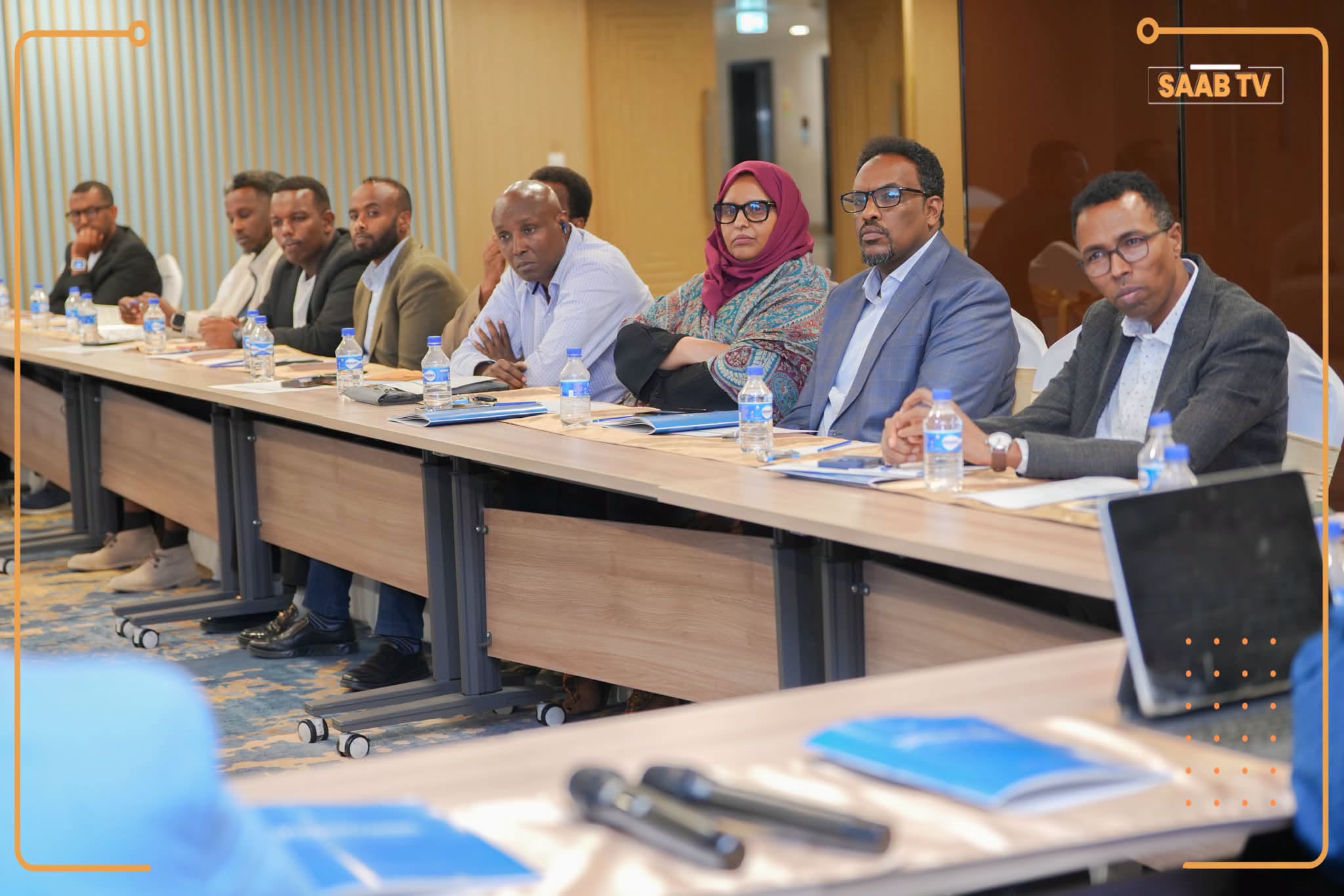
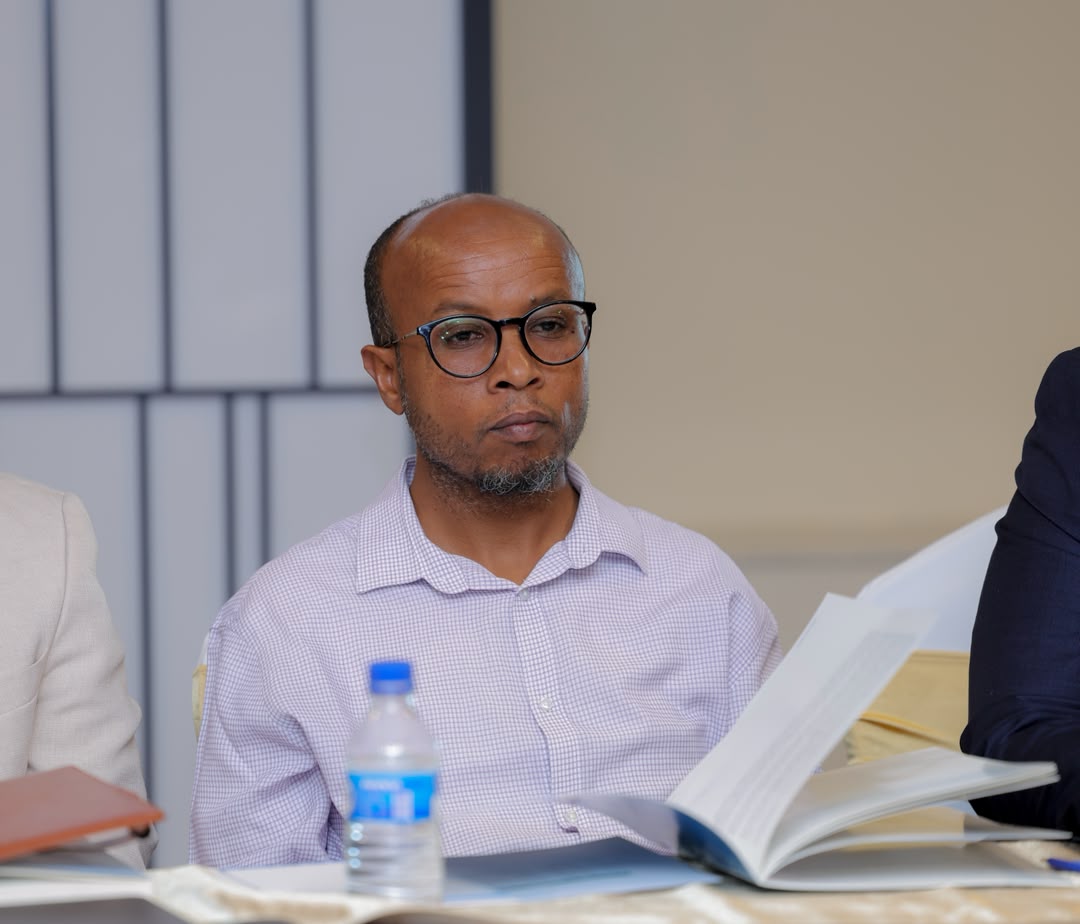
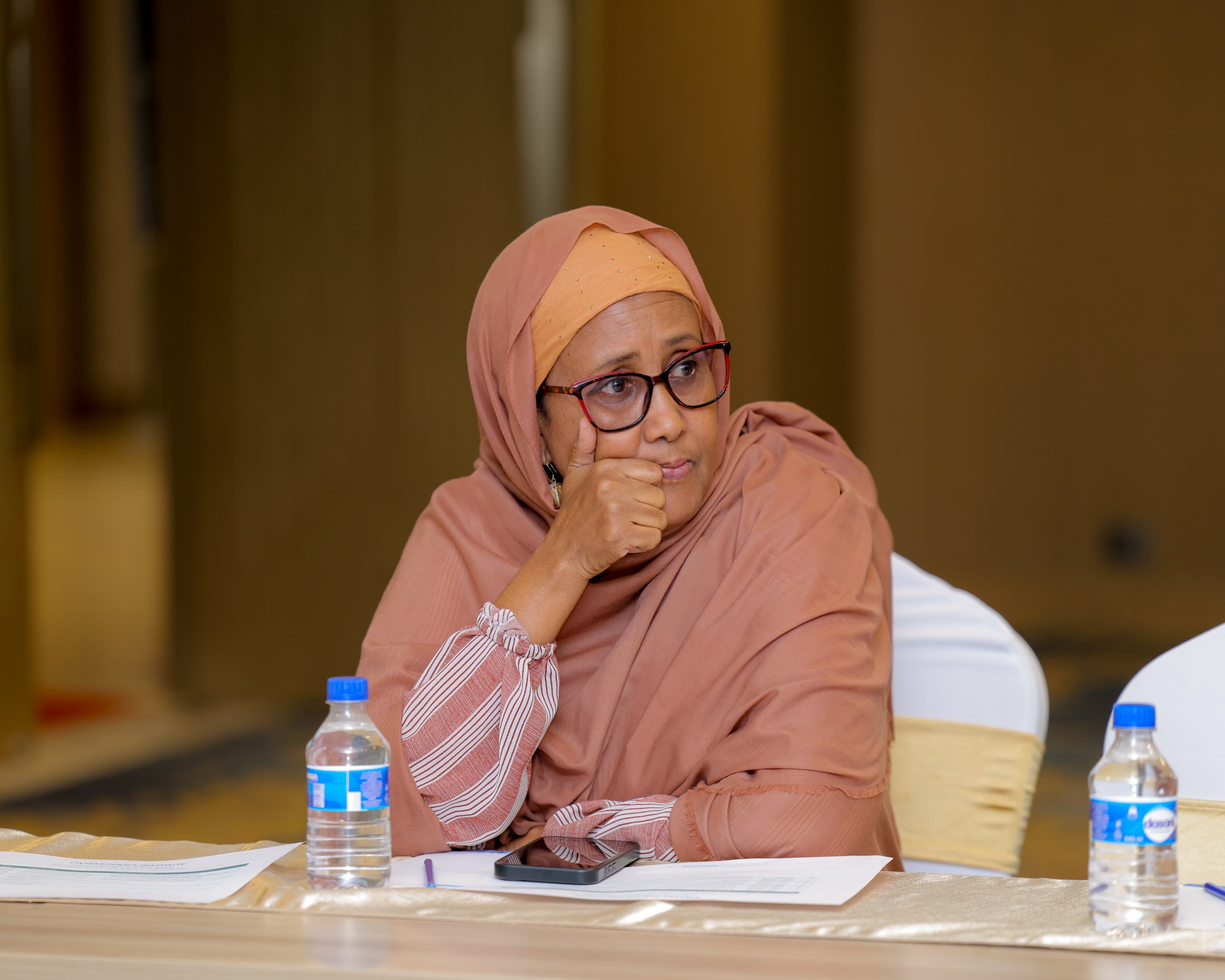
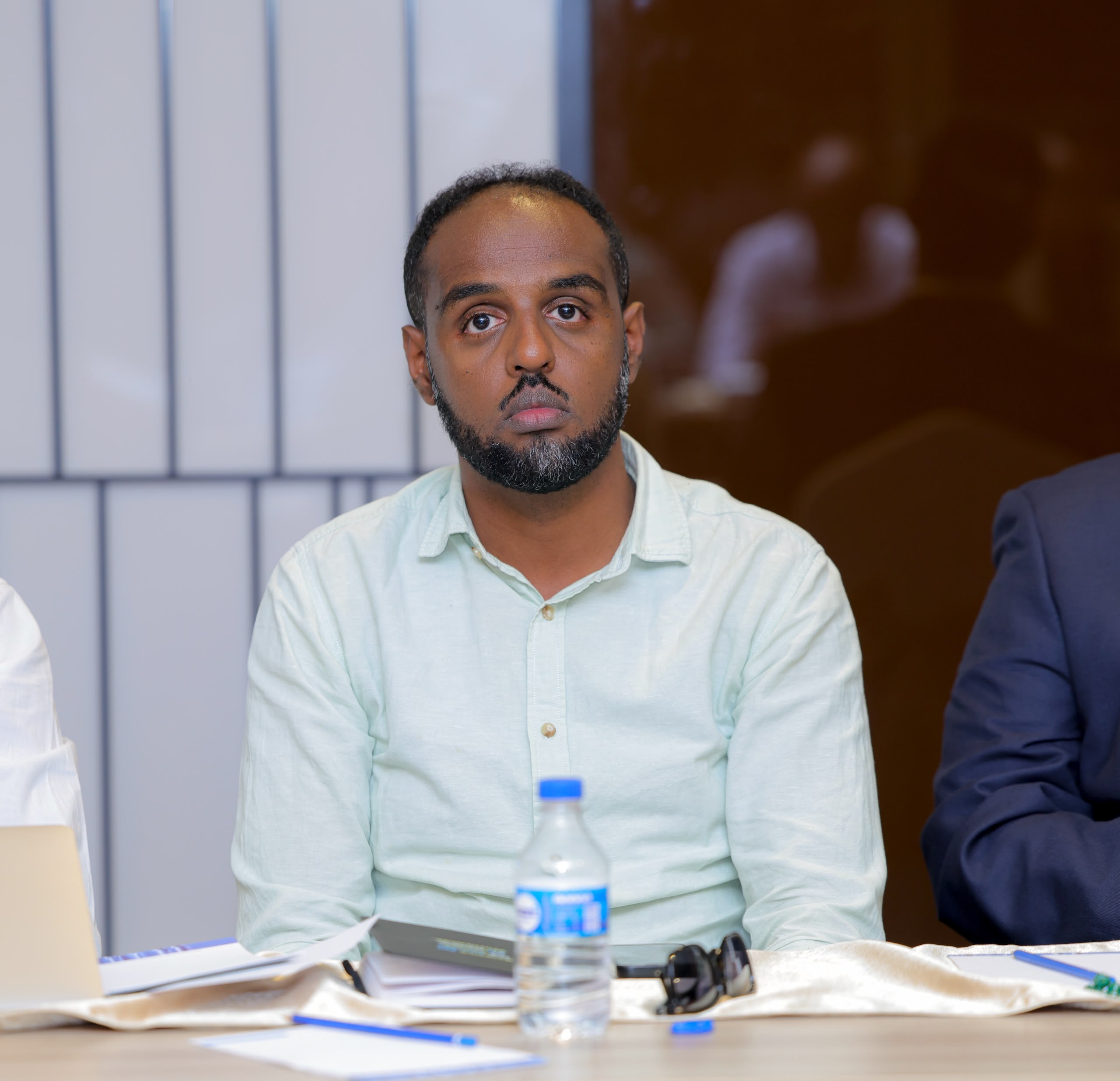
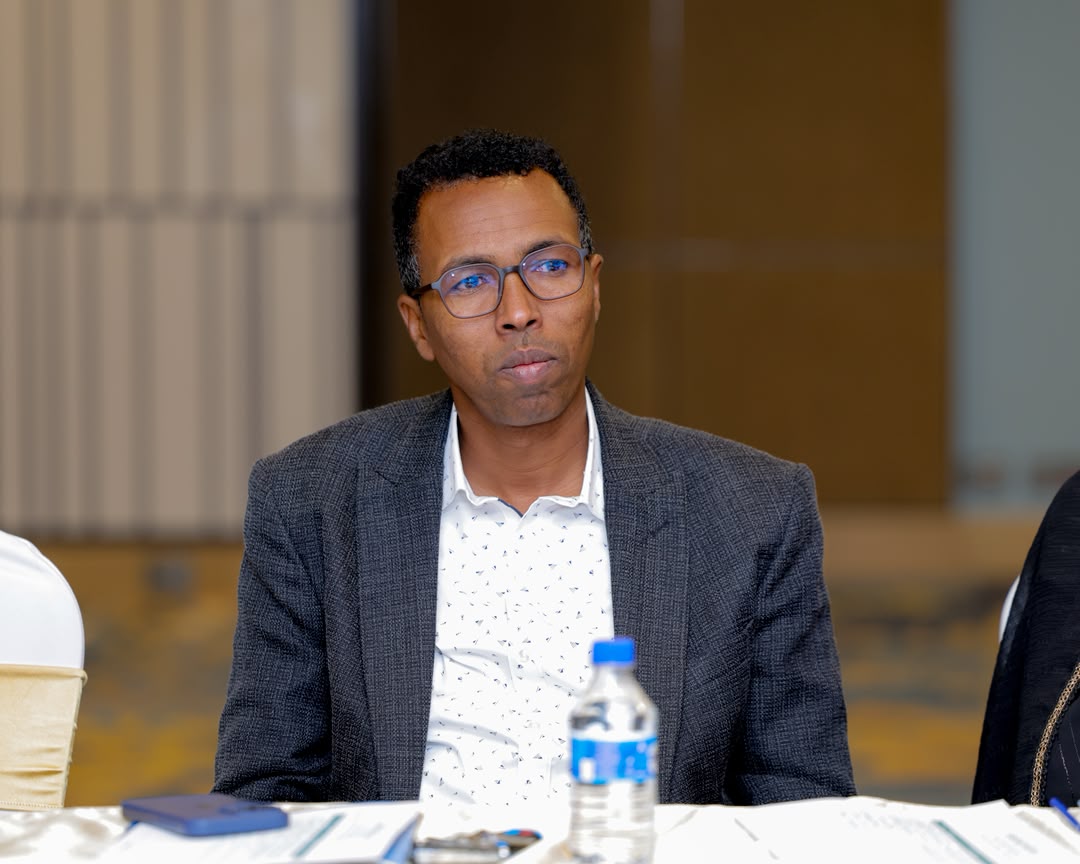
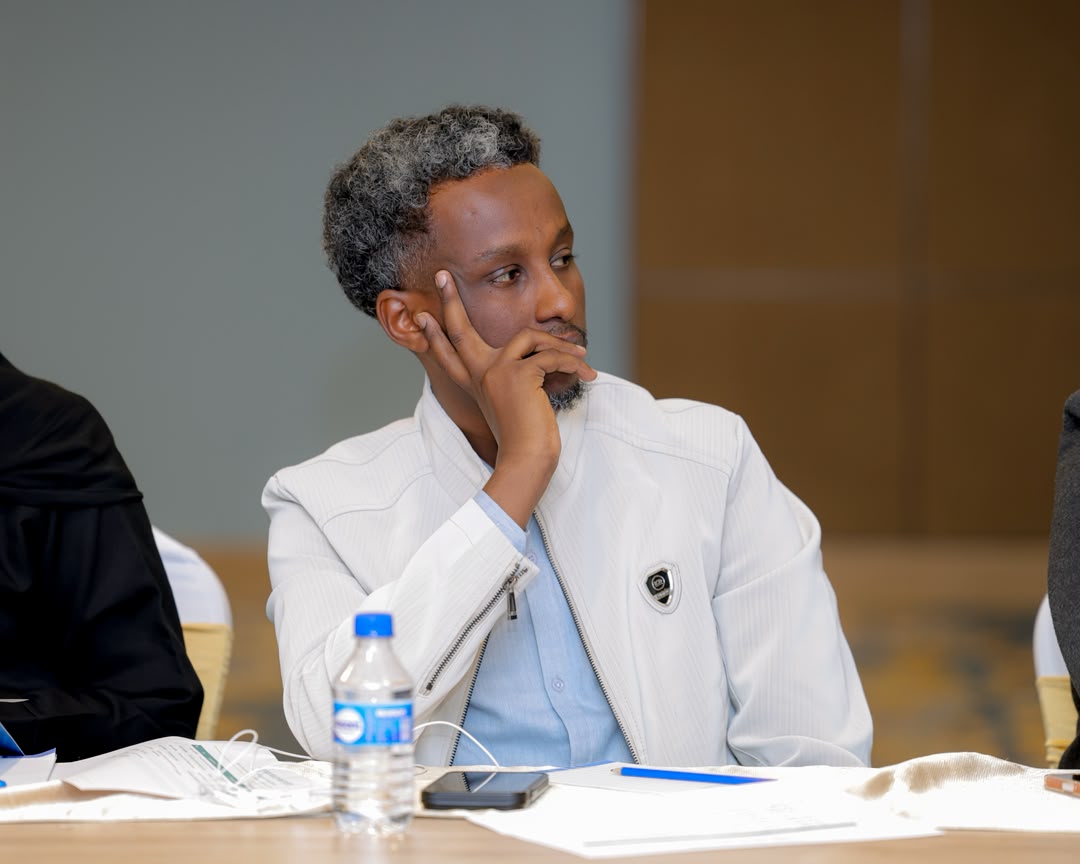
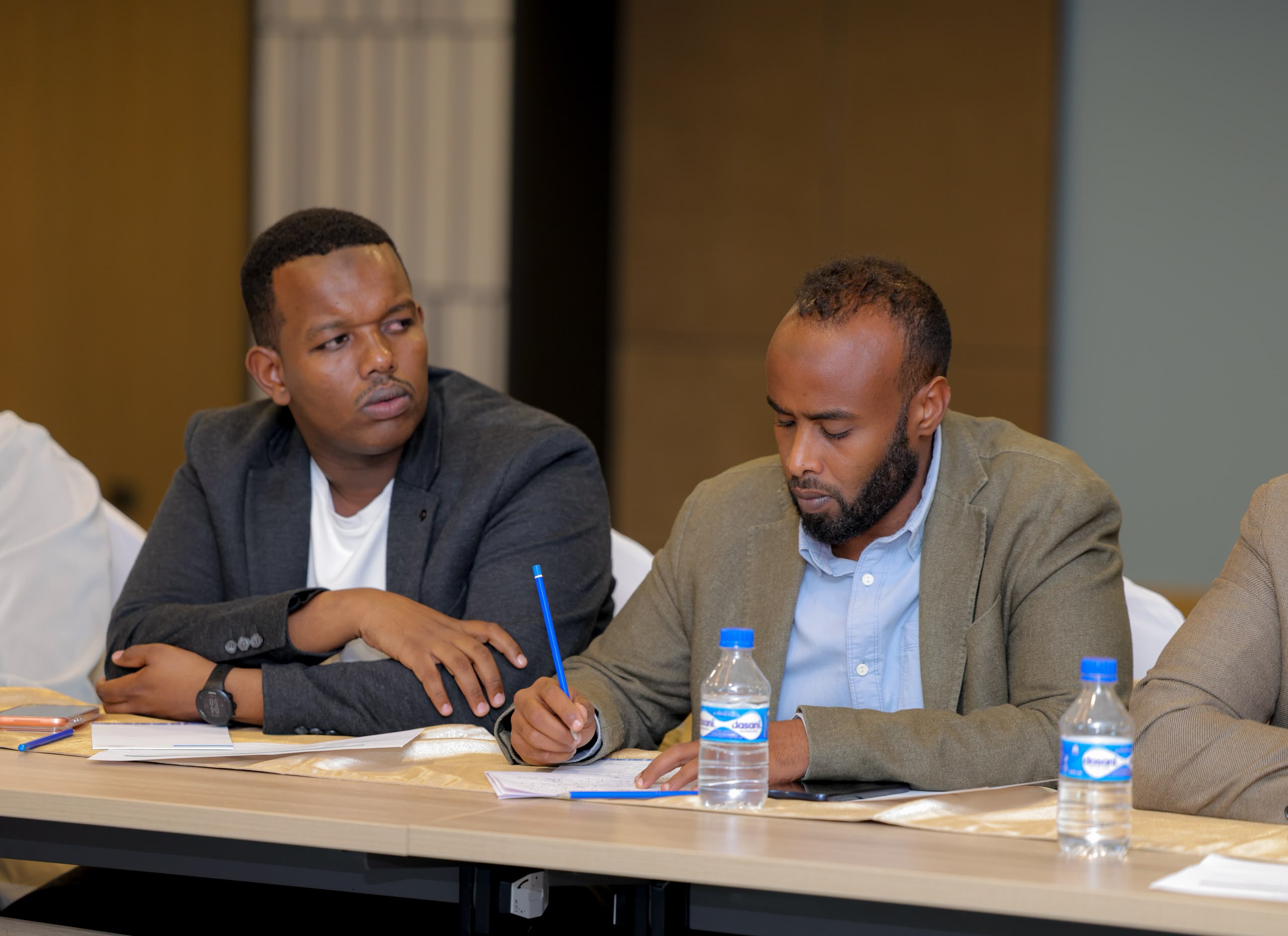
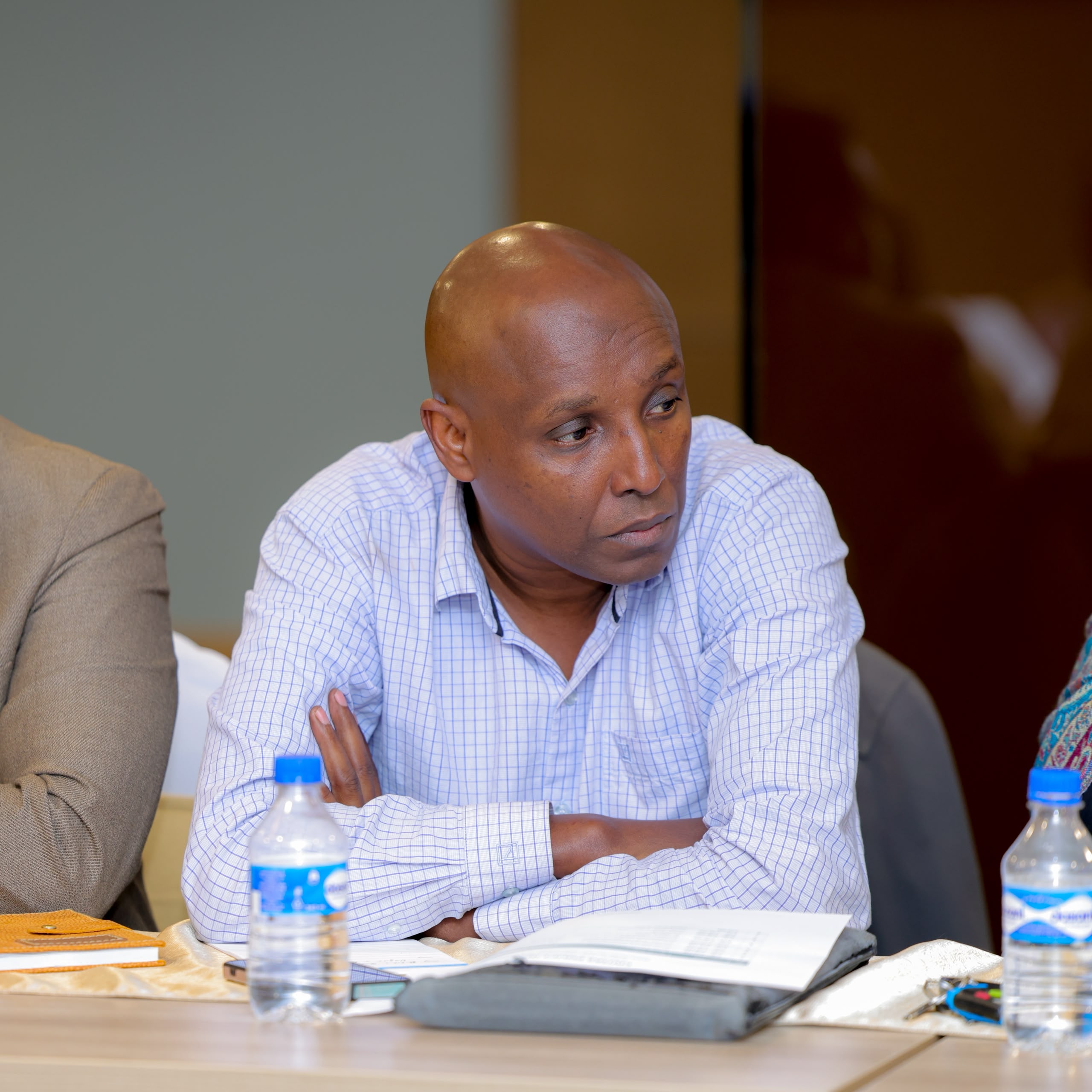
Mohamed spoke on Monday evening at the Serene Sarovar Premier hotel in Hargeisa. The CPI roundtable, titled “Regional Conflict Analysis & Geopolitical Dynamics”, brought together Somaliland government officials, business representatives, academics, think tanks, researchers, prominent scholars, and civil society groups to discuss the institute’s regional briefing report.
In a statement released on Tuesday, CPI said participants urged regional governments and international partners to support recognition of Somaliland and include it in efforts to secure the Red Sea and Gulf of Aden.
Mohamed said Israel’s decision in 2025 had revived rivalries over the region’s strategic geography. He pointed to Israel’s ties with Somaliland and Türkiye’s close relationship with Somalia as examples of how the dispute had become entangled with wider competition for regional influence.
Somaliland has maintained that Israeli recognition could contribute to regional peace and stability, Mohamed said, while Somalia and Türkiye have opposed the decision. He said the dispute would continue to weigh on regional integration because Somaliland and Somalia together occupy a strategically important stretch of the Horn of Africa.
Mohamed urged international partners to pay closer attention to the history of the dispute, including the 1960 failed union between the former British Somaliland Protectorate and former Italian Somalia. He said the two had followed “divergent political trajectories for more than three decades” since Somaliland reasserted its sovereignty in 1991.
He said international efforts to resolve the dispute had received limited and inconsistent attention, despite talks brokered by countries including Britain and Türkiye. The lack of tangible results had helped drive Somaliland’s pursuit of bilateral recognition, he said.
The roundtable meeting also discussed Somaliland’s engagement with the United States. CPI said the Somaliland president’s September visit underscored the security and strategic dimensions of the relationship. Participants discussed those ties alongside Israel’s recognition and the formation of new military partnerships in the region.
CPI said participants argued that Somaliland should have a role in decisions affecting the waters leading to the Bab al-Mandeb Strait, a shipping chokepoint connecting the Gulf of Aden and the Red Sea.