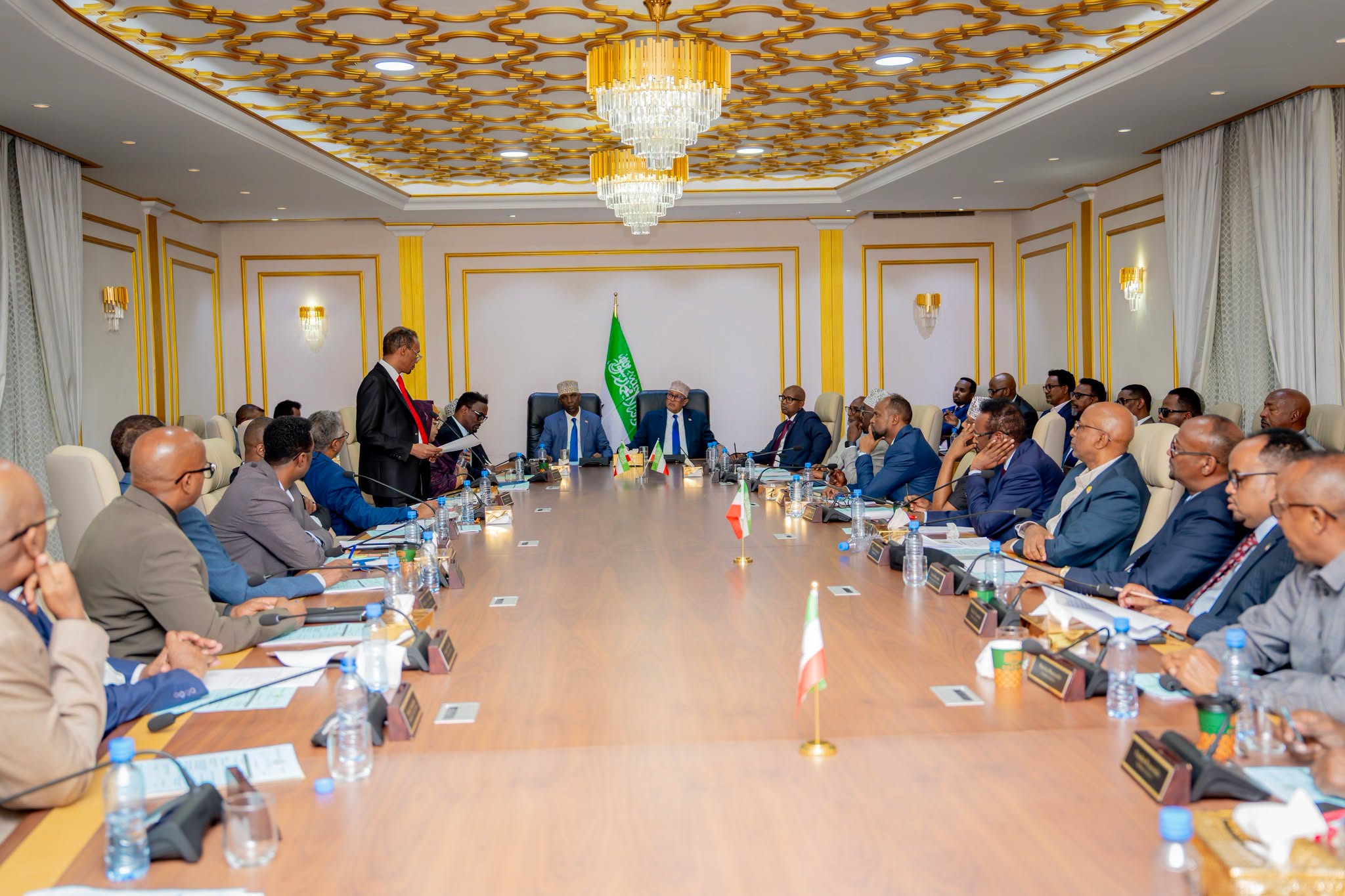
HARGEISA, Somaliland, Oct. 22 (Horndiplomat) — Somaliland has stepped up measures to prevent the spread of Ebola, strengthening health surveillance at airports and border crossings as authorities warn of the risk of the disease reaching the Horn of Africa, the government said.
Health Development Minister Dr. Hussein Bashir Hirsi told a Cabinet meeting chaired by President Abdirahman Mohamed Abdillahi (Irro) on Wednesday that no Ebola infections had been recorded in Somaliland but that increased vigilance was necessary because of international travel and cross-border movement.
According to a statement issued by the Somaliland Presidency, the minister briefed the Cabinet on the country’s public health situation and concerns surrounding the Bundibugyo strain of the Ebola virus, which has been linked to outbreaks in the Democratic Republic of Congo.
The minister said the government had activated a permanent committee responsible for Ebola prevention and preparedness, while healthcare workers were receiving additional training in detecting, preventing and controlling the disease.
Health authorities have also reinforced medical personnel stationed at Hargeisa’s international airport and in towns along Somaliland’s borders to improve preparedness against potential infections.
The Health Ministry is coordinating its response with the ministries of interior, aviation, information, education, and religious affairs, as well as immigration authorities, the Maroodi Jeex regional administration and Hargeisa municipality.
Hirsi said the measures were intended to strengthen the country’s ability to identify suspected cases and respond quickly to any potential outbreak.
The government’s announcement comes amid heightened concern about Ebola in East Africa, where health authorities have increased monitoring and preventive measures following reports of infections in the region.
Ebola is a potentially fatal viral disease that spreads through direct contact with the blood or other bodily fluids of infected people. Symptoms can include fever, severe weakness, vomiting and diarrhoea, with serious cases sometimes involving bleeding.
The disease can cause severe outbreaks, particularly in communities with limited healthcare resources, making early detection, isolation and infection prevention measures critical to controlling its spread.
Somaliland government said the country remained free of confirmed Ebola cases and urged continued coordination among government institutions to protect public health.
The health briefing formed part of the government’s 78th Cabinet meeting at the Presidential Palace in Hargeisa, where ministers also discussed national security, foreign affairs, aviation and economic development.
(Reporting by Mohamed Duale; HornDiplomat News Desk)