


By Abdirizak Omer
HARGEISA In many parts of Africa, democracy is often tested not during elections, but in what follows them. The true measure lies in whether leaders respect timelines, uphold institutions, and ultimately honor the promises that brought them to power.
In this context, the leadership of Abdikarim Ahmed Mooge offers a rare and compelling case. It is one that deserves closer attention, not only within Somaliland but across the continent.
Mooge’s political journey has been anything but conventional. His resignation in 2013 from a government position under Ahmed Mohamed Mohamoud Silanyo was not a retreat from public life, but a calculated decision grounded in principle. At the time, he made a clear and public commitment. He would pursue the mayorship of Hargeisa, and more importantly, he would respect democratic norms, including leaving office when his term ends.
That promise, made years before his eventual election, now defines his political identity.
When Mooge secured approximately 27,000 votes in the local elections, a historic figure by Somaliland standards, it reflected more than electoral success. It signaled a shift in public expectations. Voters were not only choosing a candidate, they were endorsing a message centered on integrity, accountability, and governance that prioritizes citizens over political survival.
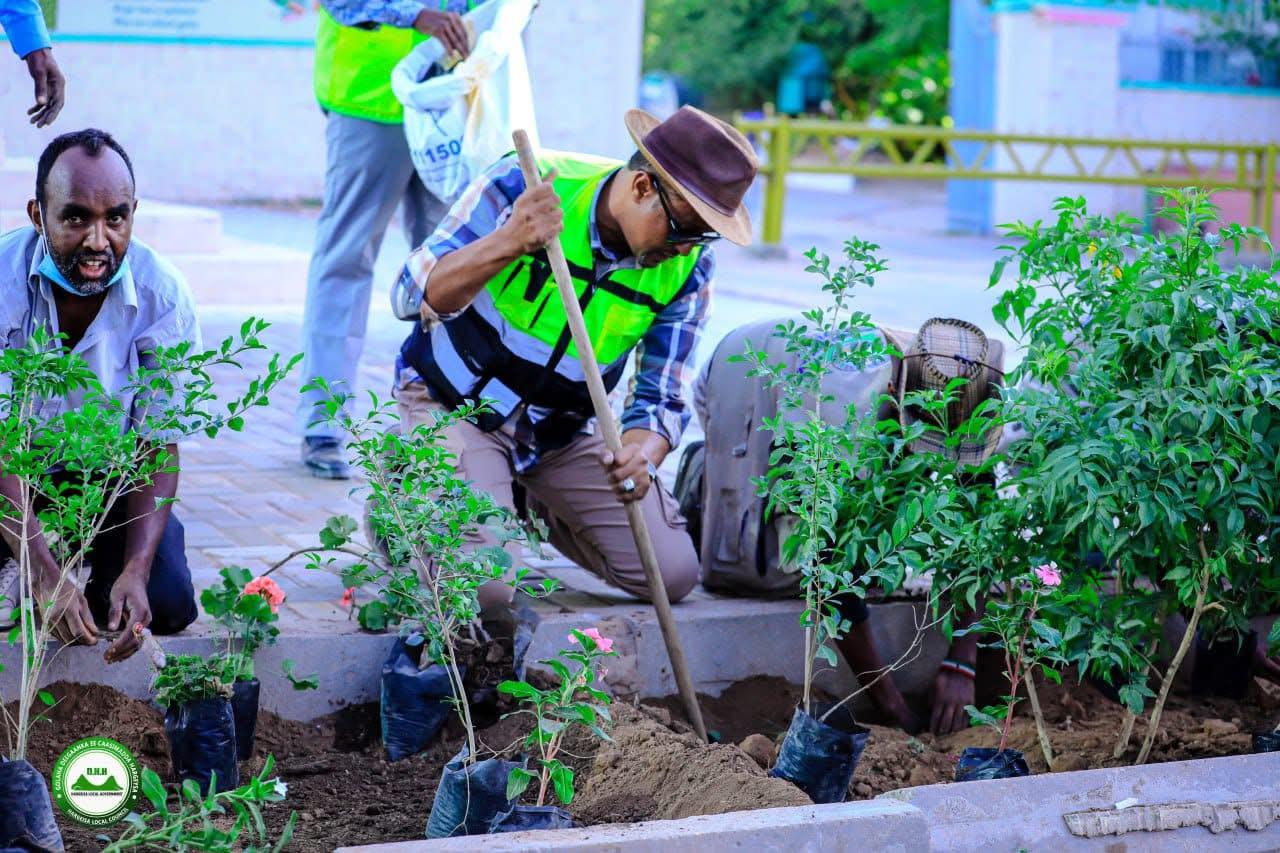
Since taking office, his administration has outlined an ambitious vision for Hargeisa. This includes modern infrastructure, improved public services, stronger institutions, and a cleaner, more livable city. These are familiar promises in political campaigns across the region. What sets this case apart, however, is not the ambition of the agenda, but the credibility behind it.
Yet the most defining element of Mooge’s leadership is not found in policy proposals. It lies in a simple but powerful pledge. If elections are not held on time, he will step down.
In a region where electoral delays are often normalized and mandates frequently extended, such a position is both unusual and consequential. It directly challenges a political culture where power is too often preserved at the expense of democratic legitimacy.
Somaliland itself, while widely regarded as a relative success story in the Horn of Africa, is not immune to these pressures. Repeated delays in elections, often justified through institutional or logistical arguments, have gradually eroded public confidence. The anticipated postponement of the upcoming polls, originally set for May 2026, risks reinforcing this pattern.
For many, particularly younger citizens and civil society groups, this is no longer just a procedural issue. It is a question of trust.
Against this backdrop, Mooge’s stance takes on broader significance. It is not merely a personal commitment, it is a statement about what leadership should look like in a functioning democracy. By tying his political future to the integrity of the electoral process, he is effectively placing principle above position.
This is not without risk. In political environments shaped by uncertainty, such commitments can be difficult to sustain. But they also create a standard, one that others may eventually be compelled to follow.
There is already growing speculation about Mooge’s future beyond the mayoralty. Whether or not he seeks higher office, his approach signals a shift that could reshape expectations in Somaliland’s political landscape. Leadership grounded in accountability, rather than longevity, has the potential to redefine the rules of engagement.
Ultimately, democracy is not sustained by institutions alone. It depends on the choices of those entrusted with power, and their willingness to respect limits.
In that sense, the real test is not whether elections are held, but whether leaders are prepared to step aside when they are not.
For Somaliland, and for many others watching closely, that test is approaching.
About the Author
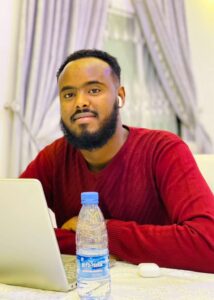
Abdirizak Omer Muse is a senior advisor on political affairs and has also prepared educational materials in political science at both primary and secondary levels
The views expressed in this article are the author’s own and do not necessarily reflect the Horndiplomat editorial policy.
If you want to submit an opinion piece or an analysis, please email it to Opinion@horndiplomat.com.
Horndiplomat reserves the right to edit articles before publication. Please include your full name, relevant personal information, and political affiliations.
Share this:
- Share on Facebook (Opens in new window) Facebook
- Share on X (Opens in new window) X
- Email a link to a friend (Opens in new window) Email
- Share on LinkedIn (Opens in new window) LinkedIn
- Share on Telegram (Opens in new window) Telegram
- Share on Threads (Opens in new window) Threads
- Share on WhatsApp (Opens in new window) WhatsApp
- Share on Mastodon (Opens in new window) Mastodon