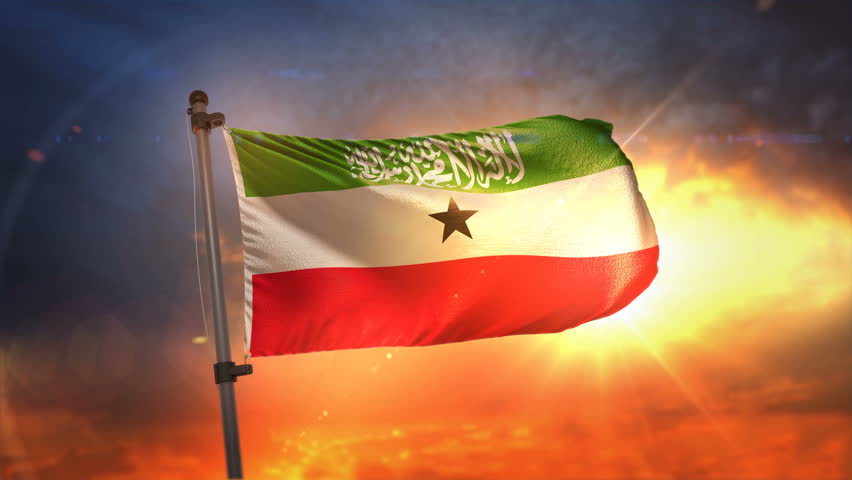
For more than 30 years, Somaliland has done what many recognised states struggle to achieve. It has maintained peace, held elections, and built functioning institutions in one of the most unstable regions in the world. Yet it remains unrecognised.
Now, for the first time in years, there is a real sense that this could change.
The official recognition of Somaliland by Israel on 26 December 2025 has shifted the conversation. More importantly, political dynamics in the United States suggest that Somaliland may have its best chance at recognition in a long time particularly while Republicans hold power. But this opportunity comes with a warning: it may not last.
Why this moment matters
Recognition is not only about law or history. It is about timing and political alignment. And right now, Somaliland’s case fits closely with Republican foreign policy priorities.
A Republican-led United States tends to focus on security, stability, and strategic partnerships. Somaliland offers all three. It sits in a critical location near the Red Sea, a region that is increasingly important for global trade and security. It has shown stability in a difficult environment and positioned itself as a reliable partner.
This is already being noticed. Ted Cruz has highlighted Somaliland’s stability. Scott Perry has called for deeper ties. James Risch has emphasised the importance of working with dependable partners.
These are not isolated comments. They reflect a wider political mindset-one that Somaliland fits into.
Recent moves in Congress, including the Somaliland Economic Access and Opportunity Act introduced by John Rose with backing from Pat Harrigan and Andy Ogles, show that engagement is already growing.
This is not recognition yet, but it is movement. And movement creates opportunity.
The risk of missing it
The reality is simple: this opportunity is tied to politics, and politics changes.
If Republicans lose power or priorities shift, Somaliland could find itself back where it started waiting, with limited attention and few openings. This is why timing matters.
Somaliland cannot afford to assume that momentum will continue its own. It must act while the political environment is favorable. Because once that environment changes, rebuilding this level of interest could take years.
Turning political opportunity into real progress
To move forward, Somaliland needs to act with focus and urgency.
It must engage more widely across Congress, building support not just from a few voices, but across the political spectrum. It needs to present its case in clear, practical terms-highlighting its role in security, regional stability, and partnership.
It also needs a stronger and more consistent presence in Washington. Support does not turn into policy without sustained effort.
And importantly, Somaliland should use the relationships it already has. Partners like Taiwan and Israel have strong ties with the United States. These connections can help amplify Somaliland’s message and open doors that might otherwise remain closed.
Israel’s recognition should not be seen as the end of the process. It is the beginning of a new phase-one that needs to be actively built on.
A race against time
Somaliland has spent decades proving itself. It has built institutions, maintained peace, and shown resilience. But recognition depends on more than performance -it depends on seizing the right moment.
That moment may be now.
While Republicans remain in power in Washington, Somaliland has a clearer pathway than it has had in years. But that pathway is narrow, and it is temporary.
If Somaliland acts now, it could finally move closer to recognition. If it waits, this opportunity may close and it may not return anytime soon.
About the Author
Muse Jama is a postgraduate student at Sheffield Hallam University, pursuing an MA in International Relations and Global Crisis. With a strong academic interest in global affairs and emerging challenges, Muse writes to inform, analyse, and engage readers on key international issues.
Email: Muse.A.Jama@student.shu.ac.uk or muuse424@gmail.com
The views expressed in this article are the author’s own and do not necessarily reflect the Horndiplomat editorial policy.
If you want to submit an opinion piece or an analysis, please email it to Opinion@horndiplomat.com. Horndiplomat reserves the right to edit articles before publication. Please include your full name, relevant personal information, and political affiliations.