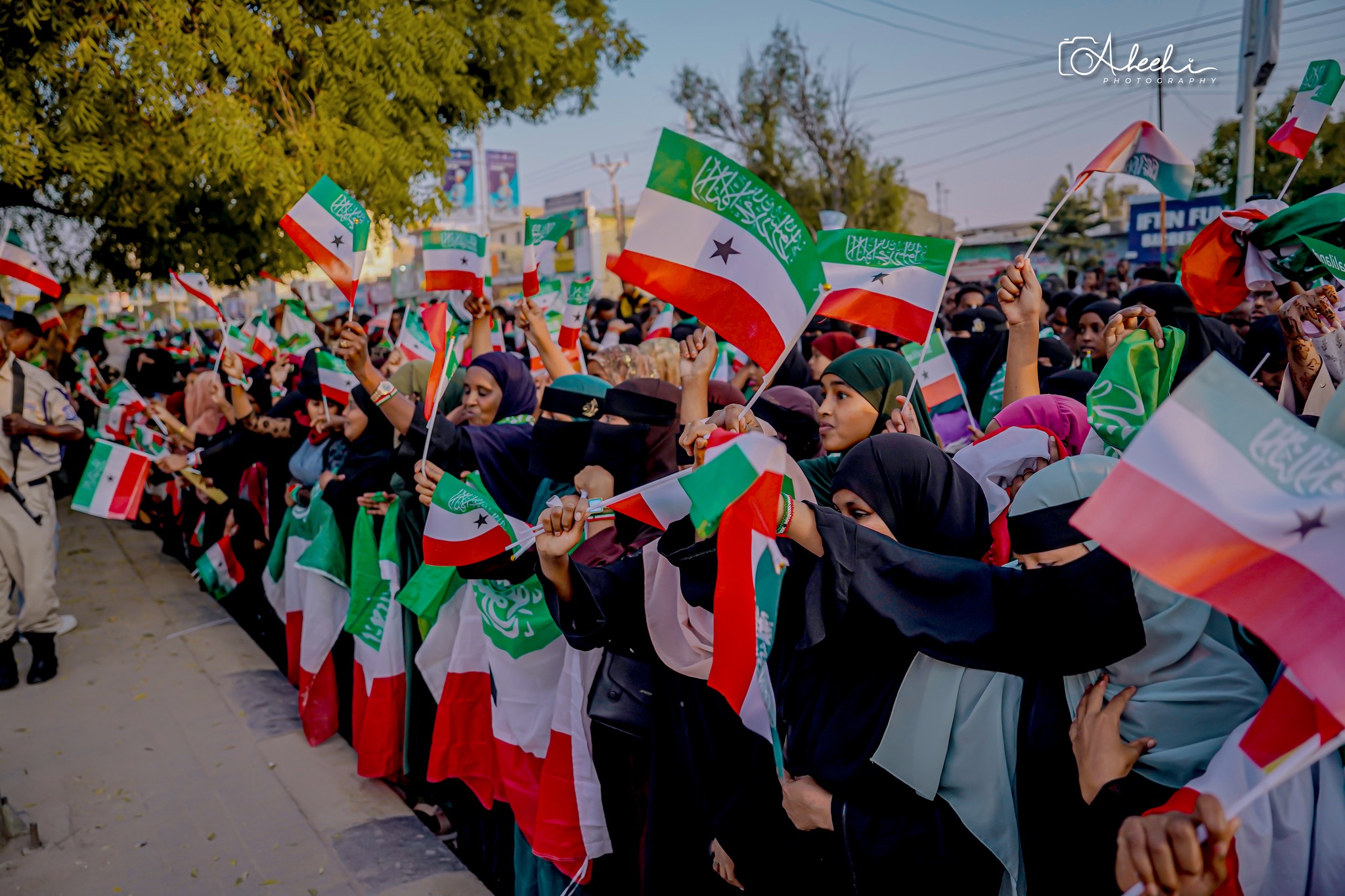
Every year of delay in addressing Somaliland’s political reality places an increasing burden on the international community. Prolonged ambiguity does not preserve stability; rather, it deepens uncertainty, limits cooperation, and creates avoidable political and economic costs. The absence of a clear international position forces global actors to operate in a grey zone that undermines effective engagement.
This delay also weakens regional planning and long-term security strategies. When a functioning and stable political entity is left outside formal international systems, it creates gaps in coordination on trade, security, migration, and development. These gaps eventually affect not only Somaliland, but the wider Horn of Africa and global partners operating in the region.
Recognition is not merely symbolic. It is a legal and political tool that enables accountability, formal cooperation, and structured responsibility. Continued postponement denies the international system an opportunity to formalize an already existing reality.
No Return to a Failed Union
It is now an established reality that Somaliland and Somalia will not form a single state again. The decision to restore Somaliland’s sovereignty was made by the people themselves and was approved through a public referendum. This choice represents popular will, not elite negotiation or temporary political maneuvering.
No elected official has the legal or moral authority to reverse the will of the people. Democratic legitimacy rests with citizens, and the collective decision to reclaim statehood cannot be overridden by external pressure or internal political compromise.
Attempts to frame reunification as a future option ignore historical experience, political facts, and public consensus. The union failed, and Somaliland’s withdrawal from it was a corrective act rooted in self-determination.
If the international community fails to seize this opportunity and continues to withhold recognition, the consequences will extend beyond Somaliland. History has already shown what happens when the Gulf of Aden becomes insecure, when piracy spreads along the Somali coast, when terrorism expands across the Horn of Africa, and when border conflicts destabilize neighboring states. During these crises, Somaliland fulfilled its responsibilities. It secured its coastline, prevented piracy, resisted extremist infiltration, and maintained internal order. While chaos expanded elsewhere, Somaliland acted as a stabilizing force rather than a source of insecurity.
Ignoring such a record sends the wrong message. It discourages responsible governance and rewards dysfunction. Recognition would strengthen, not weaken, regional stability.
The absence of recognition has become Somalia’s most powerful political weapon against Somaliland. Rather than encouraging dialogue, recognition denial has been used as a tool of punishment and coercion. This has included restrictions on travel, obstruction of international investments, and interference with bilateral and multilateral partnerships that could have benefited Somaliland. International aid intended for both Somalia and Somaliland have repeatedly been leveraged to pressure Somaliland politically.
Significant financial resources allocated for Somaliland remain blocked in Mogadishu solely because Somaliland lacks formal recognition. This is not cooperation, it is collective punishment enabled by international silence.
The Core Demand of Somalilanders.
What the people of Somaliland seek is not charity or special treatment, but the full enjoyment of their political rights. This includes independent statehood, direct international representation, and the freedom to establish diplomatic, economic, and security partnerships.
Without recognition, Somaliland remains excluded from international decision-making structures that directly affect its future. This exclusion is unjust, given its demonstrated capacity for governance, peace, and responsibility. Recognition would allow Somaliland to engage the world transparently, accountably, and on equal footing with other states.
It is clear that Somaliland will not reunite with Somalia. That debate is settled. What remains unsettled is whether the international community will act with realism and courage. Other countries should not hesitate to follow the step taken by Israel. Recognition does not create instability; it acknowledges an existing reality and strengthens accountability. Delay serves no one. Action serves peace.
The Horn of Africa Knows the Truth
Countries of the Horn of Africa are fully aware of Somaliland’s case. They understand that reunification is no longer viable and that Somaliland’s political trajectory is irreversible. Good neighborliness and regional brotherhood do not require denial of reality. On the contrary, genuine cooperation is built on mutual recognition and respect for sovereignty.
Importantly, recognition of Somaliland does not violate the principles or legal framework of the African Union. It aligns with the Union’s own emphasis on stability, borders, and peaceful self-determination. Recognition of Somaliland is not an act of division; it is an act of responsibility. It formalizes peace, strengthens regional stability, and restores political rights long denied.
Every year of delay increases costs, risks, and injustice. The international community now faces a choice: continue managing an artificial ambiguity, or acknowledge reality and move forward. History will judge which path was taken.
About the Author
Mahad J. Koronto, Journalism, Communication, and Media Literacy Expert
The views expressed in this article are the author’s own and do not necessarily reflect the Horndiplomat editorial policy.
If you want to submit an opinion piece or an analysis, please email it to Opinion@horndiplomat.com
Horndiplomat reserves the right to edit articles before publication. Please include your full name, relevant personal information and political affiliations