


By:Farhan Bulale
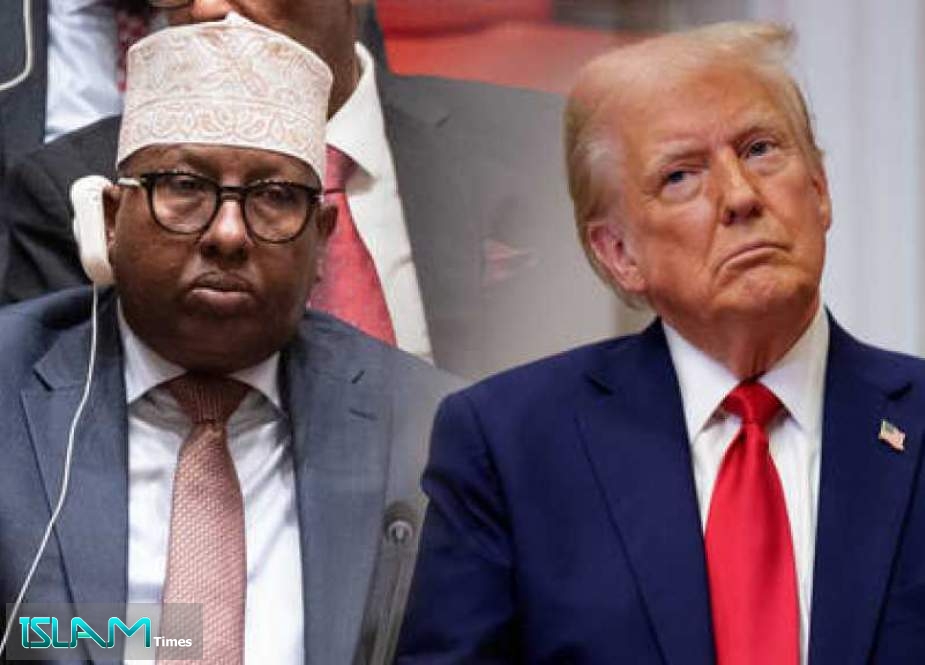
In diplomacy, words matter as much as actions. When senior officials publicly vilify long-standing allies, the damage often extends far beyond a single statement. That reality has come sharply into focus following remarks attributed to Somalia’s Minister of Defence, Ahmed Fiqi, who described the United States as Somalia’s “only enemy” a claim as striking as it is strategically reckless.
For decades, the United States has been one of Somalia’s most consequential international partners. Its role has not been symbolic. Washington has provided sustained financial, military, and institutional support, helping to fund and train the Somali National Army and police forces while leading counter-terrorism operations against Al-Shabaab. This assistance has been central to preventing a complete security collapse.
To frame the United States as an adversary is therefore not merely provocative — it is detached from political and economic reality. Somalia’s federal government remains heavily reliant on external support for security operations, budgetary stability, and international legitimacy. Publicly antagonising a principal partner risks eroding the very foundations on which the state currently stands.
Such rhetoric also deflects attention from Somalia’s internal challenges. Chronic insecurity, weak governance, political fragmentation, and entrenched corruption are long-standing domestic issues. They are not the product of foreign hostility, but of unresolved structural failures that no external actor can fix in isolation.
The timing of these remarks is particularly notable. Since returning to office in January 2025, U.S. President Donald Trump has presented himself as an aggressive broker of conflict resolution, claiming involvement in the de-escalation or settlement of multiple international disputes. Whether one accepts all such claims or not, Washington’s global posture remains influential — and Somalia cannot afford diplomatic self-isolation.
Meanwhile, the security situation inside Somalia remains fragile. Al-Shabaab continues to demonstrate operational capacity, including attacks in and around Mogadishu. Against this backdrop, inflammatory language directed at key international partners appears less like principled diplomacy and more like a dangerous miscalculation.
Criticism between allies is not inherently wrong. But effective diplomacy demands proportion, context, and strategic intent. Publicly denouncing a country that has underwritten Somalia’s security for years risks undermining national interests, alienating donors, and weakening international confidence.
States survive not through rhetoric, but through alliances, reforms, and credible leadership. Somalia’s future depends less on assigning blame abroad and more on confronting hard truths at home — while preserving constructive relationships with partners who have consistently supported its survival.
About the Author
Farhan Bulale is a lecturer at various universities in Somaliland, specializing in social work, welfare, and international relations.