Somaliland President Visits Berbera, Highlights Electricity Reforms Ahead of U.S. Talks
editor
By: Mohamed Duale
BERBERA, Somaliland, Aug 18 (Horndiplomat) – Somaliland President Dr Abdirahman Mohamed Abdillahi Irro on Sunday led a senior government delegation to Berbera, using his first official working visit to the port city since taking office to spotlight economic reforms, security priorities and regional development.
Irro, who was elected in November 2024, was greeted by citizens along the Hargeisa–Berbera route, where crowds turned out to welcome his convoy.
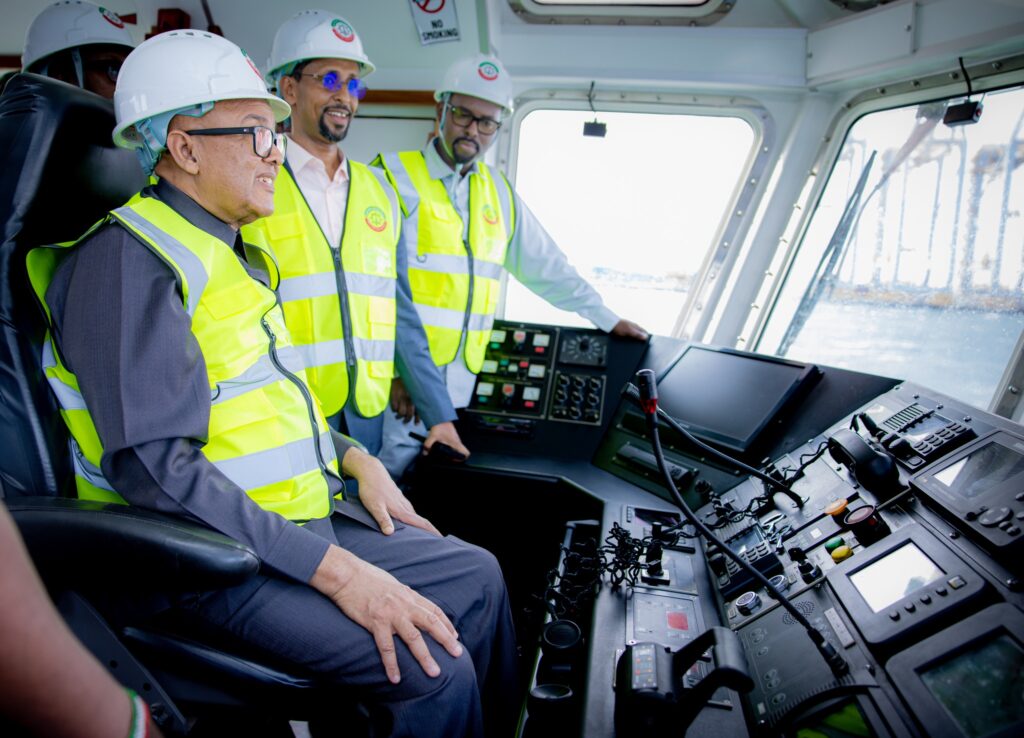
During the trip, Irro toured the international port of Berbera, a strategic hub on the Gulf of Aden, and reviewed ongoing modernization efforts seen as vital to the country’s economic future. The visit came just days after Berbera drew renewed international attention over its potential role as a future U.S. naval base, following Somaliland’s recent offer to Washington as part of its decades-long push for international recognition.
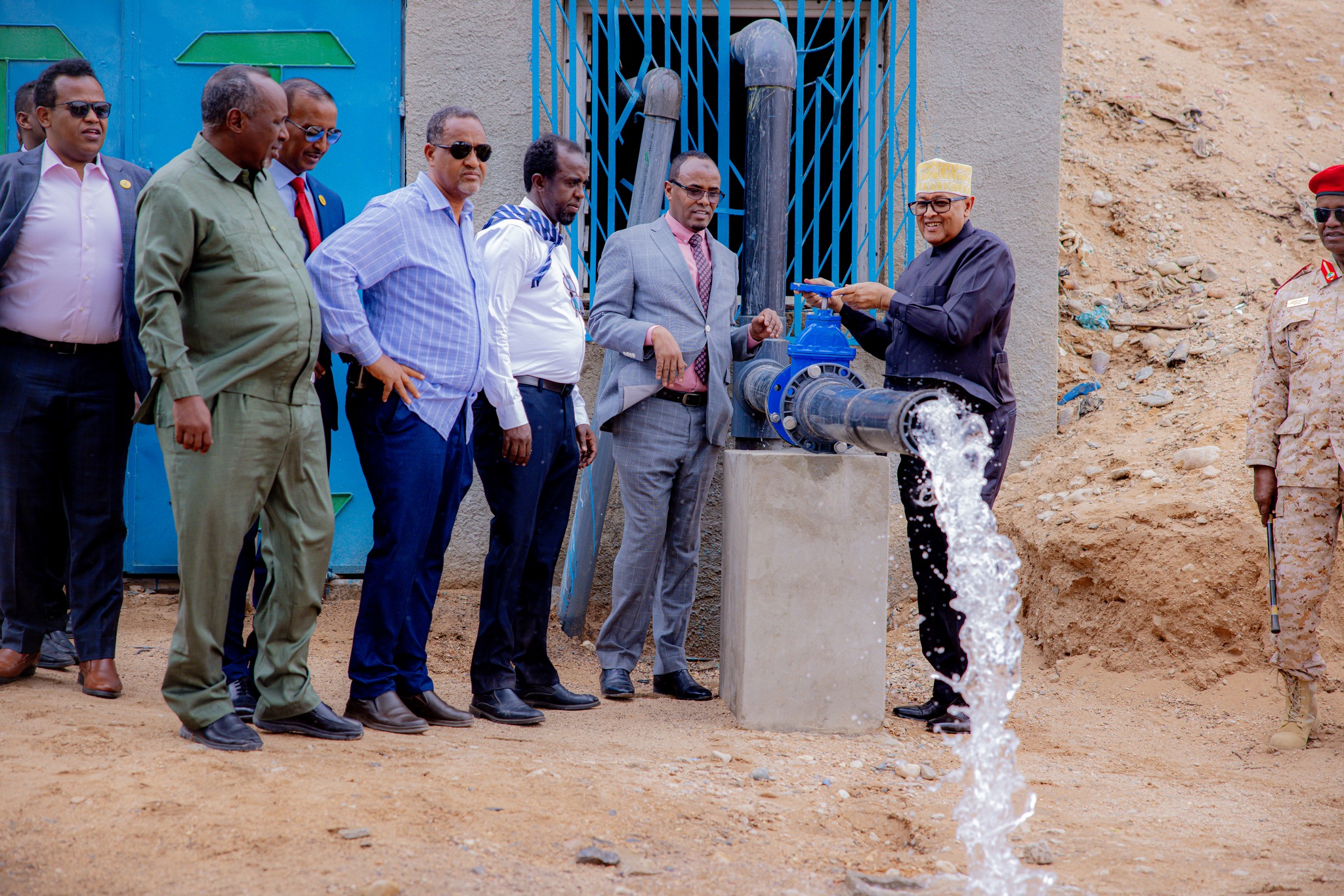
President of the Republic of Somaliland makes an official working visit to Saaxil Region, inaugurating new water infrastructure in Berbera
Diplomatic sources say negotiations between Hargeisa and Washington are edging closer to a recognition deal, with President Irro expected to visit the United States in the coming weeks to advance discussions.
Irro also sought to highlight domestic reforms, noting his government has reduced electricity bills in Berbera by more than 60% in just six months. At a modest teashop, he spoke with residents who thanked him for easing household and business costs. “This price cap has helped us survive,” said a shopkeeper in the city’s commercial quarter.
The president said his administration remained focused on consolidating stability and expanding essential public services such as electricity, water, healthcare and education.
Somaliland gained full independence on 26 June 1960 and was briefly recognized by more than 30 countries, including the United States, China, Egypt, Ethiopia, France, Ghana, Israel, Libya, and the Soviet Union, before being annexed and incorporated into Somalia later that year. During Somalia’s occupation, the regime of Siyaad Barre carried out large-scale atrocities against the Isaaq, the territory’s largest ethnic group.
Since reclaiming independence in 1991, Somaliland’s government has worked to leverage the territory’s relative stability, democratic governance, and strategic coastline to strengthen ties with international partners across the Global South and beyond, at a time of rising geopolitical competition in the Horn of Africa.